In the ever-evolving landscape of modern home appliances, we often find ourselves torn between two desires: pure utility and genuine delight. For decades, the electric kettle was viewed strictly as a tool—a vessel designed solely to expedite the process of boiling water for tea or coffee. However, a new wave of “emotional engineering” has taken over the kitchen scene, transforming cold metal canisters into characters that bring life and color to our daily routines. Leading this playful revolution are the turtle electric kettles. These devices do much more than just heat water; they turn a chore into a ceremony.
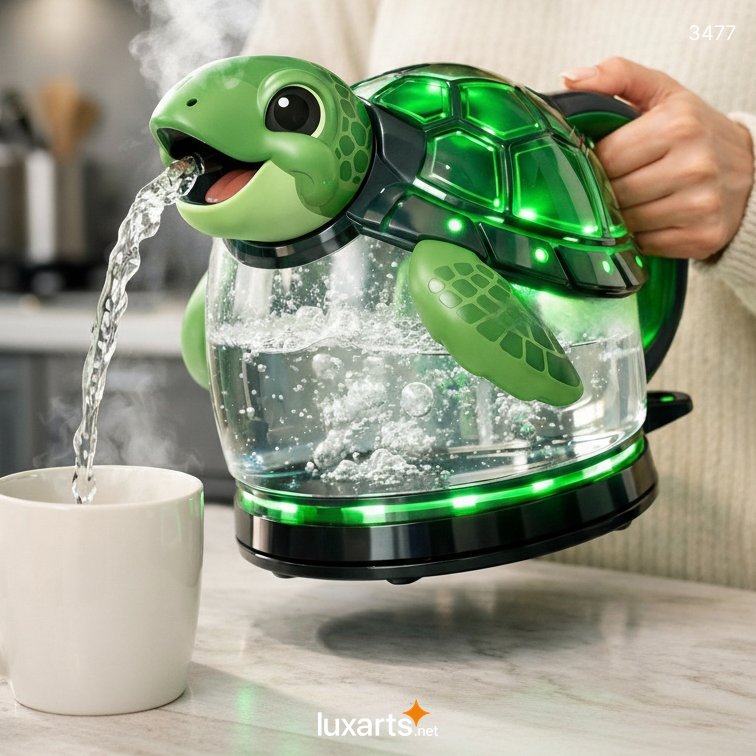
Imagine the sight of clear, sparkling water bubbling vigorously inside a transparent body shaped like a swimming reptile. Now, imagine that when you pour this hot water, it cascades directly from the smiling, open mouth of the turtle. Add to this the enchanting glow of LED lights integrated into the shell and base, and you have more than just a kitchen appliance—you have a centerpiece. This detailed exploration delves into why these quirky, adorable, and functional appliances are capturing hearts worldwide, moving beyond simple description to understand their true essence.
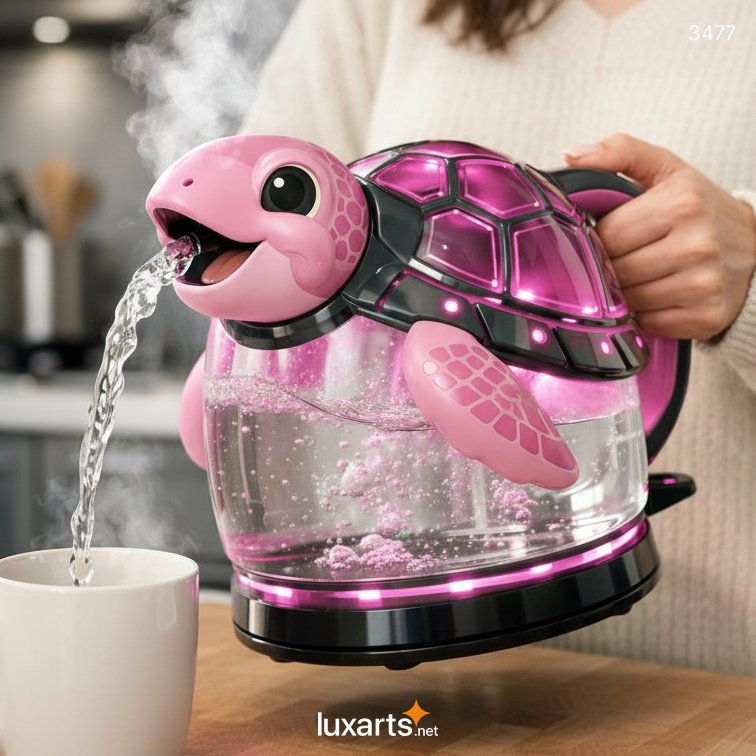
The Concept: Where Nature Meets Technology
There is something primal and comforting about animal shapes in design. In the realm of electronics, we are accustomed to sleek, sterile lines—chrome, black plastic, and brushed steel. The introduction of turtle electric kettles shatters this monotony. The choice of a turtle is particularly poignant. Turtles represent longevity, wisdom, and a steady pace of life—a stark contrast to the frantic, fast-paced lifestyle most people lead. Boiling water, often a rushed task in the morning before work or a late-night caffeine fix, becomes slightly less hurried when guided by such a gentle creature.
The aesthetic success of these kettles lies in the juxtaposition of the organic and the synthetic. The hard plastic of the head and limbs mimics the soft curves of a living animal, while the core remains a high-tech electronic unit. The “carapace” (the top shell) is usually translucent, allowing the internal mechanism and the water level to be seen through a vibrant green, orange, or white exterior. This fusion creates a unique category of product known as “functional decor,” where the utility of the item does not compromise its ability to decorate the room.
Aesthetics of the Shell: Colors and Translucency
One of the most striking aspects of these kettles is the variety of finishes available, ranging from classic sea-green to warm amber and clean pearl white. The transparency of the plastic used for the shell is engineered specifically to catch and diffuse light. When the unit is inactive, the shell looks like polished stone or gemstone. When active, the LEDs within the plastic housing change the entire character of the object.
The translucent quality serves a dual purpose. Aesthetically, it makes the device appear lighter and airier than traditional opaque metal kettles. Practically, it allows the user to see the intensity of the boiling process. Watching bubbles form rapidly against the backdrop of the turtle’s colorful shell creates a mesmerizing visual effect. It turns the water into a performance. The colors aren’t just for show; a red or orange LED ring suggests a sense of warmth and coziness, perfect for a kitchen corner, while a cool blue or green light evokes a calming, spa-like atmosphere. The choice of color palette allows the consumer to select a kettle that matches their specific interior design vibe, whether that is modern minimalist or eclectic and fun.
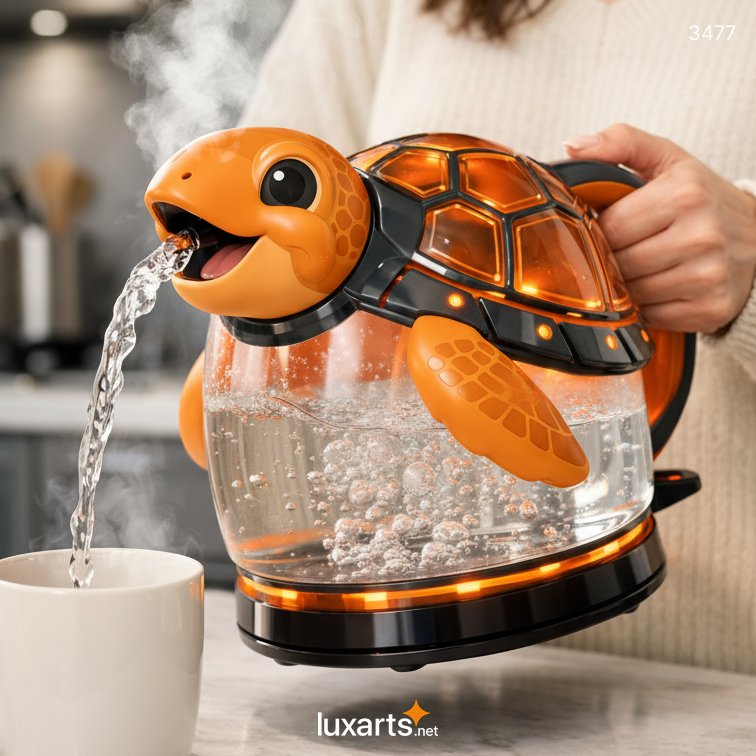
Illuminating the Water: The LED Ring Technology
The term “water boiler with LED light” refers to a specific technical feature that elevates this product above standard novelty items. The presence of LEDs is not merely decorative; it adds a layer of ambient utility to the home environment. The lighting usually wraps around the perimeter of the base and sometimes glows up through the shell itself.
This feature addresses the issue of low-light usability. Many users prepare drinks in the dark of the early morning or late at night. Traditional kettles disappear into the shadows until turned on. With turtle electric kettles, the glowing ring acts as a subtle nightlight, providing just enough illumination to pour water without blinding glare. Furthermore, the blinking lights often indicate status—signaling when the water is heating versus when it has reached a rolling boil. This visual feedback is intuitive and satisfying. It reduces the anxiety of guessing when your tea is ready, replacing waiting time with a light show that announces completion clearly and cheerfully.
The Novelty of the “Mouth” Pouring Mechanism
No discussion of this product would be complete without addressing the most defining characteristic: the pouring mechanism located at the turtle’s mouth. In a typical kettle, the spout is a hidden or protruding ceramic nozzle. Here, the source of the stream is a large, sculpted opening in the creature’s face. This design choice requires significant engineering precision to prevent spillage and ensure hygiene.
The physics of pouring from a hollow mouth is fascinating. The spout is often elongated, extending slightly outward from the lips to control the arc of the water. The result is a smooth, continuous stream that mimics a fountain or a spring. There is a sheer comedic joy in watching hot water gush forth from the gaping maw of a cartoon turtle. It breaks the ice instantly. If you have guests over for tea, they will inevitably ask, “Is that real?” before realizing it is a kettle. It forces a pause in social interaction, encouraging laughter and conversation, making the act of making breakfast a communal event rather than a solitary task.
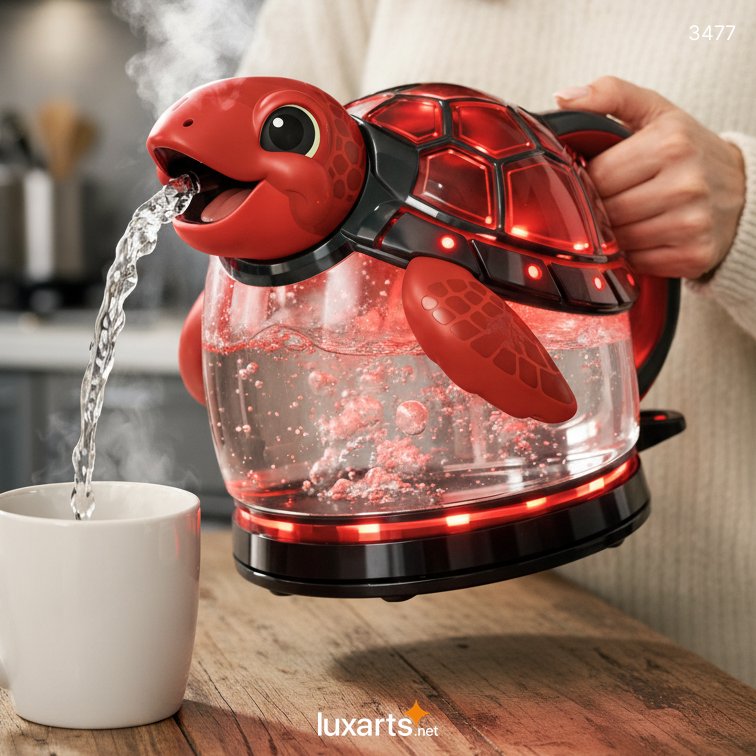
Safety and Durability: More Than Just Cute
While the aesthetics are the first thing that captures attention, the underlying materials ensure that these turtle electric kettles are serious tools. The glass containers used are typically made of high-grade borosilicate glass. This material is chemically tempered to withstand rapid temperature changes, ensuring that the kettle does not crack when cold water meets sudden heat. It is also non-reactive, meaning no metallic taste is transferred to the water, preserving the purity of flavors for delicate green teas or herbal infusions.
Regarding the “funny” design, safety engineers have worked to ensure the plastic head and the glass base remain securely connected during transport. Since water is being poured from the front, the weight distribution of the water must be balanced so the turtle doesn’t tip forward onto the table. The heavy-duty base provides stability, anchoring the lightweight upper structure. Additionally, safety cut-off sensors are embedded within the base, preventing the unit from boiling dry or overheating if left unattended. Thus, the “cute” factor does not come at the expense of safety standards.
Transforming Daily Routines: From Chores to Rituals
Psychologically, the objects we surround ourselves with impact our mood. Waking up to a kitchen that feels cheerful and welcoming can set a positive tone for the rest of the day. Replacing a standard, dull appliance with something whimsical is an act of self-care. It is a reminder that there is playfulness allowed in domestic life.
The experience of using a turtle kettle changes the timeline of your morning. Instead of grabbing a pot, dumping water, and walking away, you engage with the appliance. You watch the steam rise from the glass body. You observe the lights pulsing as it heats. You interact with the “creature” by filling it and watching it pour. This mindful interaction slows down the rush. It transforms the preparation of hot beverages into a ritual. For parents, these kettles serve as excellent conversation pieces for children, who are fascinated by the idea that the toy can drink (pour) water too.
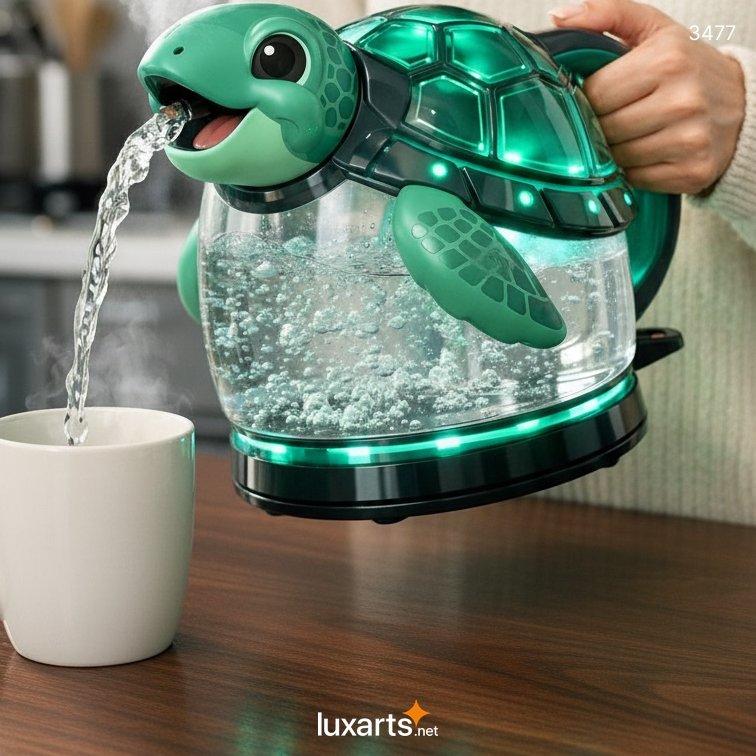
Care and Maintenance for Longevity
To keep these unique appliances functioning perfectly, specific care instructions are necessary compared to standard stainless steel kettles. The glass body is relatively forgiving and should be cleaned with standard non-abrasive detergents to maintain crystal clarity. However, the crevices in the plastic shell—the gaps between the shell segments and the head—should be wiped regularly with a damp cloth to prevent dust accumulation.
Particular attention should be paid to the “mouth” area. While generally sealed well, dried mineral deposits from splashes can accumulate around the lips of the spout. Regular descaling is important to ensure the heating element beneath the glass functions efficiently. Because the electrical contacts are usually at the very bottom base, care must be taken not to submerge the entire unit in water. The beauty of these designs is best preserved by treating them gently, much like any other piece of glassware or collectible. Proper maintenance ensures that the LED lights remain bright and the glass stays clear for years.
Conclusion
The turtle electric kettles represent a shift in how we view our daily environments. They are proof that efficiency and entertainment are not mutually exclusive. By integrating complex heating elements and glass safety features into a design inspired by nature, manufacturers have created a product that sparks joy simply by existing on the counter. The combination of the glowing LED lights, the sturdy borosilicate glass construction, and the utterly hilarious mouth-spout design makes this appliance a standout in the crowded world of kitchenware.
Whether used as a practical tool for a busy morning brew or displayed as a quirky sculpture in a modern apartment, the turtle kettle brings a smile to faces across the globe. It invites us to slow down, look closer at the things we use every day, and perhaps laugh a little bit more along the way. Ultimately, it is a testament to the idea that even the most utilitarian tasks deserve a touch of magic.
NOTE: All images in this post are AI-generated and intended solely for inspiration. These are not real products available for sale, and we do not operate any online store or website for purchases.