
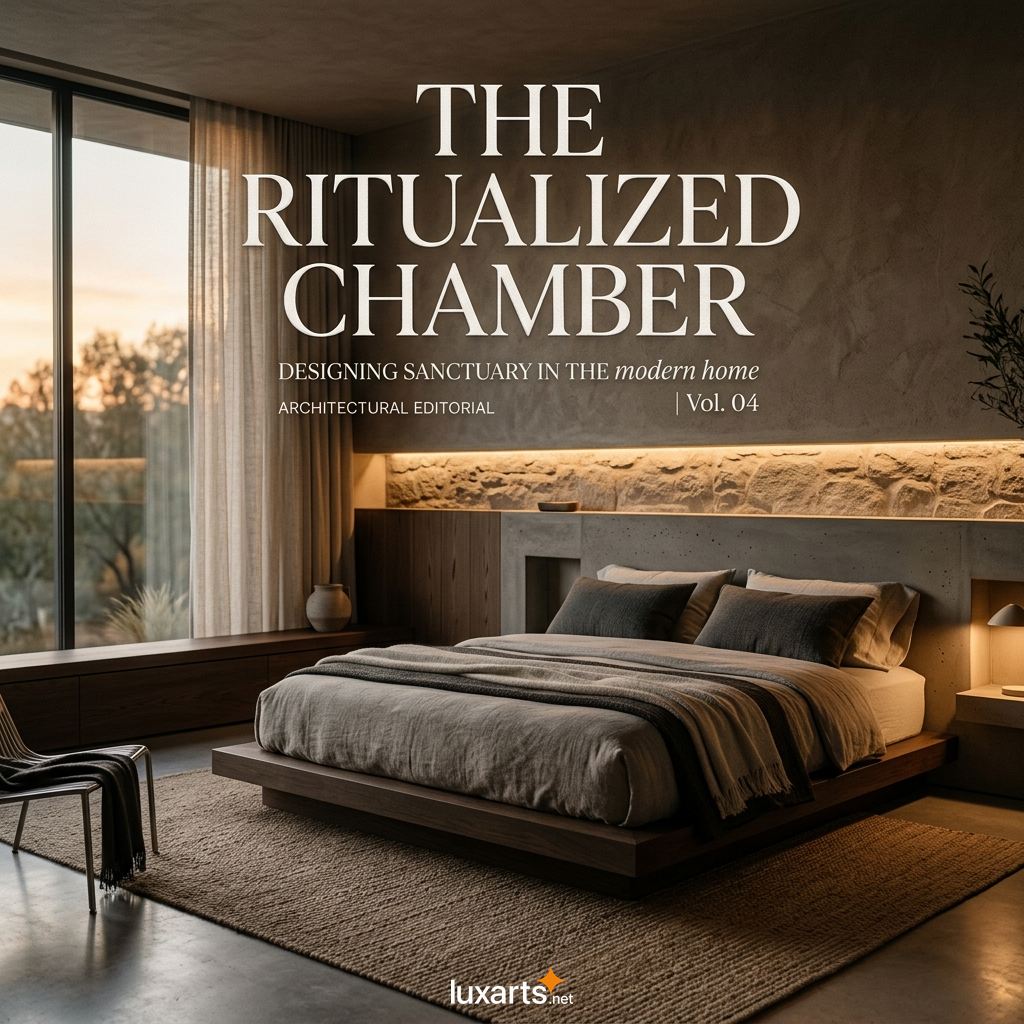
There is a peculiar arrogance in how the bedroom has been discussed for the last two decades. Sleep scientists colonized it first, reducing the room to a set of variables — lux levels, thread counts, ambient decibels — and the wellness industry followed shortly after, dressing that same reduction in linen and eucalyptus. What both camps share is a quiet contempt for the room’s other function, the one no sensor measures. A bedroom is the only interior a person occupies without an audience. It is, by architectural default, the most honest room in any residence. And honesty is precisely the material a gallery is built to hold.
The prevailing instinct treats this honesty as a liability — something to be sedated with blackout linen and swept walls. What follows is an argument for the opposite: that the bedroom, properly considered, is not a biological utility closet but the single most concentrated act of self-portraiture available to a person’s home, and that 2026’s material and technological vocabulary finally gives that portraiture a working method.
The Fallacy of the Sleep-Optimized Box
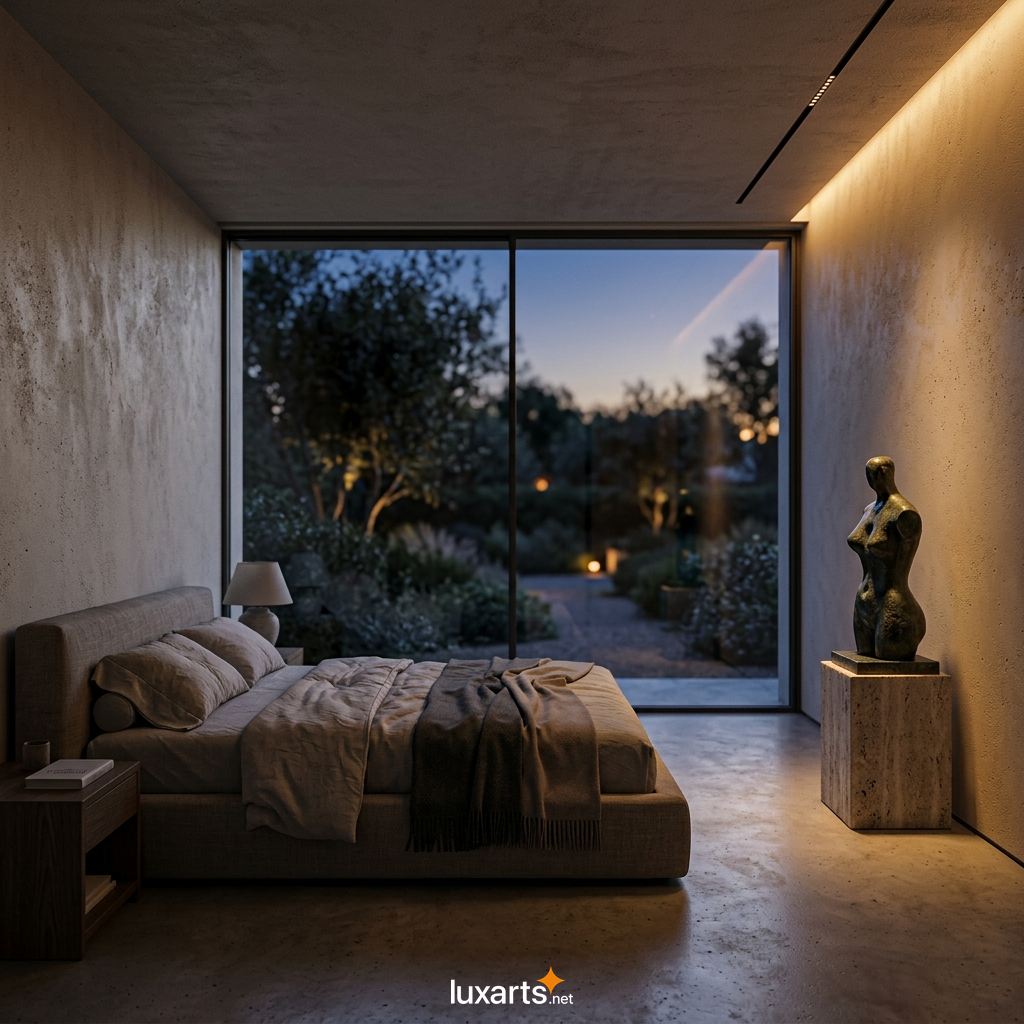
The dominant architectural doctrine of the last sleep-hygiene decade treats visual stimulus as an enemy of rest. Blackout everything. Empty the walls. Let the room disappear so the body can follow. This logic holds for a hospital ward. It is a quiet catastrophe for a room meant to hold an identity.
Neuro-architecture research has complicated the sedative model considerably in recent years. The transitional states — the twenty minutes before sleep, the first groggy minutes of waking — are not neutral cognitive territory. They are when the mind is most porous to its surroundings, least defended by executive function, and most likely to absorb a room’s content as self-content. A person who wakes daily to a blank wall internalizes blankness as a kind of ambient instruction. A person who wakes to a single object chosen with intent internalizes intention instead. The sterile bedroom does not, in practice, produce a rested mind. It produces an unfurnished one.
To curate a bedroom, then, is not decoration in the retail sense. It is closer to editing a memoir — deciding, object by object, what a life is permitted to say about itself in the one room where no guest will ever contradict the telling.
Ambient Intelligence as the Room’s Second Curator
Light as Temporal Sculpture
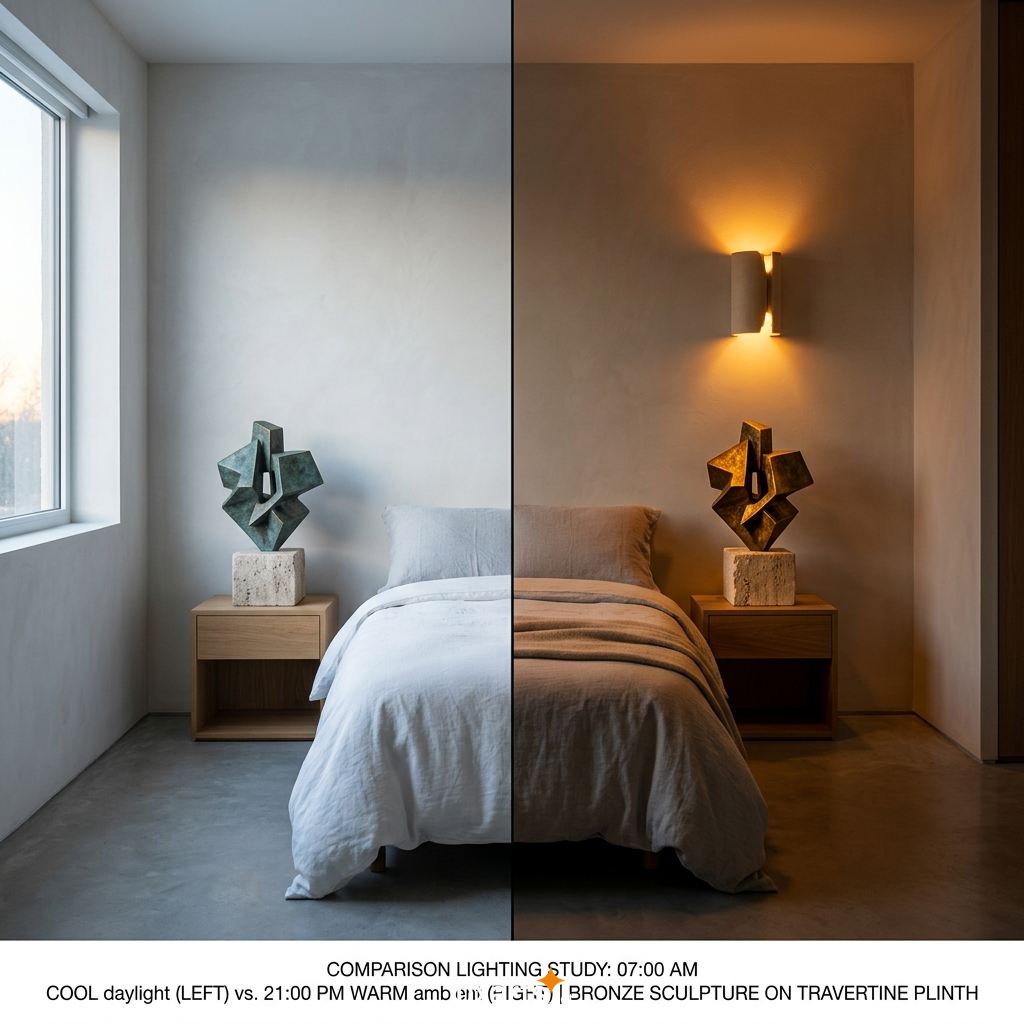
By 2026, static lighting in a seriously considered bedroom reads less as a choice than as an oversight. Ambient intelligence systems — networks of tunable, sensor-linked fixtures — no longer simply dim on a timer. They read the reflectance and pigment load of whatever object they are aimed at and adjust correlated color temperature accordingly, so a single bronze maquette or unglazed ceramic form is rendered differently at seven in the morning, at two in the afternoon, and again at eleven at night — not because the room has changed, but because the relationship between viewer and object has.
This distinction matters more than it first appears to. An artwork lit identically around the clock is a fixture. An artwork whose presentation shifts across the day becomes a companion to the day itself: cooler and more clinical at dawn, when the nervous system needs alertness cues, sliding toward amber and long shadow as evening asks the body to stand down. The lighting system becomes, in effect, the room’s second curator — one that never sleeps, and whose entire function is deciding how a single object is permitted to mean something slightly different four times before midnight.
The Axis of the Recumbent Gaze
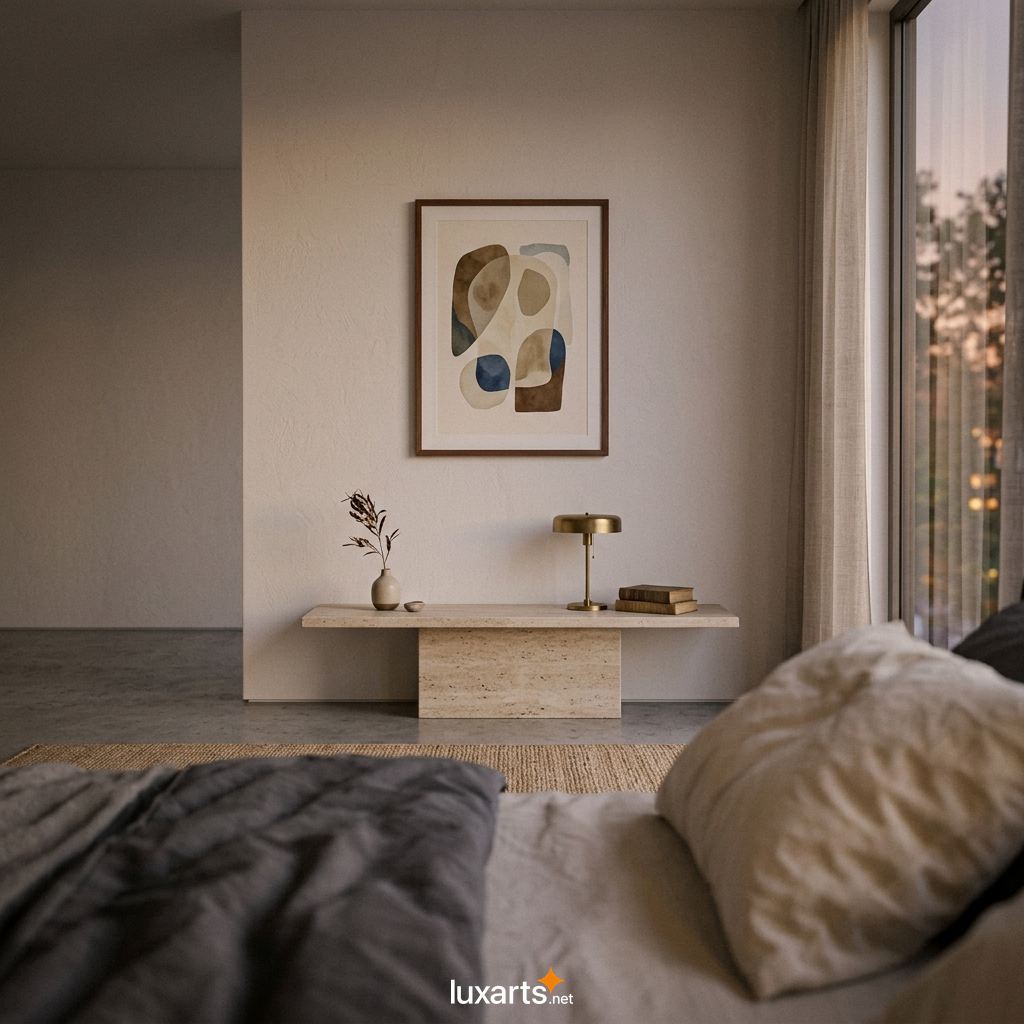
Museum hanging convention calibrates to a standing adult’s eyeline, roughly a meter and a half to a work’s center. That number is functionally meaningless in a bedroom, where the primary viewer spends the majority of their time horizontal. The correct axis for a bedroom’s principal object is not the standing eye but the recumbent one — the specific sightline available from a pillow, at the specific height of that specific bed.
This single recalibration changes almost every downstream decision about placement. A piece hung to museum standard and then viewed from bed is cropped by the headboard, or lost entirely above the sightline — physically present in the room but absent from the actual experience of occupying it. Sophisticated placement instead treats the reclined body as the room’s only fixed audience member and composes the entire wall around that single, immovable seat.
As explored more deeply in The Architecture of Slumber: Redefining the Private Sanctuary for 2026, this question of vantage point cannot be separated from the room’s broader spatial philosophy — a chamber’s geometry is never resolved in isolation from the body’s actual, repeated position within it, and the placement of one sculptural object is often the clearest evidence available of whether that geometry was ever seriously considered in the first place.
Less But Better: The Material Language of Restraint
Porous Surfaces and the Subliminal Register
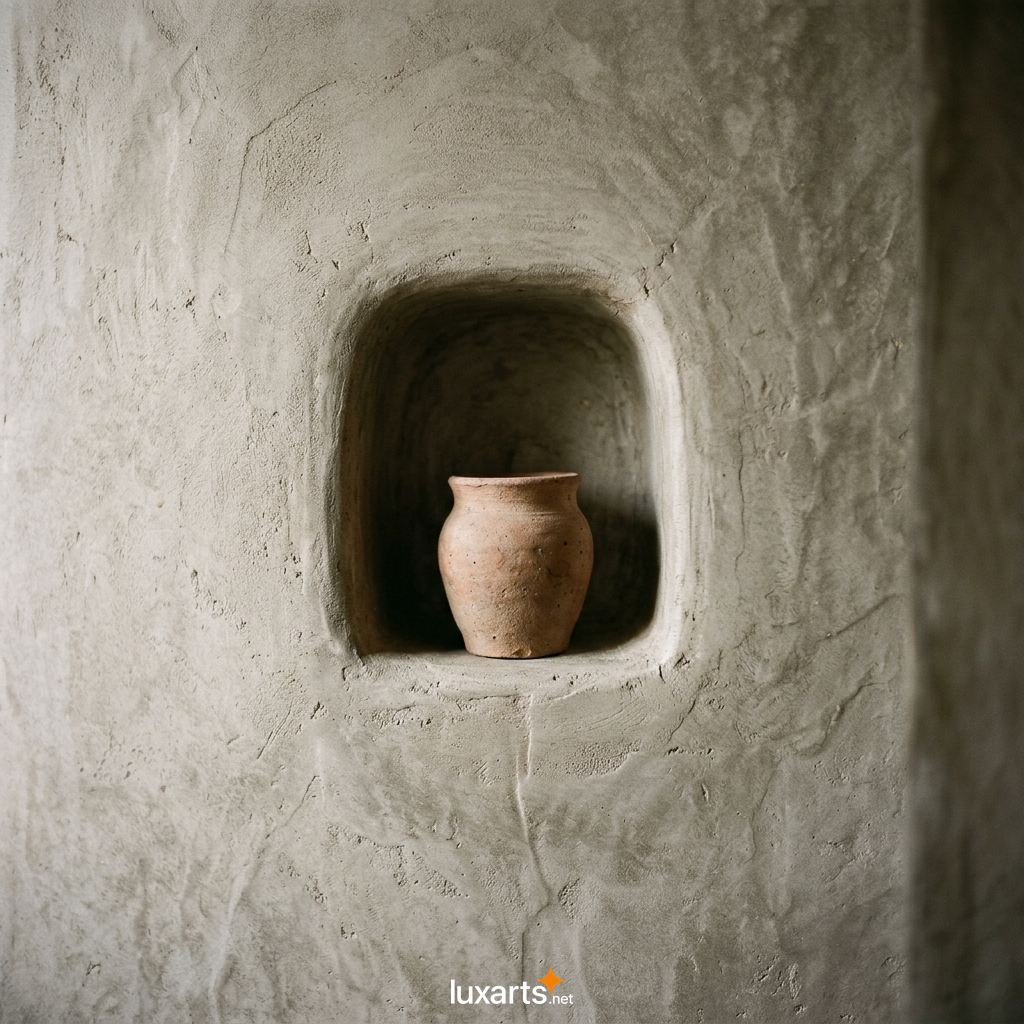
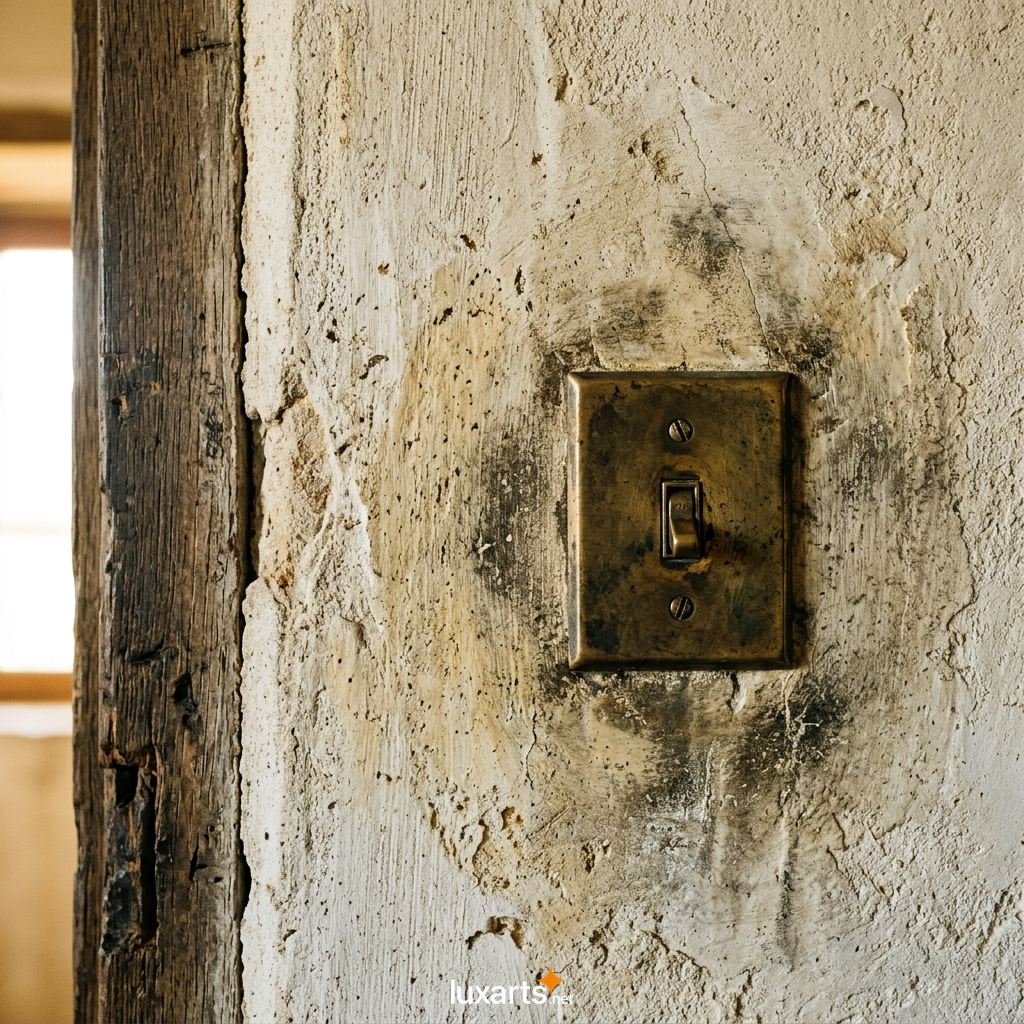
The material logic of a curated bedroom in 2026 draws less from luxury than from restraint, and less from restraint than from a specific set of sensory behaviors. Biomaterial research has matured past novelty status: mycelium-composite panels, pressed marine-bioplastic surfaces, and lime-based tadelakt finishes are now specified for how they behave against skin and sound rather than for sustainability credentials alone — though the two are rarely fully separable in a 2026 specification sheet. What unites them is porosity: a surface that absorbs, softens, and slightly muffles the room around it.
This is not a cosmetic property. A porous wall alters a room’s acoustic signature below the threshold of conscious notice, the way a carpeted gallery feels quieter than a marble one before a visitor has registered why. The effect is subliminal — a hush that reads as calm rather than as a material decision at all. Pair a porous, matte wall with one reflective object — a polished bronze form, a glazed stoneware vessel — and the contrast performs the compositional work that an entire wall of accent pieces would otherwise attempt, and fail, to achieve.
Regenerative materials add a second dimension to this restraint: they are chosen precisely because they are built to visibly age. Limewash develops patina unevenly across years of ambient humidity. Raw travertine darkens at points of repeated contact. In a properly curated chamber, the architecture itself becomes a slow-forming artwork in its own right — its finish never finished, its surface a running record of the years spent inside it, curated as deliberately as anything hung on it.
The Monolithic Bed
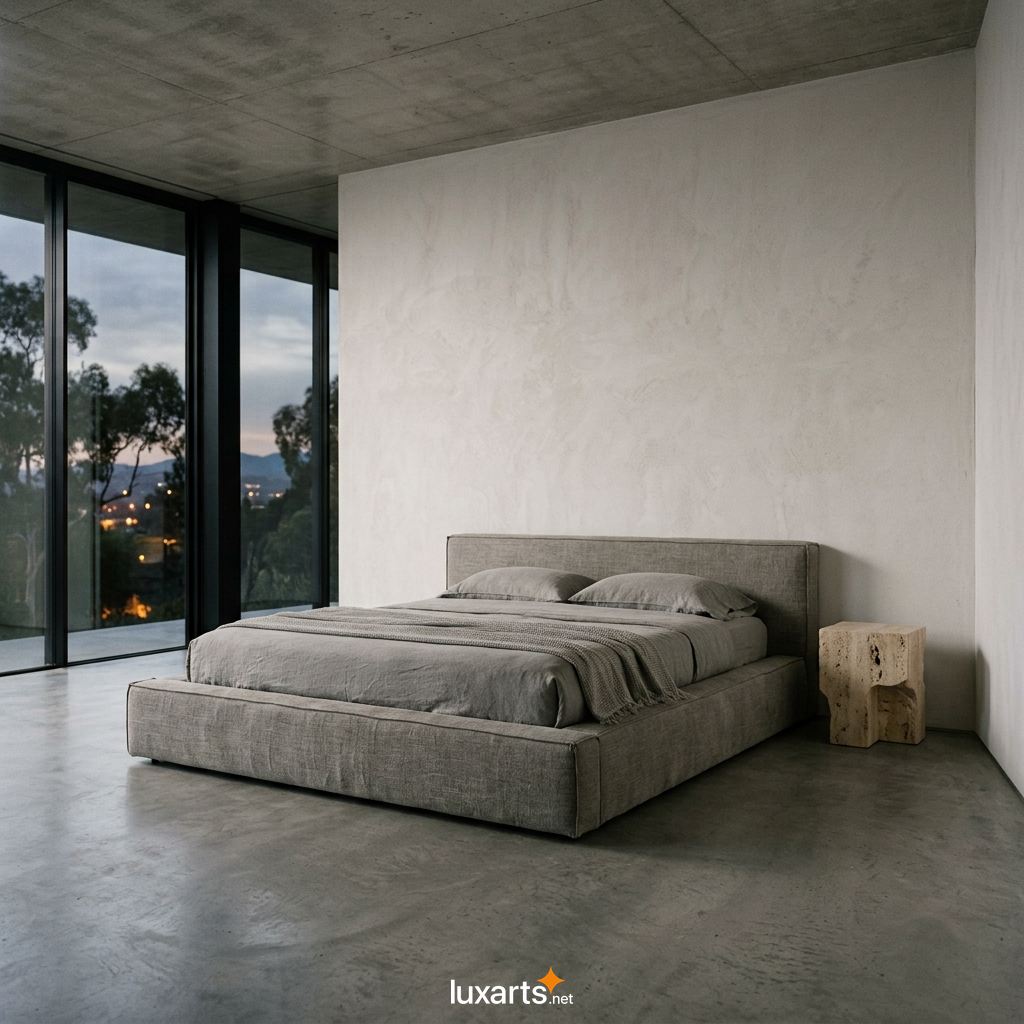
The single most common failure in bedroom composition is treating the bed as one piece of furniture among several equals. In a properly curated chamber, the bed is not furniture at all — it is the room’s only monolithic mass, a low, unornamented volume against which every other object must justify its presence. Nightstands, when they survive the edit, are treated as plinths rather than storage. Anything not load-bearing to the room’s central ritual is removed, not because minimalism photographs well, but because a gallery with twelve competing objects has no focal point, and a bedroom is, functionally, a gallery built for exactly one visitor and one seat.
This is the actual mechanics behind the phrase “curating a life”: not the acquisition of fewer possessions, but the decision of which single object is permitted to hold the room’s meaning, and the disciplined construction of every subsequent choice — light, material, sightline, silence — in service of that one selection.
The Ritual Sequence
A bedroom used with intention is not simply entered; it is arrived at, in sequence — the undressing, the dimming, the specific moment the eye finds the one object the room was built around. Ambient intelligence systems increasingly recognize this sequence rather than merely reacting to occupancy, learning the order in which a resident moves through the room and staging light accordingly, so the transition from waking self to sleeping self is accompanied, scene by scene, by a room that behaves as though it already knows where its occupant stands in that arc.
As the pillar analysis in The Architecture of Slumber: Redefining the Private Sanctuary for 2026 argues, the sanctuary quality of a bedroom was never really about isolation from the world so much as the construction of a private narrative sequence — and the ritualized chamber, with its single curated object and its light moving in step with the body, is simply that narrative made architectural.
Where This Goes Next
The current trajectory suggests the bedroom-as-gallery will not remain a private, ad hoc practice for much longer. Interior architecture studios are already fielding requests specifically for sleeping-chamber curation as a distinct engagement from general residential design — a discipline closer to private museum consulting than to decorating, concerned with sightlines, object rotation, and the psychological weight carried by a single well-placed form.
The more consequential shift is what happens once ambient intelligence stops merely lighting the object and starts selecting it. Systems already capable of reading a resident’s circadian and emotional data are a short technical step from suggesting which piece, from a small rotating collection, should occupy the room’s one plinth this particular month — an algorithmic co-curator, quietly editing a life it was never formally asked to interpret. Whether that arrangement still counts as curation, or has quietly become its opposite, is likely to be one of the more contested questions in residential design before this decade closes.
NOTE: All images in this post are AI-generated and intended solely for inspiration. These are not real products available for sale, and we do not operate any online store or website for purchases.