

There is a quiet failure hiding inside most of the rooms we call sanctuaries. Walk into almost any bedroom marketed as “biophilic” and you will find the same gesture repeated: a fiddle-leaf fig in the corner, a scattering of potted succulents on a windowsill, a single trailing pothos draped over a shelf. The plant, in this framing, is treated as an ornament — a green object placed inside a room, rather than a participant in the room’s own metabolism. This is the paradox at the center of biophilic design as it is still practiced by most residential architects: we have decorated with nature without ever actually admitting nature into the architecture itself.
The distinction matters more than it sounds. A potted plant is inert set dressing. It does not regulate humidity at scale, it does not respond to the circadian rhythm of the person sleeping six feet away, and it certainly does not filter the air a body breathes across eight hours of unconscious vulnerability. What it offers is visual reassurance — the appearance of wellness rather than its substance. For a segment of the market now demanding demonstrable performance from every material choice, that gap between appearance and function has become untenable.
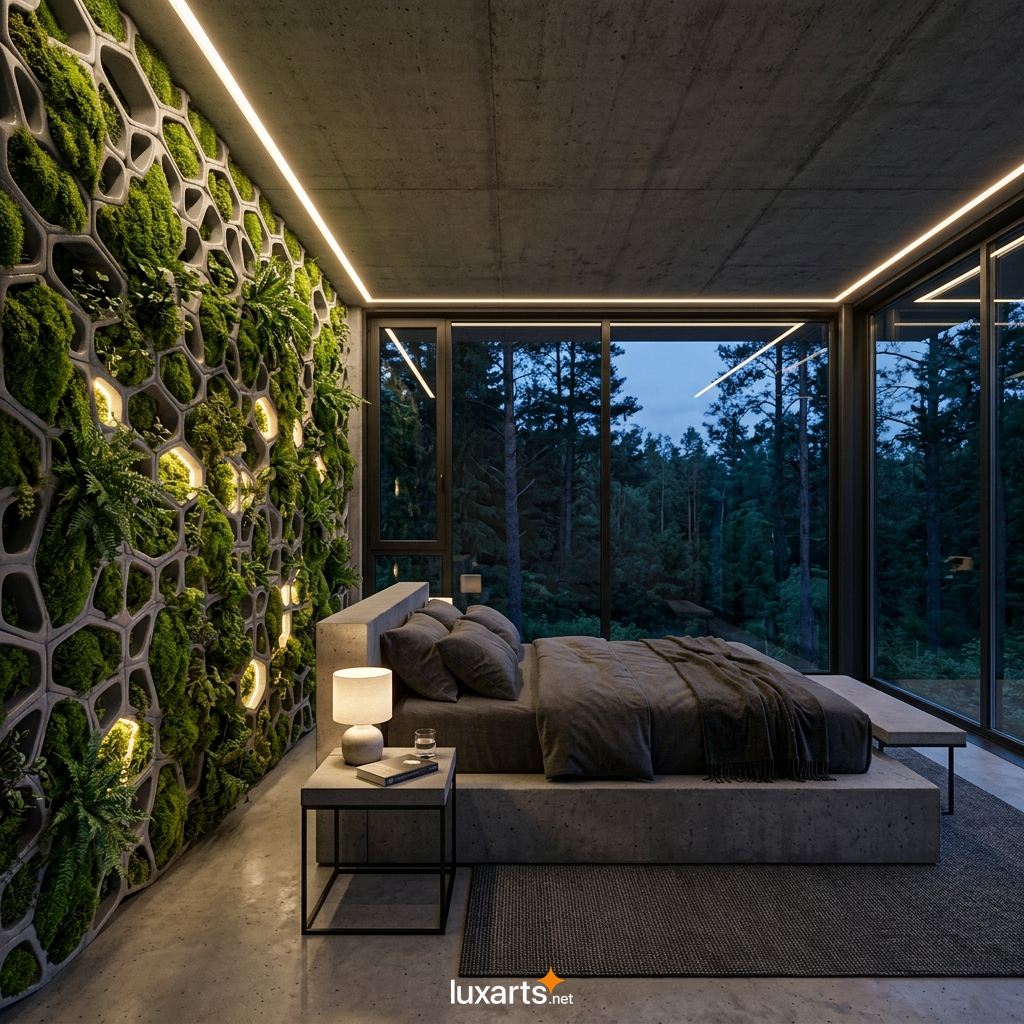
The Bedroom as Organism, Not Container
Neuro-architecture research over the past several years has converged on an uncomfortable finding for traditional design: the nervous system does not respond to nature as an image. It responds to nature as a set of dynamic, low-grade environmental signals — subtle fluctuations in humidity, minute shifts in airflow, the almost imperceptible movement of leaves under convection currents. A photograph of a forest does not lower cortisol. A room that behaves, even faintly, like a forest does.
This is the premise behind what a small cohort of architects are now calling regenerative bedchamber design: the bedroom conceived not as a container that holds a bed, but as a living system with its own internal metabolism. The wall stops being a surface and becomes a membrane. The air stops being a static volume and becomes a circulating medium, filtered continuously by biological rather than mechanical means.

As explored at greater depth in The Architecture of Slumber: Redefining the Private Sanctuary for 2026, the philosophy of spatial design for 2026 has shifted decisively away from the bedroom as a passive backdrop for rest and toward the bedroom as an active regulator of the body’s recovery state. The living wall is where that philosophy becomes structural rather than rhetorical.
Self-Circulating Vegetal Membranes
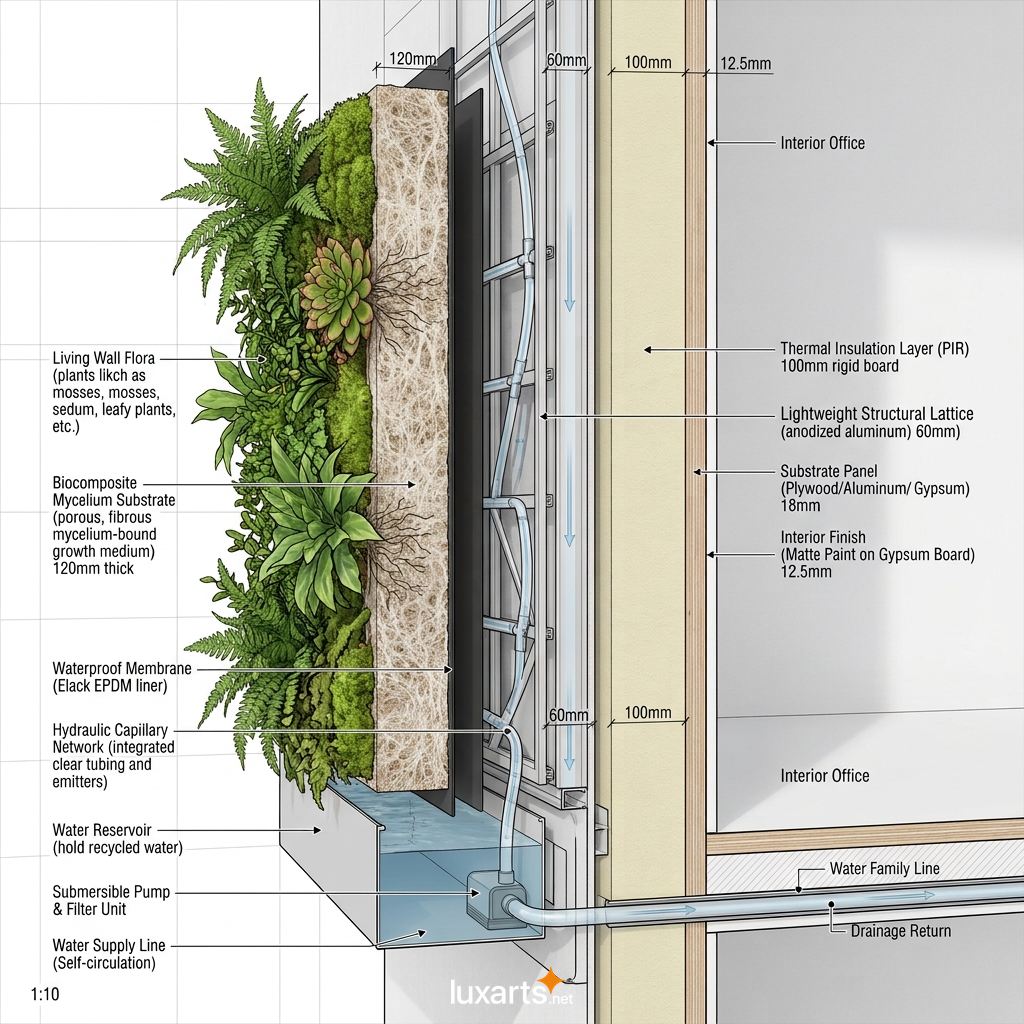
The technical core of this approach is the self-circulating living wall — a system fundamentally different from the vertical gardens that proliferated in hospitality design a decade ago. Those earlier systems required irrigation lines, drainage trays, and near-constant maintenance intervention, which is precisely why they rarely survived past a project’s opening photography. The 2026 generation of living wall biomaterials operates on a closed-loop hydraulic principle: a substrate layer of mycelium-bound aggregate holds moisture at a near-constant rate, releasing it through capillary action calibrated to ambient humidity rather than a timer.
The result is a wall that behaves less like furniture and more like skin — porous, faintly permeable, responsive to the room’s own atmospheric state. Architecturally, this changes the wall’s spatial function entirely. It is no longer a boundary that separates interior from exterior; it is a gradient, a tactile threshold between built structure and biological process.
Biological Filtration Embedded in the Envelope
The second structural shift is the integration of air filtration directly into the wall assembly, rather than through a freestanding mechanical unit. Certain moss and lichen species — selected specifically for their capacity to metabolize volatile organic compounds — are now cultivated within the wall cavity itself, positioned behind a micro-perforated stone or clay facing that allows airflow without exposing the biological layer to direct disturbance.
This is a meaningful departure from the HEPA-and-carbon logic of conventional purifiers, which treat air quality as a mechanical problem to be solved with replaceable cartridges. A biologically filtered envelope treats air quality as a continuous exchange between structure and organism — the wall inhales the room’s exhaled air, in a sense, and metabolizes it, rather than trapping it in a filter destined for landfill. For the architect, the design implication is that the wall’s thickness and cavity depth must now be engineered around biological tolerances — light penetration, airflow rate, humidity ceiling — in the same way a curtain wall is engineered around thermal bridging.
Ambient Intelligence Without Visible Technology
The most sophisticated bedchambers being commissioned this year share a common design discipline: the near-total absence of visible technology. Sensor arrays, once mounted as discrete plastic modules on nightstands, have been redistributed into the architecture itself — embedded beneath stone flooring, laminated within glass panels, woven into the substrate of the living wall.
These invisible sensors track a narrow but meaningful set of biometric signals — skin temperature, respiratory rate, sleep-stage transitions — and feed that data into a room-level ambient intelligence system that adjusts the living wall’s humidity release, the room’s air circulation rate, and even the wavelength of ambient lighting in real time. The bedroom, in effect, becomes a slow-reacting organism tuned to the specific physiology of the person sleeping inside it, rather than a fixed environment calibrated once and left unchanged.
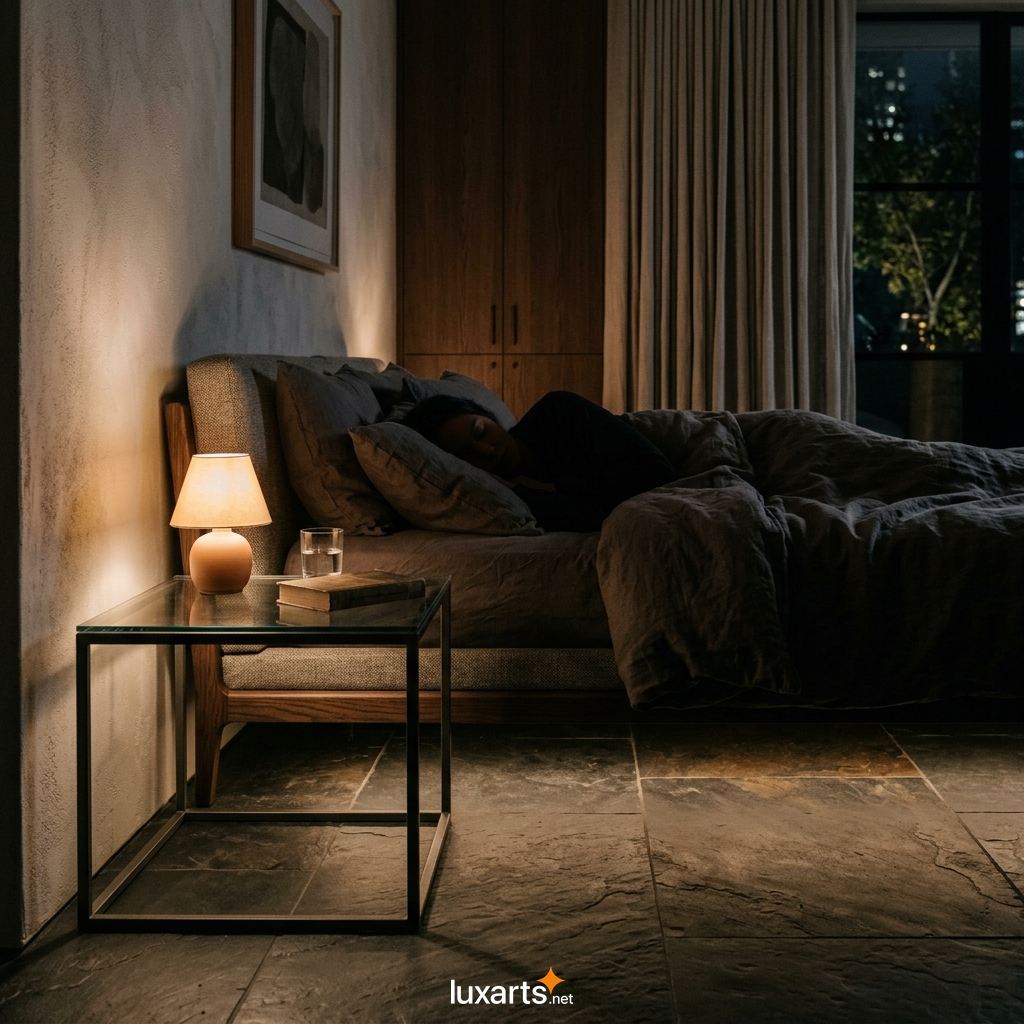
Crucially, this is ambient intelligence in its truest sense — intelligence that recedes from perception rather than announcing itself. A screen, a blinking LED, a voice assistant waiting for a command: these are the opposite of what regenerative bedchamber design is attempting to achieve. The technology’s success is measured by its invisibility. As discussed in The Architecture of Slumber: Redefining the Private Sanctuary for 2026, the private sanctuary of 2026 is defined less by what it displays and more by what it withholds — an architecture of restraint that trusts the body’s own signals over explicit interfaces.
Humidity as Circadian Instrument
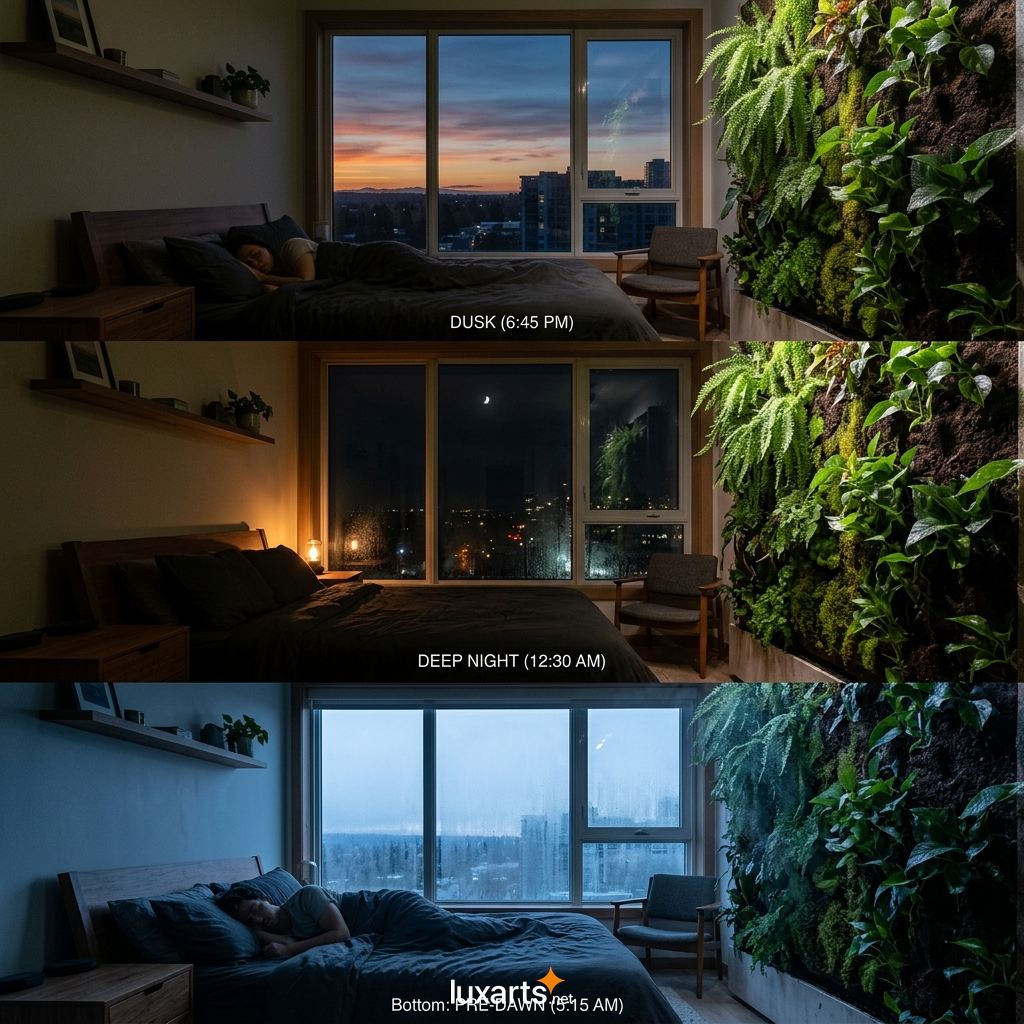
Perhaps the most sculptural application of this system is the deliberate modulation of humidity across the sleep cycle. Human core temperature naturally drops in the hours before deep sleep and rises again toward morning; a static bedroom humidity level works against this rhythm rather than with it. Living wall systems calibrated to circadian data can now shift moisture release incrementally through the night — slightly drier during the initial descent into sleep, slightly more humid during the deepest recovery phase, tapering again before waking.
This is not a comfort feature in the conventional sense. It is closer to what several architects working in this space have started calling atmospheric choreography — the treatment of humidity, temperature, and light as a single orchestrated instrument rather than three separate mechanical systems. The living wall, positioned as both filter and humidifier, becomes the physical mechanism through which that choreography is executed.
Re-Wilding the Domestic Interior
What unites these systems — the vegetal membrane, the embedded filtration, the invisible sensor network — is a broader cultural project that extends well past the bedroom: the re-wilding of the domestic interior. For most of the twentieth century, architecture treated wildness as something to be excluded, sealed out by the building envelope. The regenerative bedchamber inverts that logic, treating a controlled degree of biological unpredictability as essential to the room’s function rather than a threat to it.
This is a philosophically demanding position for a client to accept. A living wall will never be perfectly uniform. Moss grows unevenly. Humidity fluctuates within a range rather than holding a fixed number. For a design culture trained on the flawless render, this variability can read as a flaw. But for the architect willing to make the argument, that same variability is the entire point — it is the evidence that the room is alive, and that its atmosphere is being generated rather than simulated.
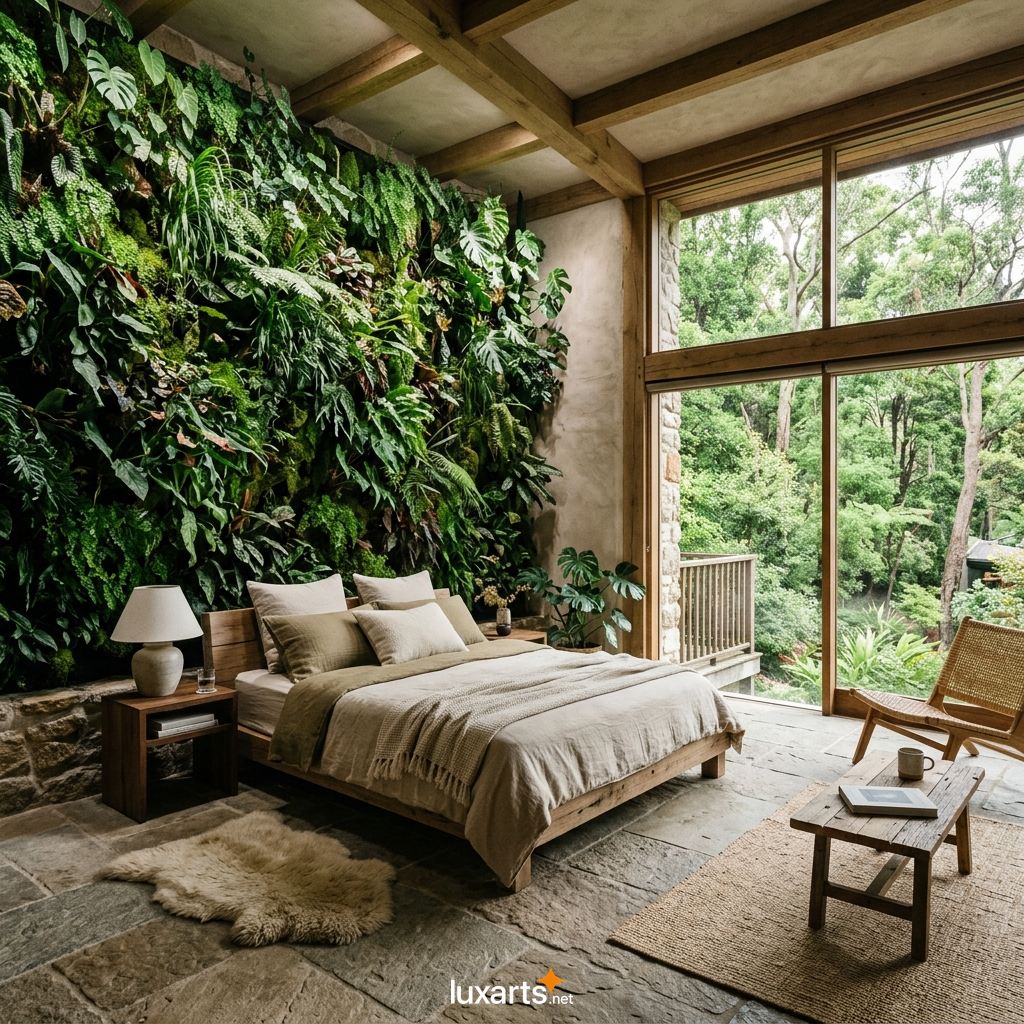
The material vocabulary reinforces this argument. Where a decorative approach reaches for polish — lacquer, mirror, high-gloss stone — the regenerative bedchamber favors surfaces that are porous, tactile, and faintly imperfect: raw mycelium composite, unsealed clay, biomaterial panels that visibly age and darken with humidity exposure over years of use. The room is not designed to look permanent. It is designed to look like it is participating in time, the same way a forest floor visibly changes across a season.
The bed itself, increasingly, follows this same logic. Platforms are being fabricated from compressed biomaterial rather than finished hardwood, chosen specifically because the material’s surface will shift in texture and tone as it absorbs the humidity cycles generated by the adjacent living wall — the furniture, in other words, is designed to be metabolically connected to the room around it rather than isolated from it.
Where This Leads
The next phase of this trajectory will likely dissolve the remaining distinction between wall and organism altogether. Several material research groups are already prototyping structural panels grown directly from mycelium in situ, rather than cultivated separately and installed as a finished assembly — meaning the wall of a future bedchamber may not be built so much as grown, on-site, around a scaffold that eventually becomes irrelevant to its own structure. When that threshold is crossed, the architect’s role shifts from specifying materials to cultivating conditions, closer to horticulture than to conventional construction.
What will not change is the underlying premise now taking hold among the clients commissioning these spaces: that a bedroom’s value is no longer measured by its square footage or its finishes, but by its capacity to actively participate in the recovery of the body that sleeps inside it. The potted plant in the corner was always a compromise — a symbol standing in for a relationship the architecture itself was not yet capable of supporting. The regenerative bedchamber is what that relationship looks like once the architecture finally catches up.
NOTE: All images in this post are AI-generated and intended solely for inspiration. These are not real products available for sale, and we do not operate any online store or website for purchases.