
The Tactile Imperative: Bio-Luxe Textiles and the Regenerative Turn in Minimalist Design
For two decades, the word “minimalism” has been misapplied to describe a condition of absence — white walls, resin floors, powder-coated aluminum joinery, the studied blankness of a room engineered to photograph well and reveal nothing. This was never minimalism in its original, disciplined sense. It was reduction without honesty: a synthetic austerity that mistook the removal of material information for the removal of material excess. The architects and monks who first articulated minimalist thought were not interested in erasing texture; they were interested in materials that told the truth about themselves — timber that showed its grain, plaster that showed the hand that troweled it, stone that carried the memory of the quarry. What passed for minimalism in the 2010s did the opposite. It built rooms out of materials with no biography.
By 2026, that inheritance has become a liability rather than an aesthetic. A growing body of neuro-architecture research links prolonged exposure to inert, non-porous surfaces — acrylics, laminates, fully synthetic composites — to measurable elevations in cortisol and a flattening of what researchers term “sensory engagement,” the low-level tactile and thermal feedback a body registers from a room even when the mind isn’t consciously attending to it. The room reads as sterile because it is sterile: nothing in it exchanges moisture, light, or warmth with the person occupying it. This is the paradox that regenerative material science is now dismantling — the discovery that true material reduction and biological richness are not opposites. They were only ever separated by a manufacturing bottleneck.
The Sterility Problem: Why Synthetic Minimalism Failed the Body
Every surface in a room performs a slow, continuous negotiation with the person inside it. Porous, biologically active materials absorb ambient humidity and release it gradually, moderating the micro-climate around a body at rest. They diffuse light rather than reflecting it in a single hard plane. They accumulate a patina — a visible, tactile record of use — that synthetic composites are engineered specifically to resist. Resin and high-gloss laminate were prized for exactly the qualities that now read as psychologically flat: uniformity, permanence, an imperviousness to time. A monolithic slab of resin is not restful. It is merely inert.
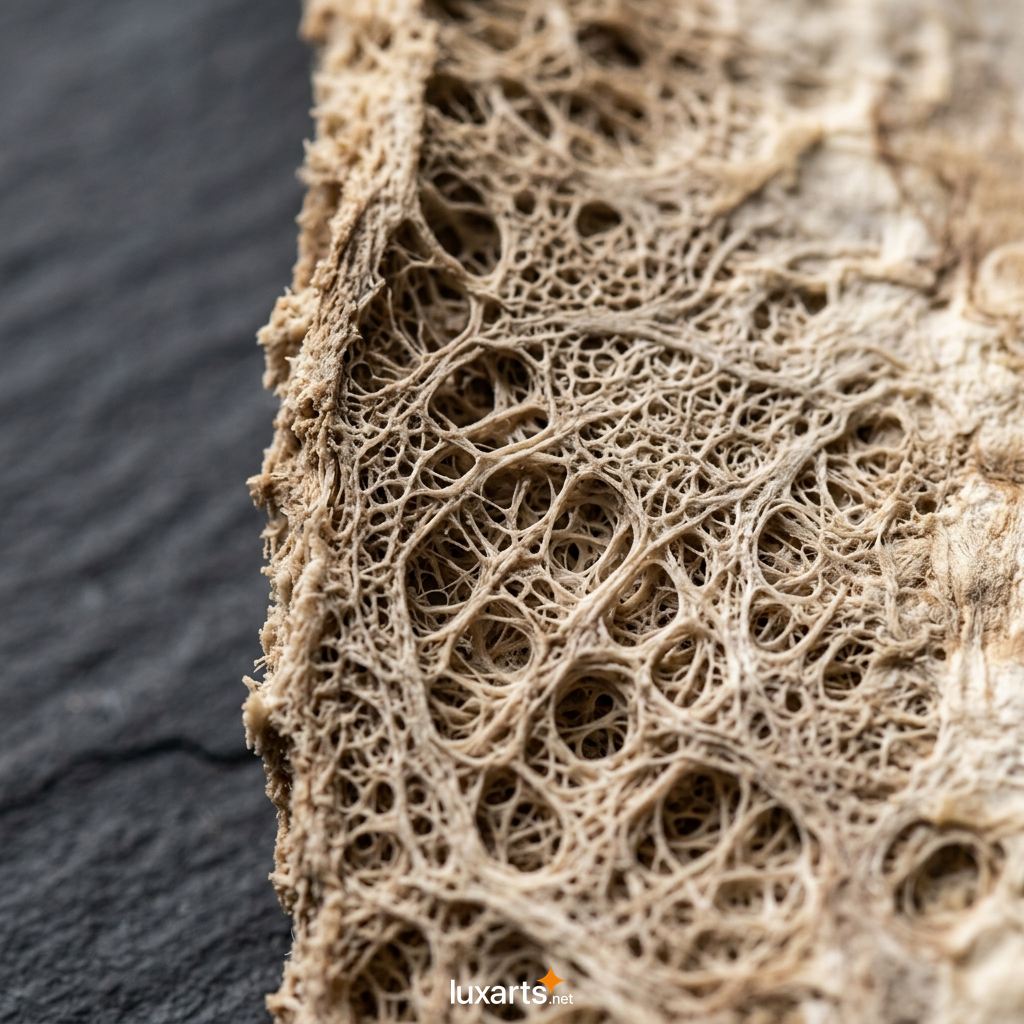
The regenerative material now correcting this is not a single product but a category: biofabricated leather grown from mycelium — the vegetative root structure of fungi — cultivated on agricultural substrate and compressed into a hide-like sheet through controlled dehydration rather than tanning. What distinguishes mycelium leather from its plastic-based “vegan leather” predecessors is that it is not a plastic film printed with a leather-like texture; it is a genuine cellular material, and it behaves like one. It absorbs oils from skin contact, softens unevenly at pressure points, and develops the kind of asymmetrical wear pattern that collectors of full-grain hide have always prized in traditional leather — except grown, not slaughtered, in a matter of weeks rather than years.
Toward a New Minimalism: The Regenerative Material Palette
Mycelium as Structural Skin
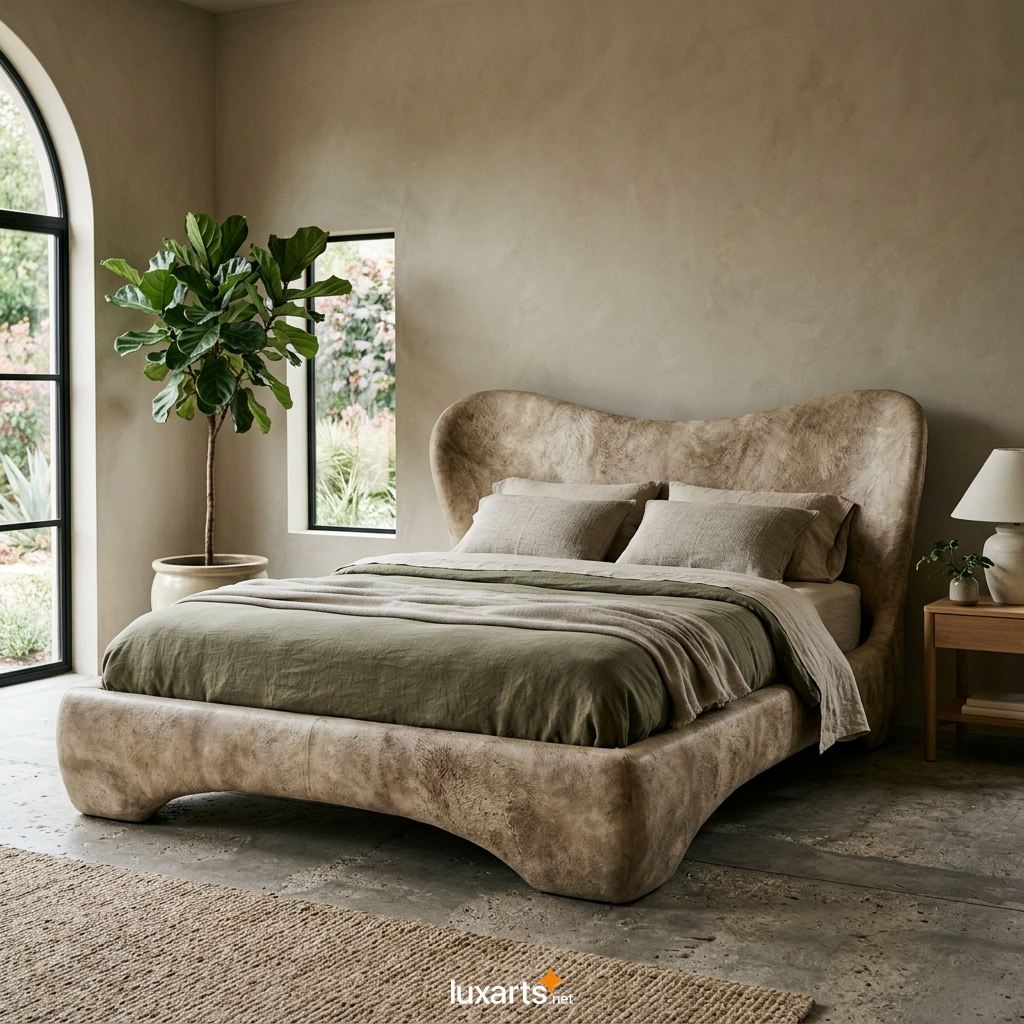
Where mycelium leather was once confined to accessories and small upholstery runs, 2026 fabrication has scaled it to architectural cladding — panels large enough to skin an entire wall, load-bearing enough in composite form to serve as a semi-structural interior partition. The material’s cellular density can be tuned during cultivation, meaning a single supplier can now produce a gradient panel: denser and more leather-like at a headboard or seating surface, more open and acoustically absorptive where it transitions into a ceiling plane. This is a material that changes its own performance across a single continuous surface without a seam or a substrate swap — something no synthetic composite can replicate without visible material transition.
Biofabricated Protein Silk
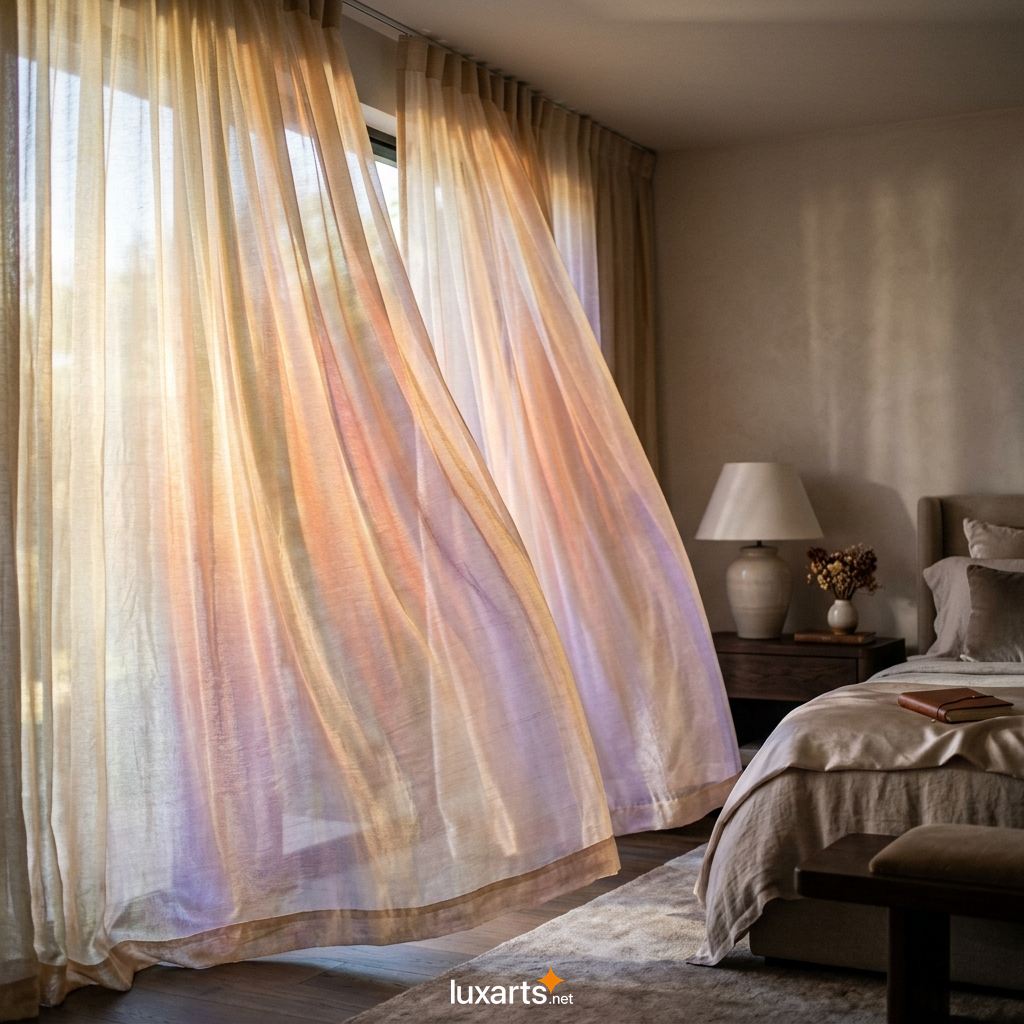
Parallel to mycelium’s rise is the maturation of recombinant protein silk — fiber spun not from silkworms but from yeast or bacterial cultures engineered to express spider-silk proteins, then wet-spun into filament at industrial scale. The result carries silk’s tensile strength and drape without the sericulture supply chain, and, more relevant to interior application, without silk’s notorious sensitivity to humidity and UV degradation. Protein silk textiles hold a dye differently than mulberry silk — the color sits within the fiber’s molecular structure rather than coating it, producing a depth of hue under changing light that upholsterers describe as “atmospheric” rather than simply saturated. A drapery panel in protein silk will shift in perceived color between morning and evening light in a way flat-dyed synthetic fiber cannot, because the fiber itself is optically active.
Bio-Insulation and the Breathing Envelope
The least visible but most consequential of the three materials is bio-insulation — panels of compressed mycelium or algae-derived biopolymer foam used within wall cavities in place of mineral wool or spray foam. These materials are hygroscopic: they absorb and release atmospheric moisture in direct response to the room’s humidity, functioning as a passive climate buffer rather than a static barrier. A wall insulated this way does not merely block heat transfer; it participates in the room’s thermal rhythm across a day, releasing stored moisture as temperatures rise and absorbing it as they fall. Occupants describe the effect less as a measurable temperature difference and more as an absence of the “dead air” quality typical of sealed synthetic envelopes — a subliminal cue that the room is, in some limited sense, alive.
The Tactile Imperative
Among collectors and architects working at the upper end of residential design in 2026, hand contact has become the primary criterion by which a material is judged — ahead of provenance, ahead even of sustainability credentials, though the two increasingly overlap. This is what might be called the tactile imperative: the expectation, now nearly universal among discerning clients, that any surface within reach of the hand must reward touch with information — grain, give, temperature, texture — rather than return a flat, uniform nothing. A palm resting on a mycelium-clad headboard should be able to locate, without looking, the denser weave near the pillow and the more open lattice near the frame. This is not decorative detail. It is the room communicating with the body through a channel that predates and bypasses conscious aesthetic judgment.
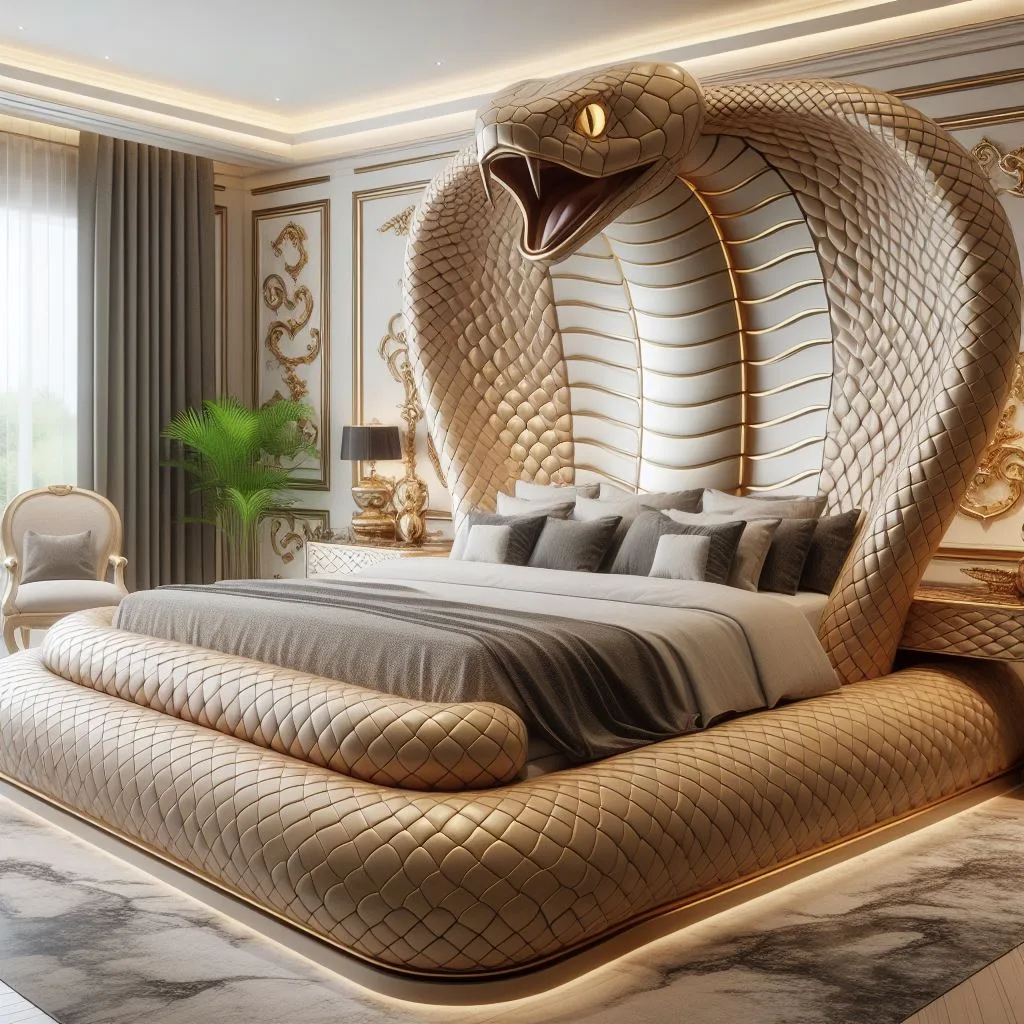
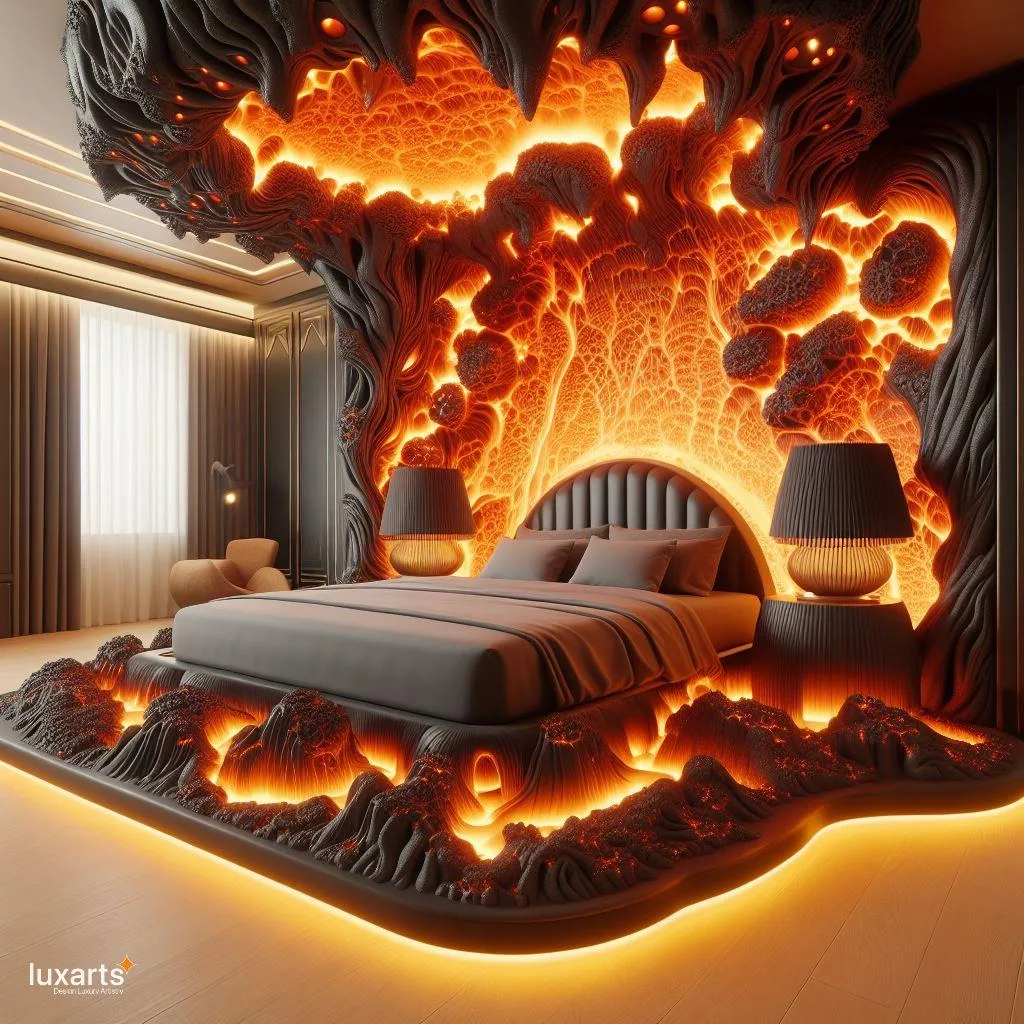
As already explored at length in The Architecture of Slumber: Redefining the Private Sanctuary for 2026], the sanctuary spaces of the contemporary residence are increasingly designed around this pre-conscious tactile register rather than around visual composition alone. The bedroom, in particular, functions as the proving ground for regenerative textiles precisely because it is the room where the body spends the most uninterrupted hours in direct material contact — and where the failures of synthetic minimalism, its sensory flatness, are most acutely felt as a disruption to rest rather than merely an aesthetic disappointment.
Material Intelligence and the Ambient Response
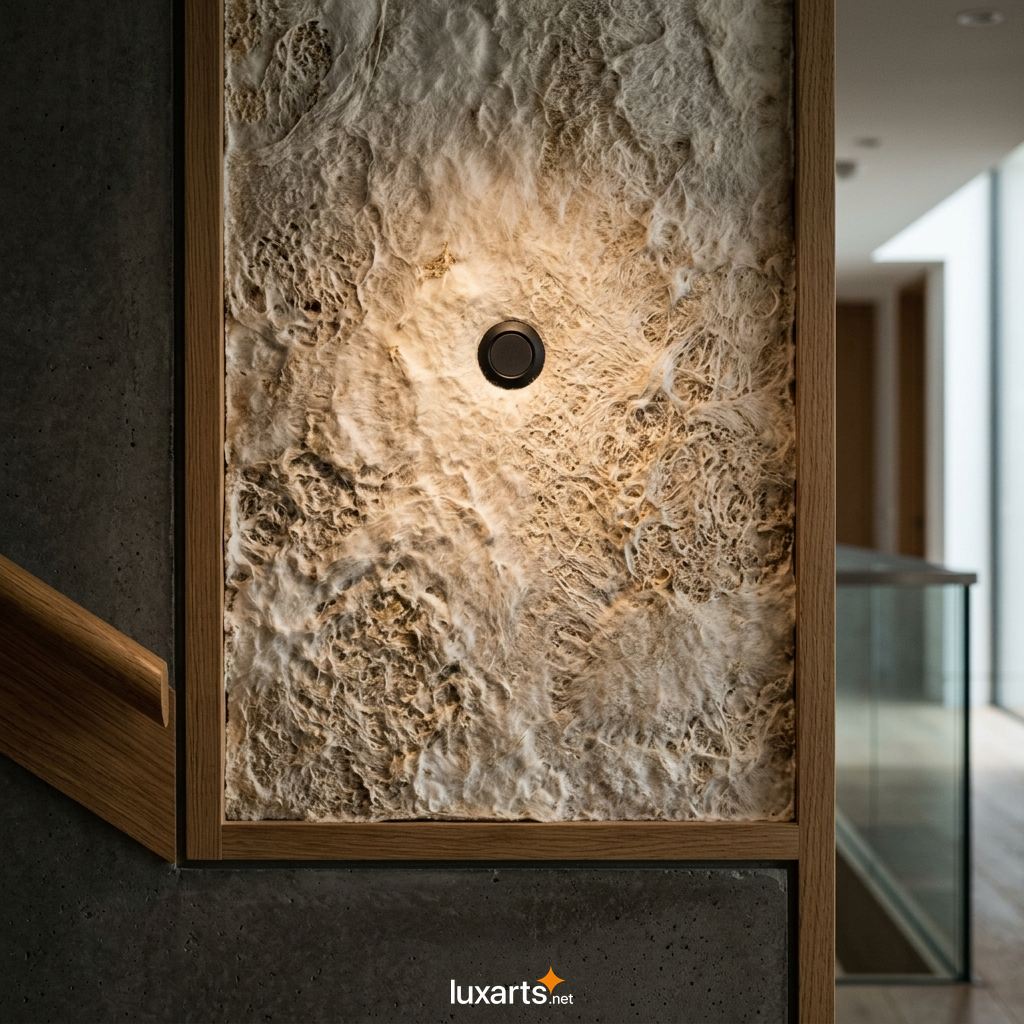
The 2026 iteration of regenerative material design does not stop at biology; it is increasingly paired with ambient intelligence systems — low-profile environmental sensors embedded within the wall assembly that monitor humidity, particulate load, and circadian light exposure, feeding that data to climate and lighting systems calibrated to work with the room’s biomaterials rather than override them. A bio-insulated wall’s natural humidity buffering, for instance, can be read by the building system and used to fine-tune mechanical dehumidification, reducing energy load rather than fighting the material’s own passive behavior. This is the emerging discipline of regenerative design proper: architecture that treats its material envelope as an active participant in the building’s systems rather than a passive backdrop to them.
The same principle governs light. Mycelium panels and protein-silk textiles both scatter light diffusely rather than specularly, and ambient lighting systems in 2026 residential projects are frequently programmed to account for this — dimming curves and color-temperature shifts calibrated against a material’s actual light-diffusion profile rather than a generic room preset. As discussed in the context of The Architecture of Slumber: Redefining the Private Sanctuary for 2026, this coordination between material behavior and ambient system programming is what separates a genuinely restorative private space from one that is simply quiet. The room is not passive. It is tuned.
Craftsmanship at the Threshold of Biology
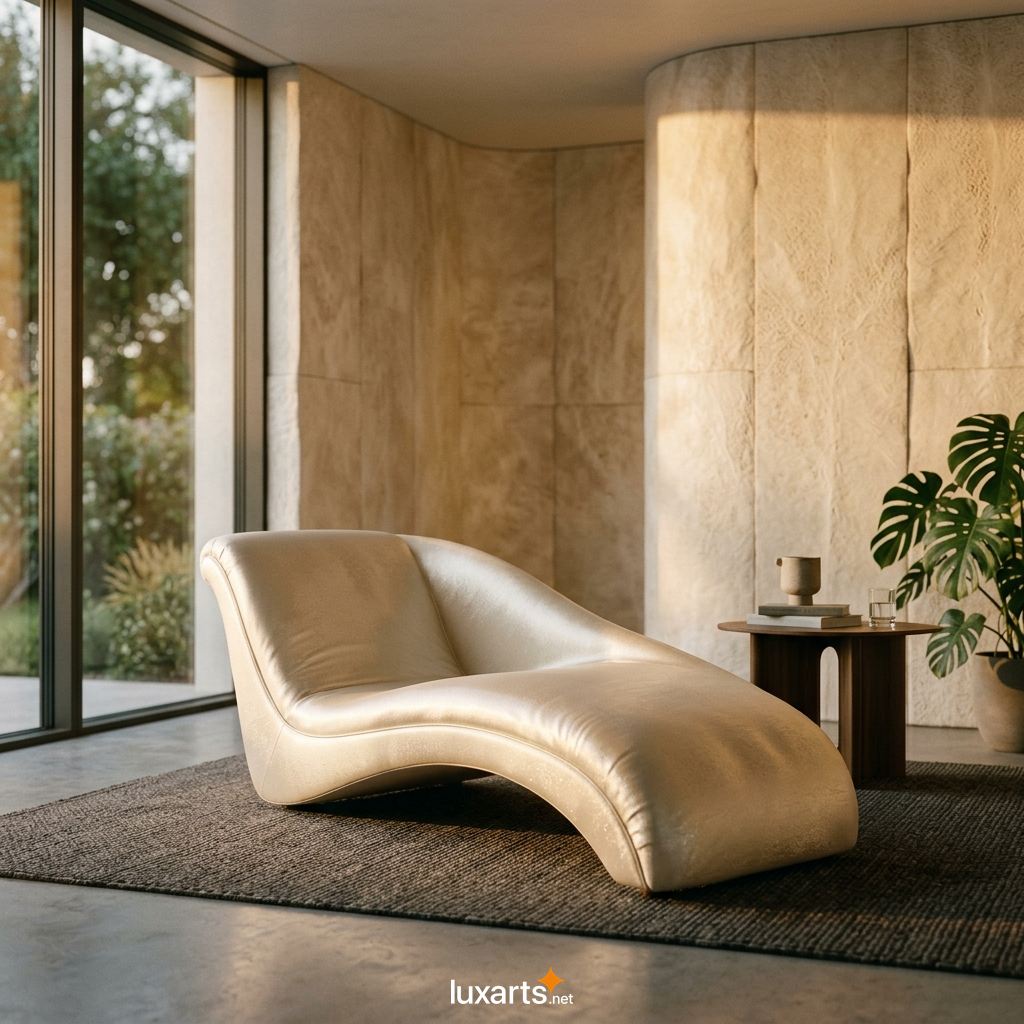
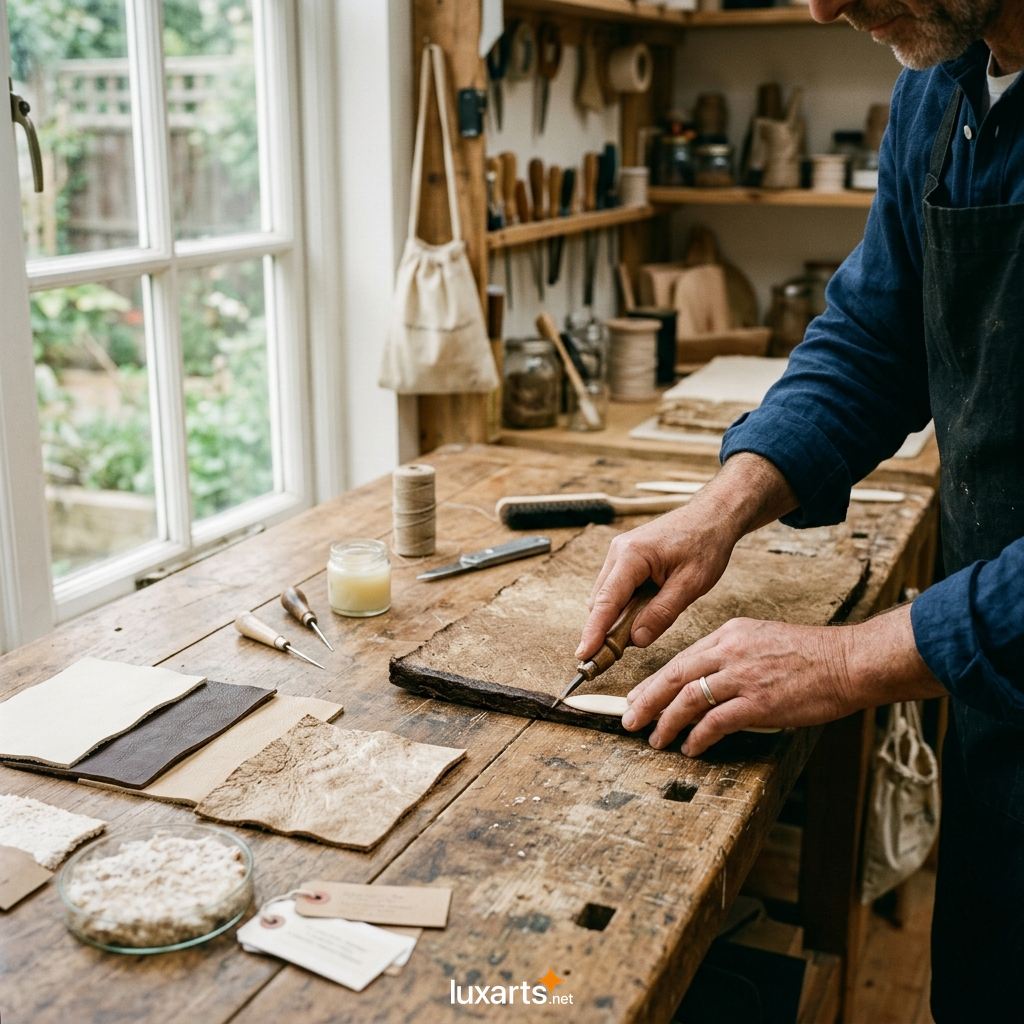
None of this displaces the hand of the craftsman; it relocates it. Cultivating a mycelium panel to a specified density gradient, or hand-finishing a protein-silk bolt so its dye settles evenly across a molecularly irregular fiber, demands a tacit expertise closer to viticulture or ceramics than to industrial upholstery. The ateliers now supplying this material to architects are small, specialized, and often staffed by people trained originally in traditional leatherwork or textile weaving who have redirected that expertise toward biological substrates. The sculptural furniture emerging from this collaboration — chaises with a single unbroken mycelium skin stretched over a laminated timber frame, headboards where the material’s own growth pattern dictates the final form rather than a template imposed on it — represents a return to something closer to pre-industrial craft logic, mediated by cultivation science rather than replaced by it.
What Comes Next
The trajectory here points past textiles and insulation toward structural application — mycelium composites dense enough to bear load, protein-based fibers strong enough to replace steel cabling in tensile architectural elements, bio-insulation systems integrated directly into a building’s load-bearing envelope rather than applied as a secondary layer. Within the decade, it is plausible that the distinction between “material” and “system” collapses entirely: a wall that insulates, humidifies, and communicates with a building’s climate infrastructure because it was never three separate products stacked together, but one cultivated organism performing three functions by design. Luxury minimalism, once defined by what a room removed, will be redefined by what a room’s materials are still doing — quietly, continuously, biologically — long after the architect has left the site.
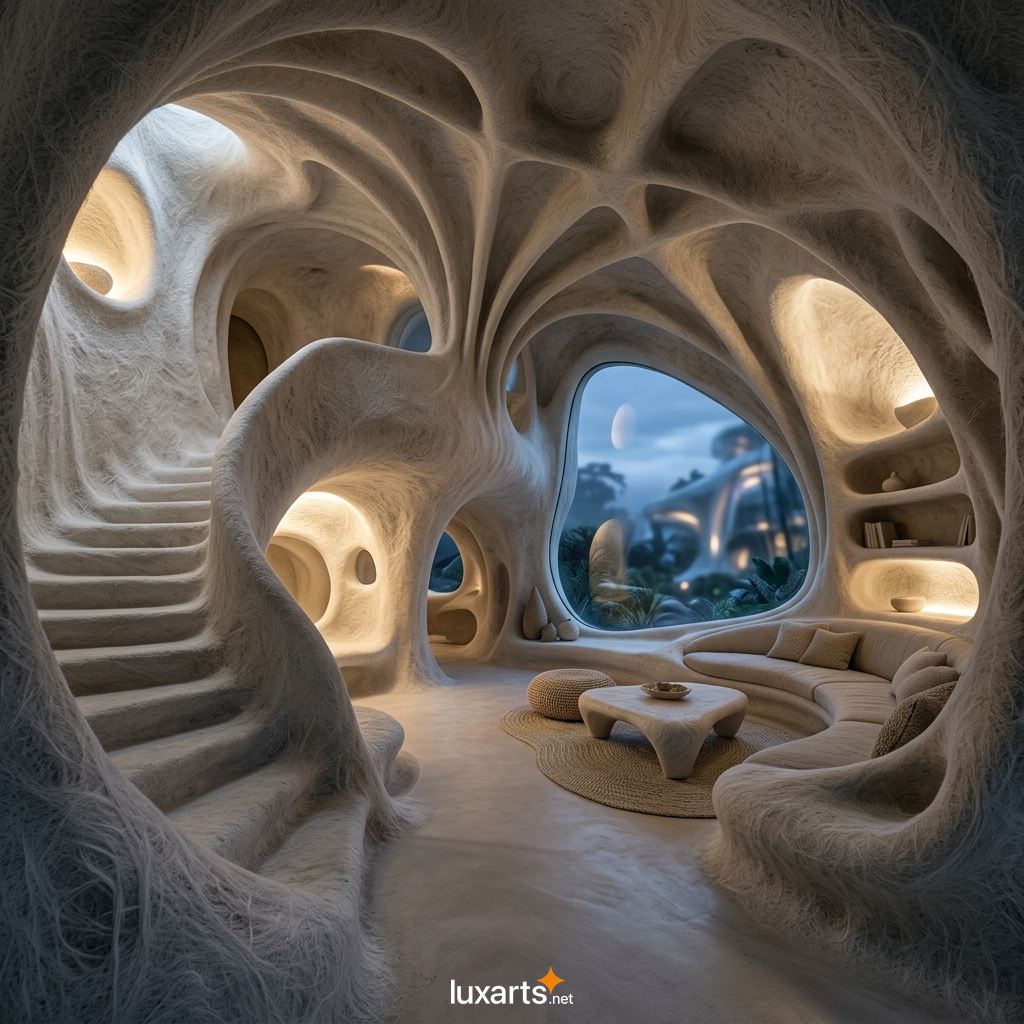
NOTE: All images in this post are AI-generated and intended solely for inspiration. These are not real products available for sale, and we do not operate any online store or website for purchases.