In the world of modern interior design, homeowners and architects are constantly seeking innovative ways to transform ordinary spaces into captivating environments. One of the most striking and imaginative trends to emerge in recent years is the aquarium backsplash — a fusion of art, nature, and functional design that turns a simple kitchen or bathroom wall into a living aquatic display. More than just a decorative feature, an aquarium backsplash introduces movement, color, and tranquility into interior spaces, offering a unique sensory experience unlike any traditional backsplash material. This article dives deep into the concept of aquarium backsplashes, exploring their design possibilities, functional benefits, installation considerations, and the creative inspiration they bring to contemporary interiors.
What Is an Aquarium Backsplash?
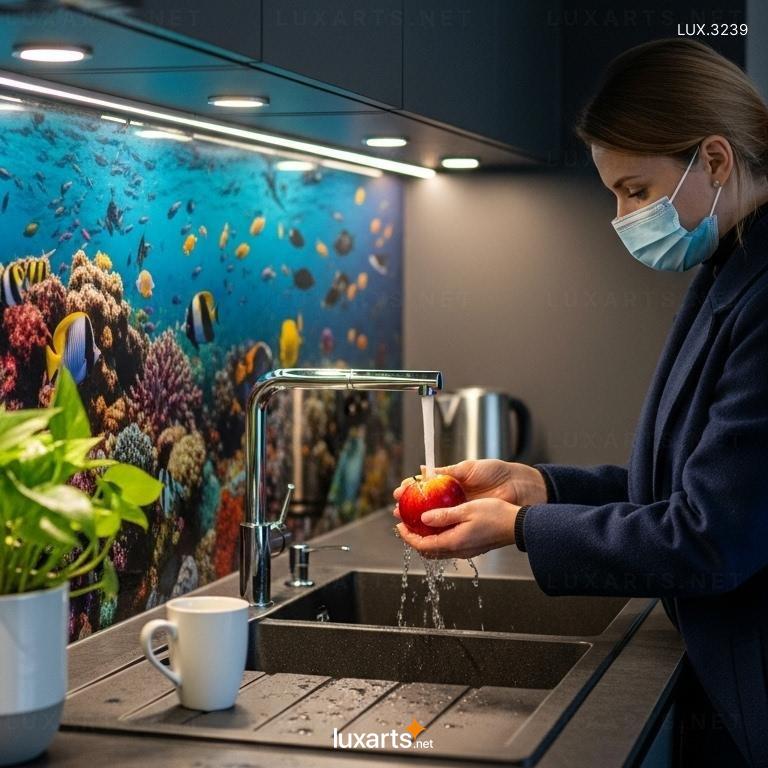
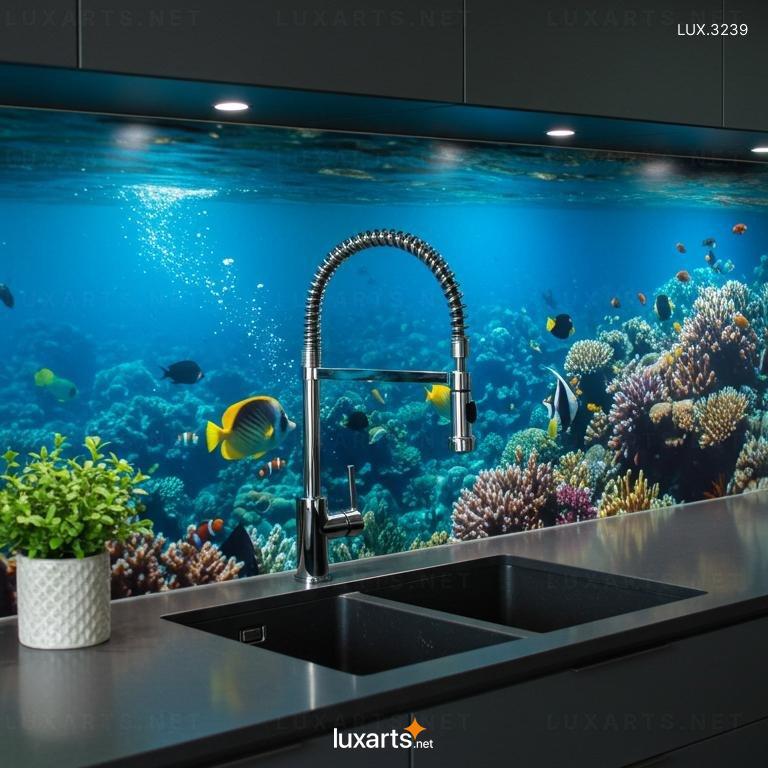
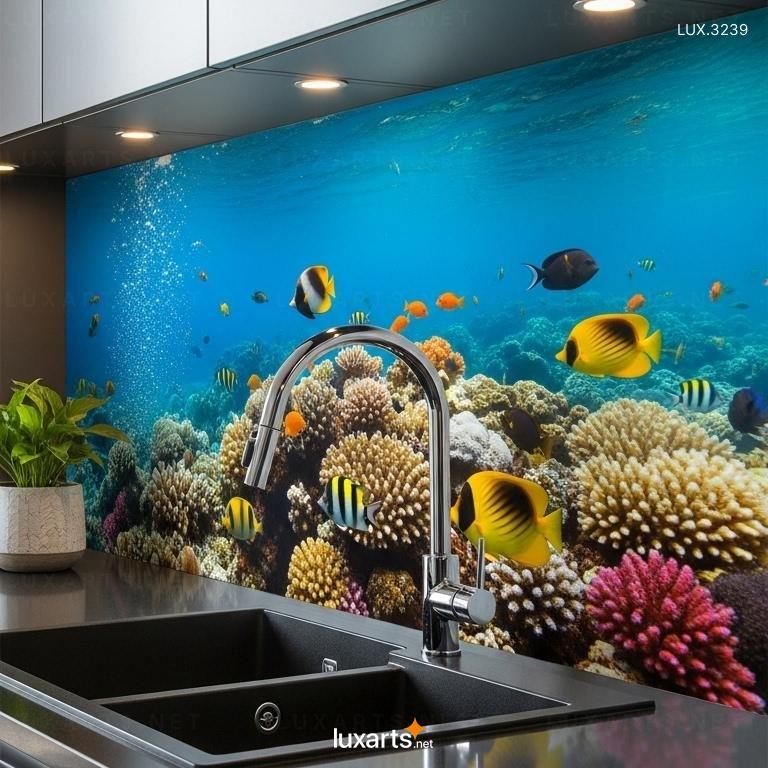
An aquarium backsplash is a custom-designed wall feature that integrates a fully functional aquarium into the vertical surface behind a countertop, typically in kitchens or bathrooms. Unlike standard tile, glass, or stone backsplashes, this design incorporates a sealed, transparent tank filled with water, aquatic plants, and often colorful fish or other aquatic life. The result is a dynamic, living wall element that serves both aesthetic and atmospheric purposes.
While the idea may sound futuristic, aquarium backsplashes have been gaining traction in luxury homes, boutique restaurants, and wellness-focused spaces. They represent a bold departure from conventional design, blending biophilic elements with architectural innovation. The visual impact of watching fish glide behind glass, surrounded by rippling light and aquatic greenery, adds a serene and mesmerizing quality to any room.
The Aesthetic Appeal of an Aquarium Backsplash
One of the primary reasons homeowners are drawn to the aquarium backsplash concept is its unparalleled visual impact. Unlike static materials, an aquarium introduces motion, depth, and life into a space. The gentle movement of fish, the sway of underwater plants, and the play of light through water create a constantly evolving artwork.
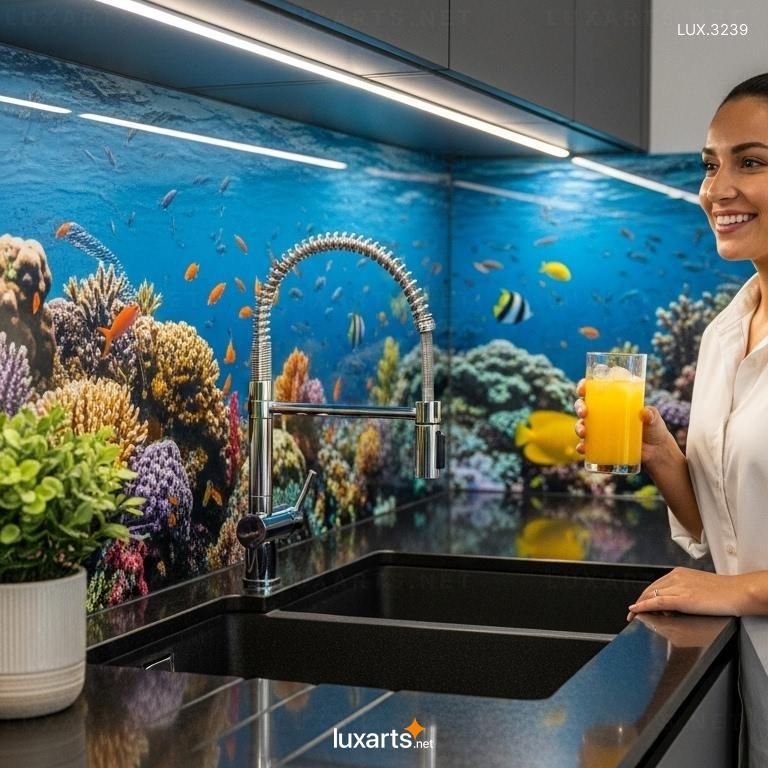
Designers often use the aquarium backsplash as a focal point in minimalist or modern interiors. In a sleek kitchen with monochromatic cabinetry and stainless steel appliances, the vibrant colors of tropical fish or the calming hues of a saltwater reef can provide a dramatic contrast. In bathrooms, an aquarium backsplash behind a floating vanity can evoke a spa-like atmosphere, enhancing relaxation and mindfulness.
The transparency of glass allows the aquarium to blend seamlessly with the surrounding architecture. Whether framed in brushed metal, embedded within stone, or integrated into a glass partition, the aquarium becomes both a functional barrier and a piece of living art.
Design Variations and Creative Possibilities
The beauty of an aquarium backsplash lies in its adaptability. Designers and homeowners can customize every aspect — from size and shape to aquatic theme and lighting — to match the interior style and personal taste.
1. Freshwater vs. Saltwater Themes
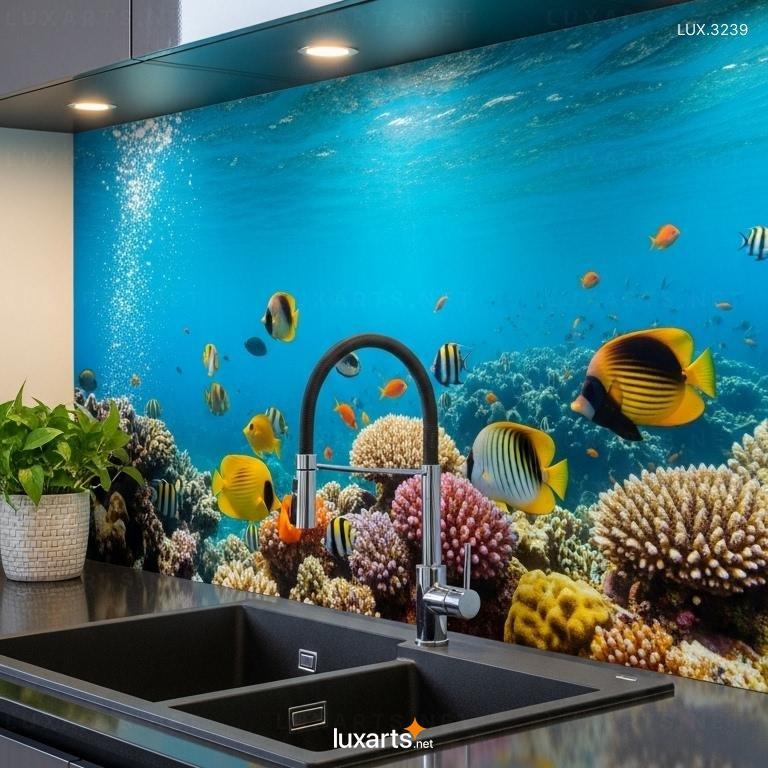
Freshwater aquariums are often easier to maintain and offer a wide range of colorful fish such as tetras, guppies, and angelfish. They pair well with natural wood tones and earthy color palettes. Saltwater aquariums, on the other hand, feature coral reefs, exotic fish like clownfish or tangs, and invertebrates. These are ideal for coastal or tropical-themed interiors and bring a vibrant, oceanic energy to the space.
2. Plant Integration and Aquascaping
Aquascaping — the art of arranging aquatic plants, rocks, and driftwood — plays a crucial role in enhancing the visual depth of an aquarium backsplash. A densely planted freshwater setup with moss, ferns, and stem plants can create a lush, jungle-like effect. Minimalist aquascapes with clean lines and open spaces offer a more contemporary, Zen-inspired look.
3. Custom Shapes and Layouts
Aquarium backsplashes are not limited to rectangular panels. Curved glass, corner installations, or multi-level tanks can follow the contours of the room. Some designs extend from countertop to ceiling, creating a dramatic vertical garden effect. Others are segmented into smaller panels, resembling a series of living picture frames.
4. Lighting and Visual Effects
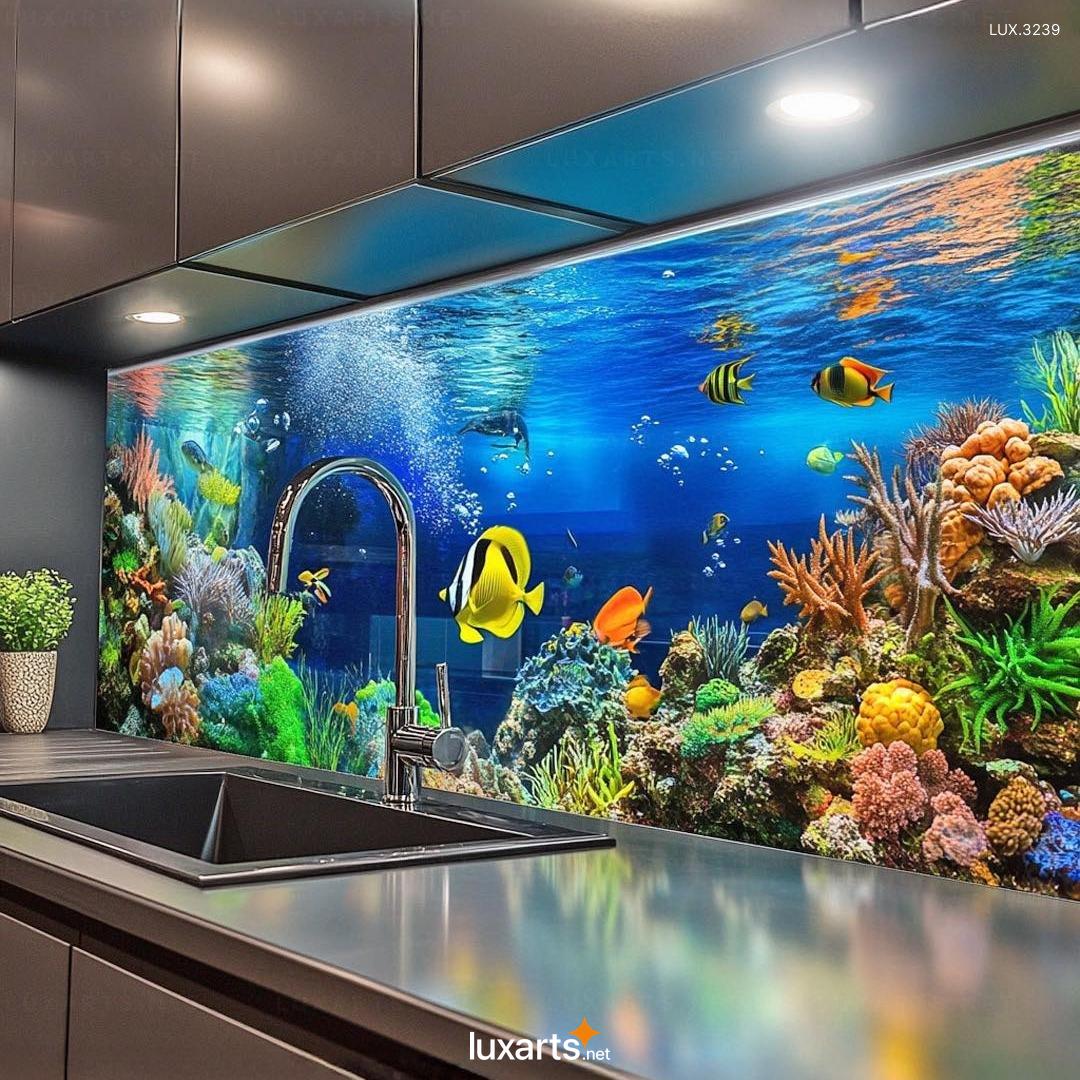
LED lighting is essential not only for the health of aquatic life but also for enhancing the ambiance. Programmable lights can simulate sunrise and sunset, change colors, or create shimmering water effects that reflect onto surrounding surfaces. When combined with reflective countertops or mirrored backs, the lighting can amplify the sense of space and movement.
Functional and Psychological Benefits
Beyond aesthetics, an aquarium backsplash offers several functional and wellness-oriented advantages.
1. Biophilic Design and Mental Well-being
Biophilic design — the practice of connecting people with nature in built environments — has been proven to reduce stress, improve concentration, and enhance mood. An aquarium backsplash brings natural elements indoors in a dynamic way. Watching fish swim has a meditative effect, lowering heart rate and promoting relaxation. In kitchens, where activity can be fast-paced, this calming influence helps create a more balanced atmosphere.
2. Natural Humidity Regulation
In dry climates or heated indoor environments, aquariums contribute to ambient humidity. This can be especially beneficial in bathrooms, helping to maintain skin moisture and reduce dryness. However, proper sealing and ventilation are crucial to prevent moisture damage to surrounding materials.
3. Sound and Sensory Experience
The gentle bubbling of a filtration system or air stone adds a subtle auditory layer to the space. Combined with visual movement, this multisensory experience enhances the overall ambiance, making the room feel more immersive and alive.
Installation and Structural Considerations
While the idea of an aquarium backsplash is captivating, its implementation requires careful planning and professional expertise.
1. Weight and Support
Water is heavy — approximately 8.3 pounds per gallon. A typical backsplash aquarium may hold 20 to 50 gallons, adding hundreds of pounds to the wall structure. Reinforced framing, secure mounting systems, and consultation with structural engineers are essential to ensure safety and longevity.
2. Waterproofing and Sealing
Since the aquarium is integrated into a wall, all connections must be completely watertight. High-grade silicone sealants, stainless steel brackets, and seamless glass panels are used to prevent leaks. The surrounding cabinetry and flooring should also be made from water-resistant materials.
3. Access for Maintenance
Unlike standard backsplashes, aquariums require regular upkeep — cleaning algae, checking water quality, feeding fish, and servicing equipment. Designers often incorporate hidden access panels or removable sections to allow for maintenance without disrupting the overall look. Some systems include built-in filtration, automatic feeders, and remote monitoring for convenience.
4. Integration with Room Layout
The placement of the aquarium backsplash must align with the room’s functionality. In kitchens, it should not interfere with cooking zones or appliance use. In bathrooms, it should be positioned away from direct shower spray. Ventilation and temperature control are also important — extreme heat or cold can stress aquatic life.
Aquarium Backsplash in Different Interior Styles
The versatility of the aquarium backsplash allows it to complement a wide range of design aesthetics.
Modern and Minimalist Interiors
In clean-lined, monochrome spaces, the aquarium acts as a vibrant centerpiece. A black-framed tank with silver fish and blue LED lighting enhances the futuristic vibe. The contrast between stillness and motion creates visual interest without clutter.
Coastal and Tropical Themes
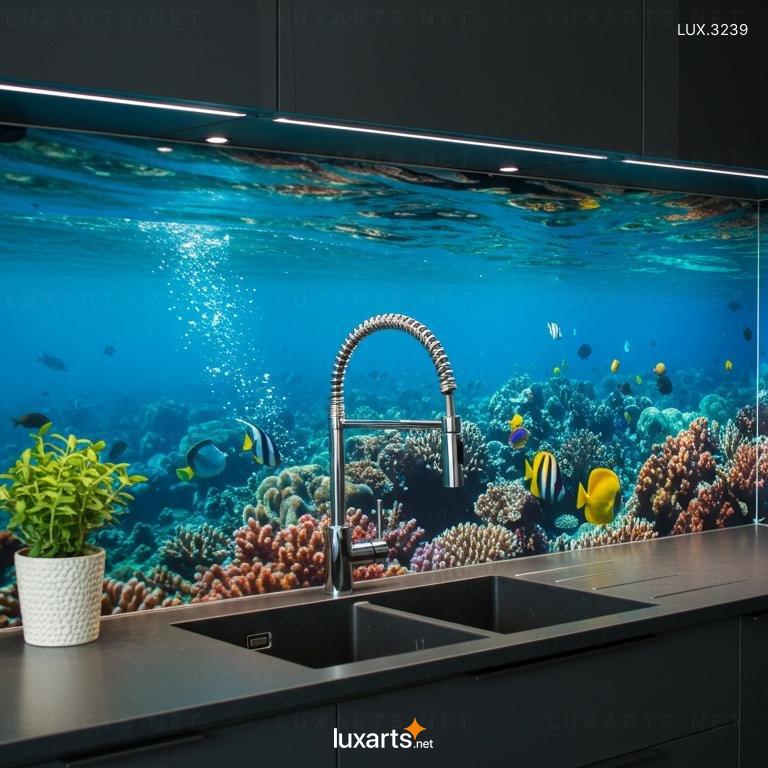
For homes with ocean-inspired decor, a saltwater aquarium with coral, anemones, and clownfish reinforces the seaside ambiance. Natural stone surrounds and driftwood accents enhance the organic feel.
Luxury and High-End Residences
In penthouses or designer homes, aquarium backsplashes are often part of larger aquatic features — extending into room dividers or connecting with indoor ponds. These installations reflect sophistication and a commitment to unique, personalized design.
Wellness and Meditation Spaces
Spas, yoga studios, or home meditation rooms may incorporate smaller aquarium backsplashes to promote mindfulness. The gentle movement of water and life supports a calming environment conducive to relaxation and introspection.
Challenges and Maintenance Tips
Despite their beauty, aquarium backsplashes come with responsibilities. They are not “install and forget” features. Owners must be prepared for ongoing care.
- Water Quality Management: Regular testing of pH, ammonia, and nitrate levels is necessary to keep aquatic life healthy.
- Algae Control: Proper lighting duration and nutrient balance help prevent excessive algae growth.
- Equipment Checks: Filters, pumps, and heaters must be inspected regularly to ensure optimal function.
- Fish Health Monitoring: Observing fish behavior and appearance helps detect issues early.
Working with experienced aquarium designers and maintenance professionals can simplify long-term care and ensure the system remains both beautiful and functional.
Conclusion: Redefining Interior Design with the Aquarium Backsplash
The aquarium backsplash is more than a trend — it’s a transformative design concept that reimagines how we interact with our living spaces. By merging architecture with nature, it brings movement, color, and serenity into environments that are often dominated by static materials. Whether used in a modern kitchen, a tranquil bathroom, or a wellness retreat, this innovative feature offers a unique blend of artistry and functionality.
As interior design continues to evolve, the demand for personalized, immersive experiences grows. The aquarium backsplash answers that call, turning walls into living canvases and everyday spaces into extraordinary environments. It invites us to look beyond traditional materials and embrace the beauty of dynamic, sustainable design.
For those seeking to create a truly unique interior, the aquarium backsplash stands as a bold statement of creativity, innovation, and harmony with nature. It’s not just a design choice — it’s an experience.
NOTE: All images in this post are AI-generated and intended solely for inspiration. These are not real products available for sale, and we do not operate any online store or website for purchases.