In today’s fast-paced world, efficiency is a cornerstone of both personal and professional productivity. Nowhere is this more evident than in the laundry industry—whether in commercial laundromats, hospitality services, healthcare facilities, or even modern households. One innovation that has significantly transformed laundry workflows is the laundry folding machine. Once considered a luxury reserved for large-scale operations, this automated solution is now recognized for its ability to streamline repetitive tasks, reduce labor strain, and enhance overall operational consistency. This article explores how the laundry folding machine saves time and improves laundry efficiency through automation, precision, and integration into modern laundry ecosystems—all without delving into sales, pricing, or commercial promotion.
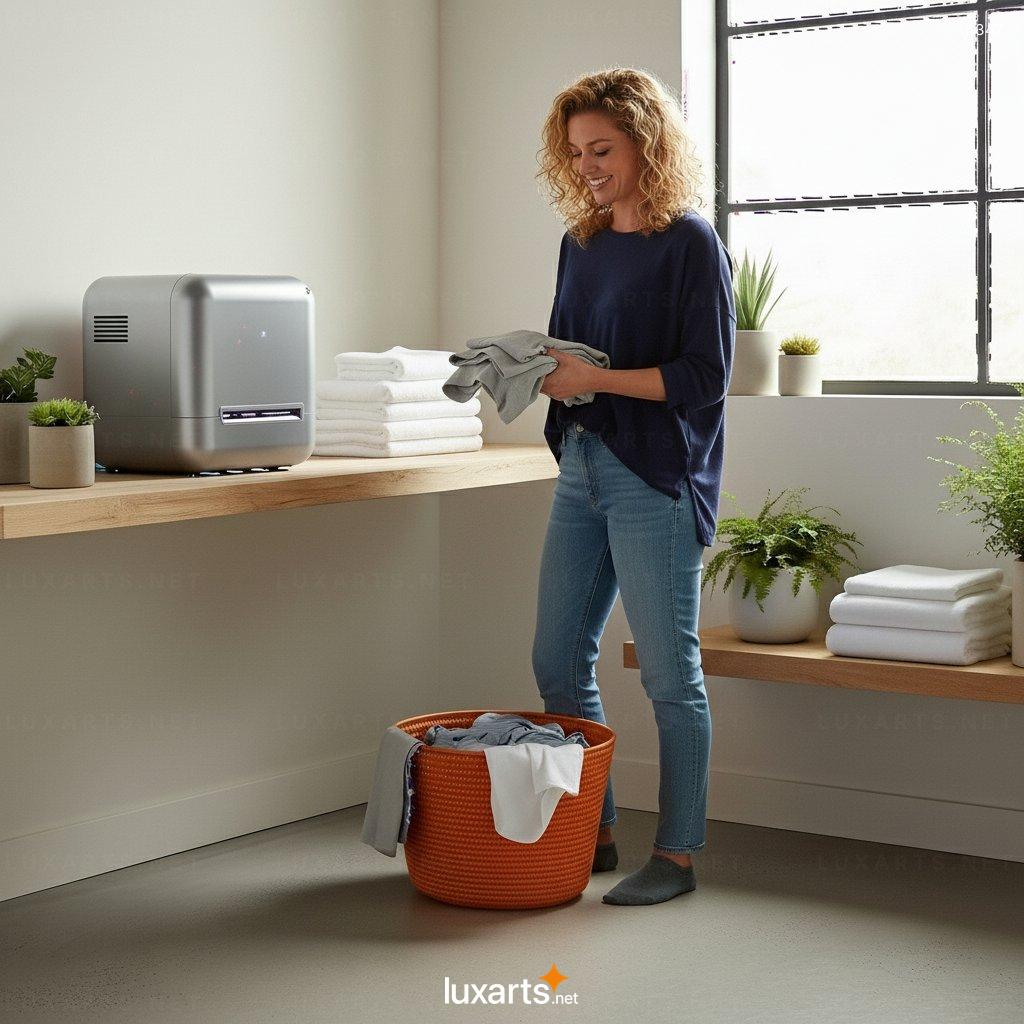
What Is a Laundry Folding Machine?
A laundry folding machine is an automated device designed to fold clean, dry textiles—such as towels, sheets, uniforms, and garments—into uniform sizes and shapes. Unlike manual folding, which relies heavily on human dexterity and attention to detail, these machines use sensors, conveyors, rollers, and programmable logic to execute consistent folds at high speeds. They come in various configurations, from compact models suitable for small businesses to industrial-grade systems capable of handling hundreds of items per hour.
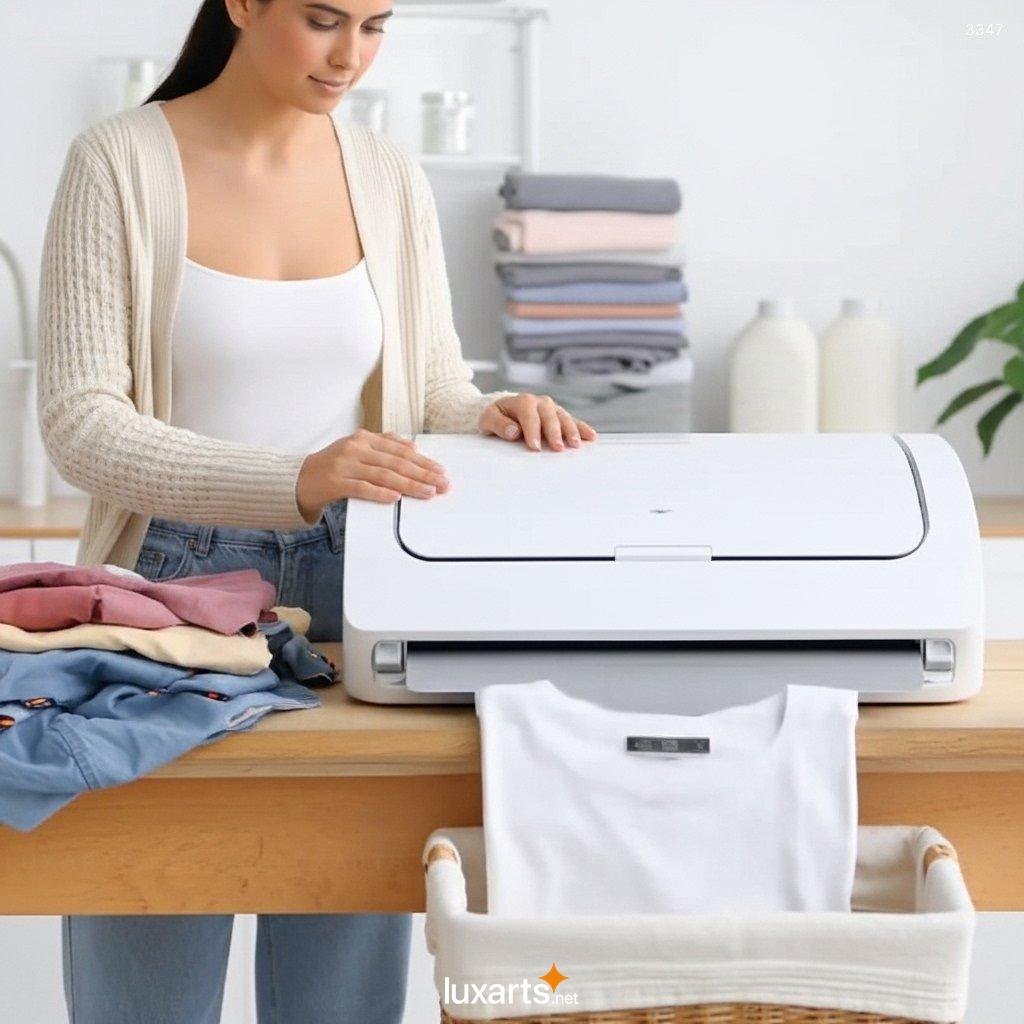
The core function remains the same: to eliminate the most time-consuming and physically demanding stage of post-wash processing. By automating this step, the laundry folding machine not only accelerates output but also ensures standardized results—critical in environments where presentation and hygiene matter.
The Time-Saving Power of Automation
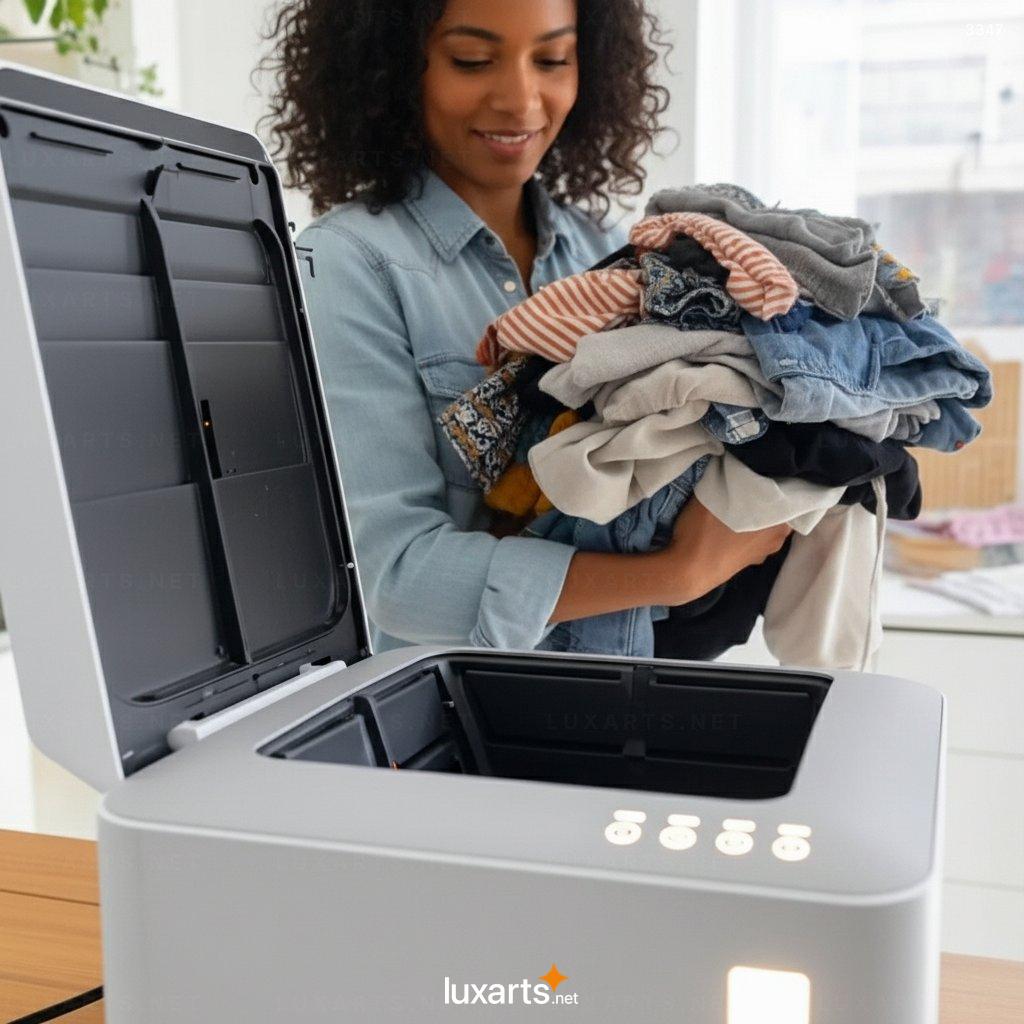
One of the most compelling advantages of a laundry folding machine is its ability to drastically reduce the time required to complete laundry cycles. Manual folding is inherently slow; even experienced staff may take several seconds to neatly fold a single bath towel or bedsheet. Multiply that by hundreds of items daily, and the cumulative time loss becomes significant.
In contrast, automated folding machines can process dozens of items per minute with minimal human intervention. Operators simply feed clean, unfolded textiles into the machine, and the system handles alignment, folding, and stacking. This shift from manual labor to machine-assisted workflow allows staff to redirect their efforts toward higher-value tasks—such as quality control, customer service, or equipment maintenance—thereby optimizing overall labor allocation.
Moreover, because these machines operate continuously without fatigue, they maintain consistent speed and accuracy throughout long shifts. This reliability eliminates bottlenecks that often occur during peak laundry volumes, ensuring smoother throughput and timely delivery of finished linens.
Enhancing Consistency and Quality Control
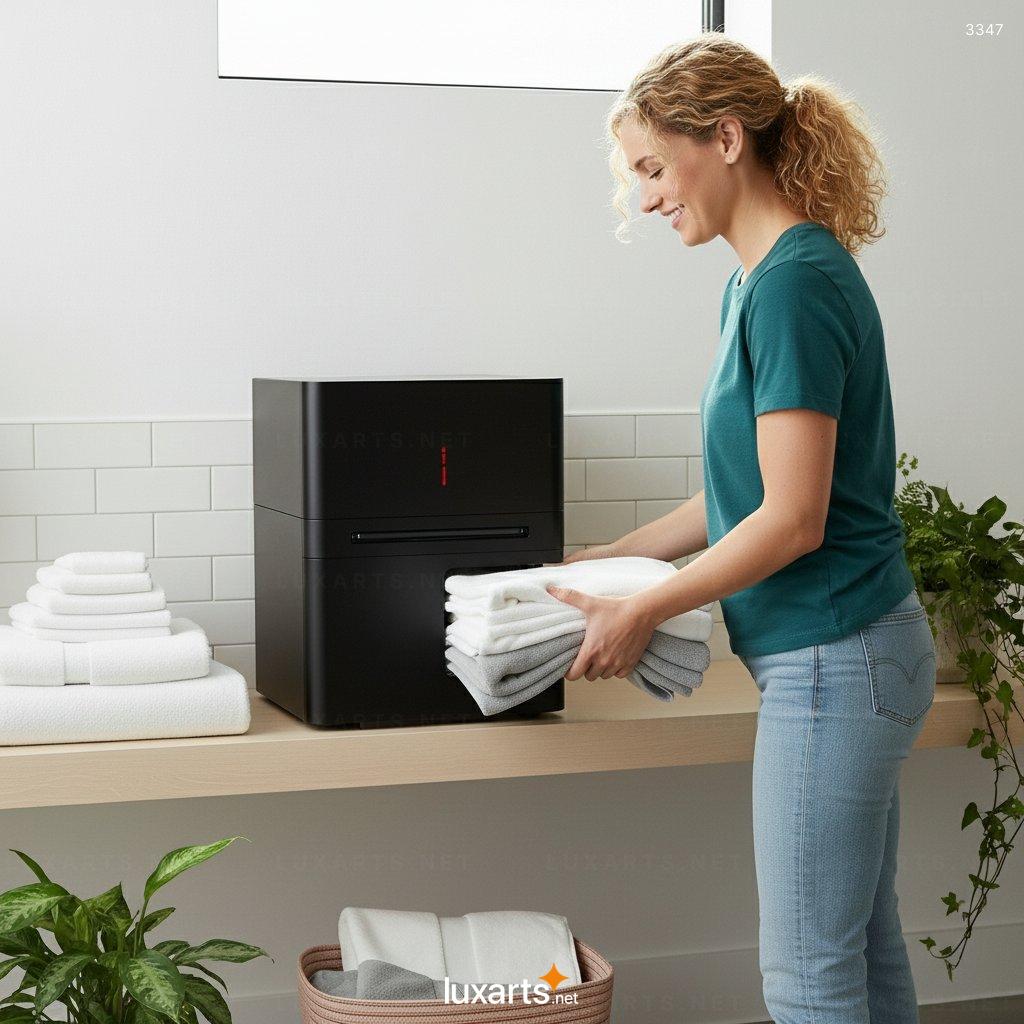
Beyond speed, the laundry folding machine plays a pivotal role in maintaining uniformity across folded items. In manual operations, fold quality can vary based on the worker’s skill level, attention, or physical condition. A tired employee at the end of a shift might produce looser or uneven folds compared to one at the start of the day.
Automated systems eliminate this variability. Every towel, sheet, or garment is folded to the exact same specification, meeting predefined standards for size, neatness, and stackability. This consistency is especially valuable in sectors like hospitality and healthcare, where neatly folded linens contribute to professional appearance and operational efficiency. Uniform folds also facilitate easier storage, transport, and inventory management—reducing wrinkles, minimizing space usage, and preventing damage during handling.
Additionally, many modern laundry folding machines integrate optical sensors and fabric recognition technology to detect item type, orientation, and size. This intelligence allows the machine to adjust folding patterns dynamically, ensuring optimal results even when processing mixed batches of textiles.
Reducing Physical Strain and Workplace Injuries
Laundry work is physically demanding. Repetitive motions—such as bending, reaching, and folding heavy linens—can lead to musculoskeletal disorders over time. According to occupational health studies, laundry personnel are at elevated risk for back pain, shoulder injuries, and carpal tunnel syndrome due to the nature of their tasks.
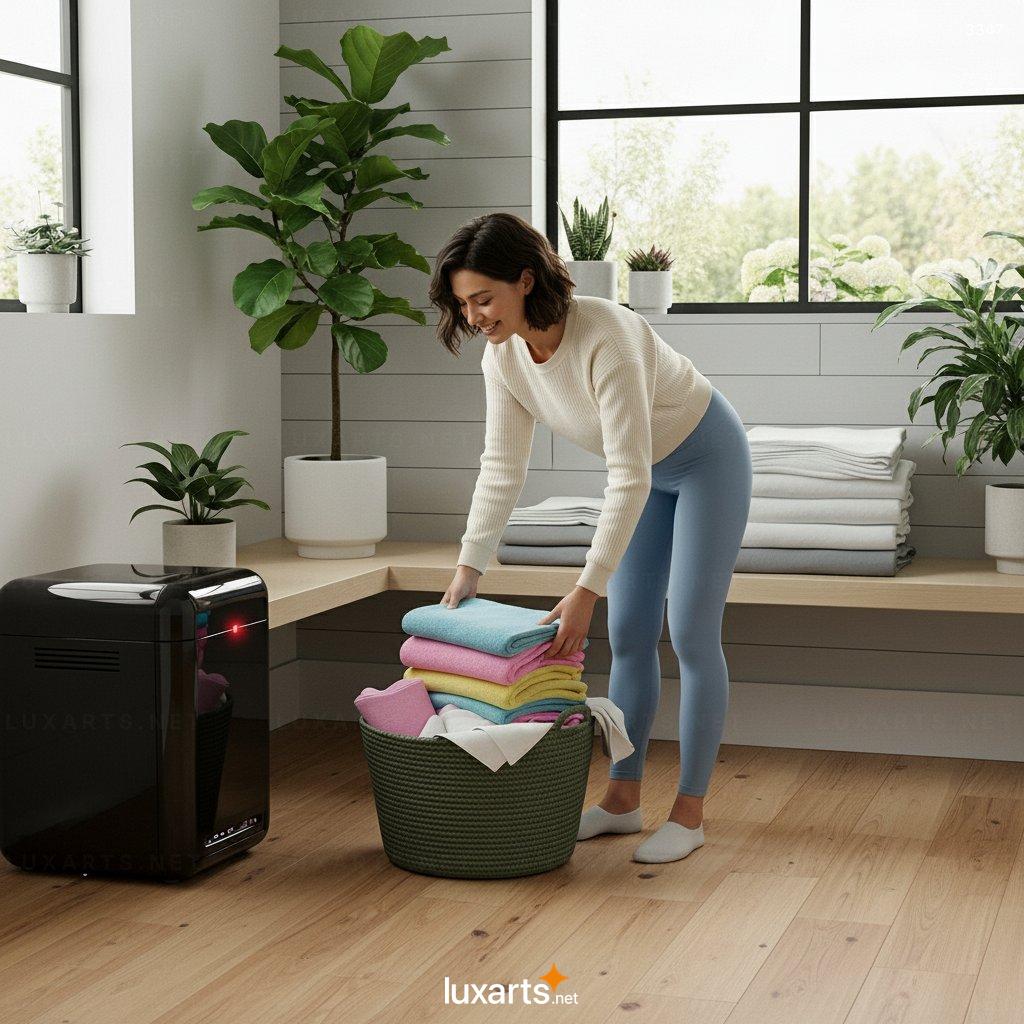
By automating the folding process, the laundry folding machine significantly reduces the need for repetitive manual labor. Workers no longer need to perform hundreds of identical folding motions daily, lowering the risk of strain-related injuries. This not only improves employee well-being but also contributes to lower absenteeism and higher job satisfaction.
Furthermore, ergonomic designs in newer models often include height-adjustable feed tables and smooth conveyor systems, minimizing awkward postures during operation. The result is a safer, more sustainable work environment that supports long-term workforce health.
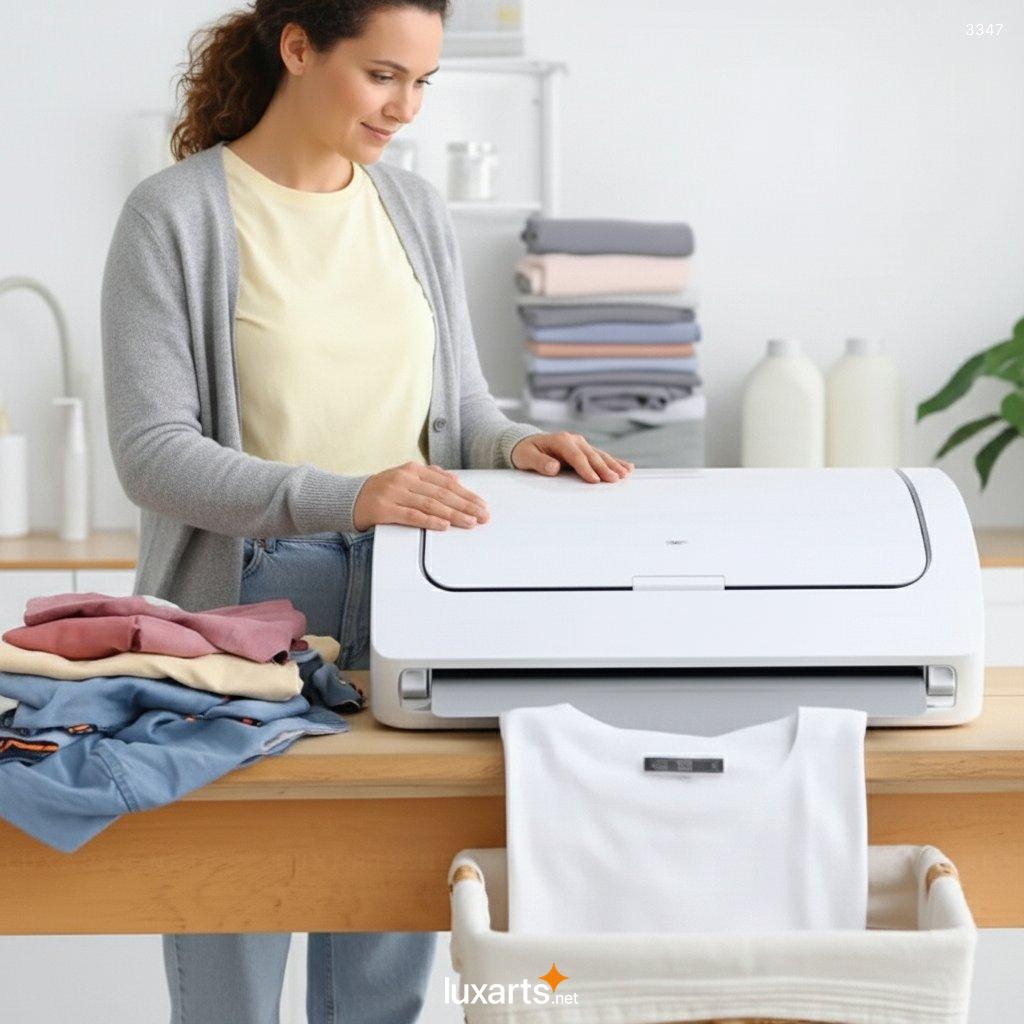
Integration with Modern Laundry Workflows
The true efficiency of a laundry folding machine emerges when it’s seamlessly integrated into a broader automated laundry system. In advanced facilities, these machines often connect directly to dryers, ironers, and sorting conveyors, creating a continuous, end-to-end workflow.
For example, in a hospital laundry setup, soiled linens are washed, dried, and then automatically conveyed to the folding station. The laundry folding machine identifies the item type—whether it’s a patient gown, surgical drape, or bedsheet—and applies the appropriate folding sequence. Finished stacks are then routed to designated storage or delivery zones without human handling.
This level of integration minimizes touchpoints, reduces cross-contamination risks, and accelerates turnaround time. It also enables real-time tracking of laundry volumes and processing stages, supporting data-driven decisions for operational improvement. Even in smaller settings, such as boutique hotels or fitness centers, semi-automated folding units can be paired with stackable dryers to create compact, efficient laundry stations.
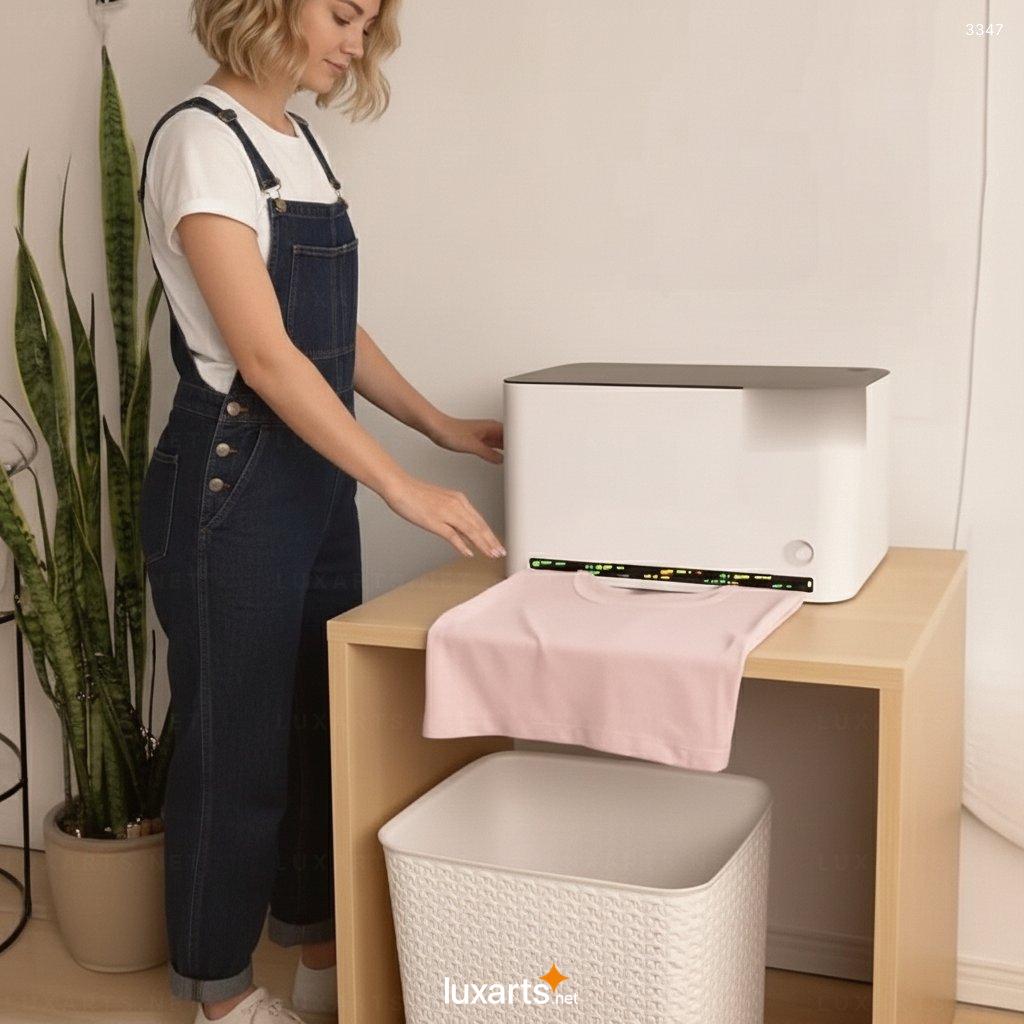
Supporting Sustainability and Resource Optimization
Efficiency gains from a laundry folding machine extend beyond labor and time—they also contribute to sustainability. Consistent folding reduces the need for reprocessing due to poor presentation or wrinkling, which in turn lowers energy and water consumption over time. Neatly folded linens require less ironing (or none at all), cutting down on heat-based energy use.
Additionally, optimized stacking allows for more efficient use of storage space and transport containers. Fewer trips are needed to move linens between laundry rooms and usage areas, reducing fuel consumption in large facilities. In this way, the laundry folding machine aligns with broader environmental goals by minimizing waste and maximizing resource utilization.
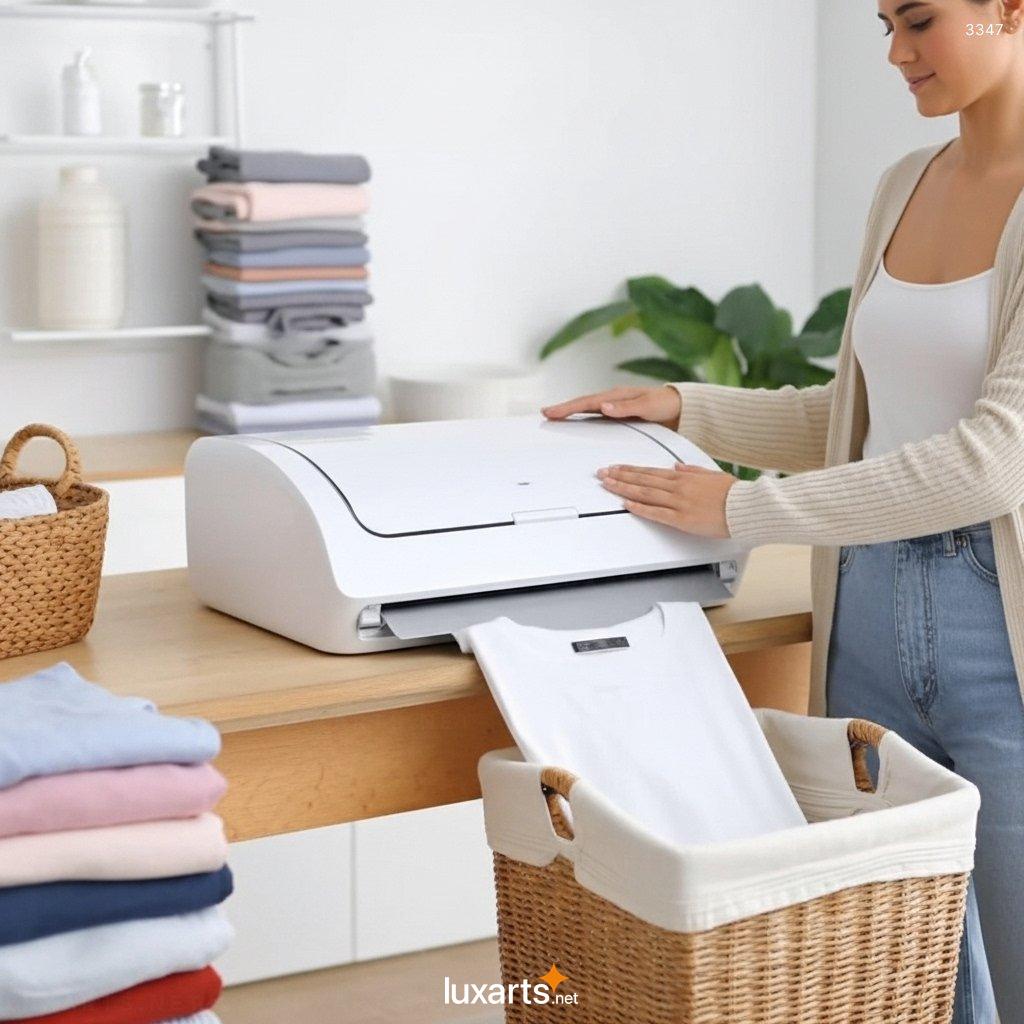
Adapting to Diverse Laundry Environments
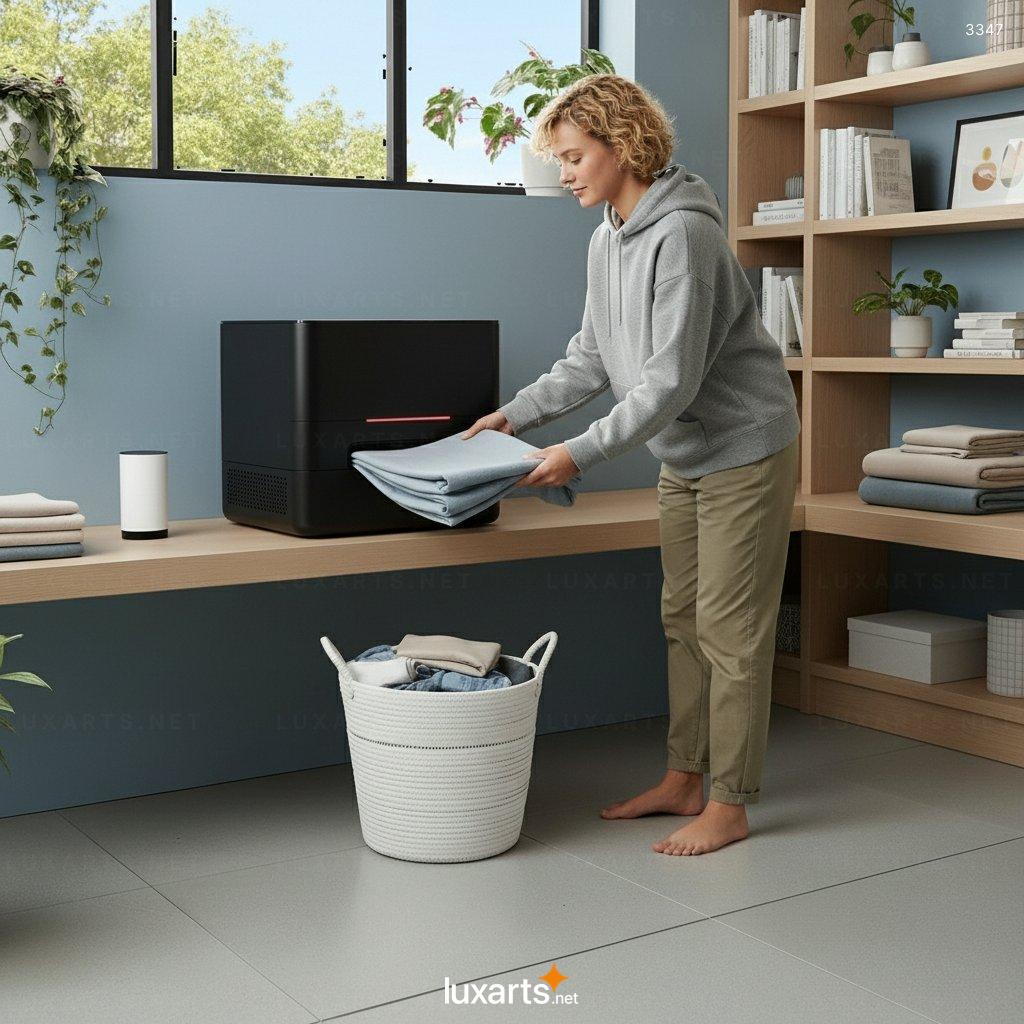
While often associated with industrial settings, laundry folding machines are increasingly adaptable to a wide range of environments. Compact models now serve small businesses like spas, salons, and daycare centers—places where clean, neatly folded towels and uniforms are essential but staffing is limited.
In residential contexts, though still emerging, smart home-compatible folding assistants are beginning to appear, reflecting growing consumer interest in domestic automation. These innovations demonstrate the versatility of folding technology and its potential to scale across different operational needs.
Crucially, modern machines are designed with user-friendly interfaces, allowing operators with minimal technical training to manage settings, monitor performance, and troubleshoot minor issues. This accessibility ensures that the benefits of automation are not confined to large enterprises but can be realized across the laundry spectrum.
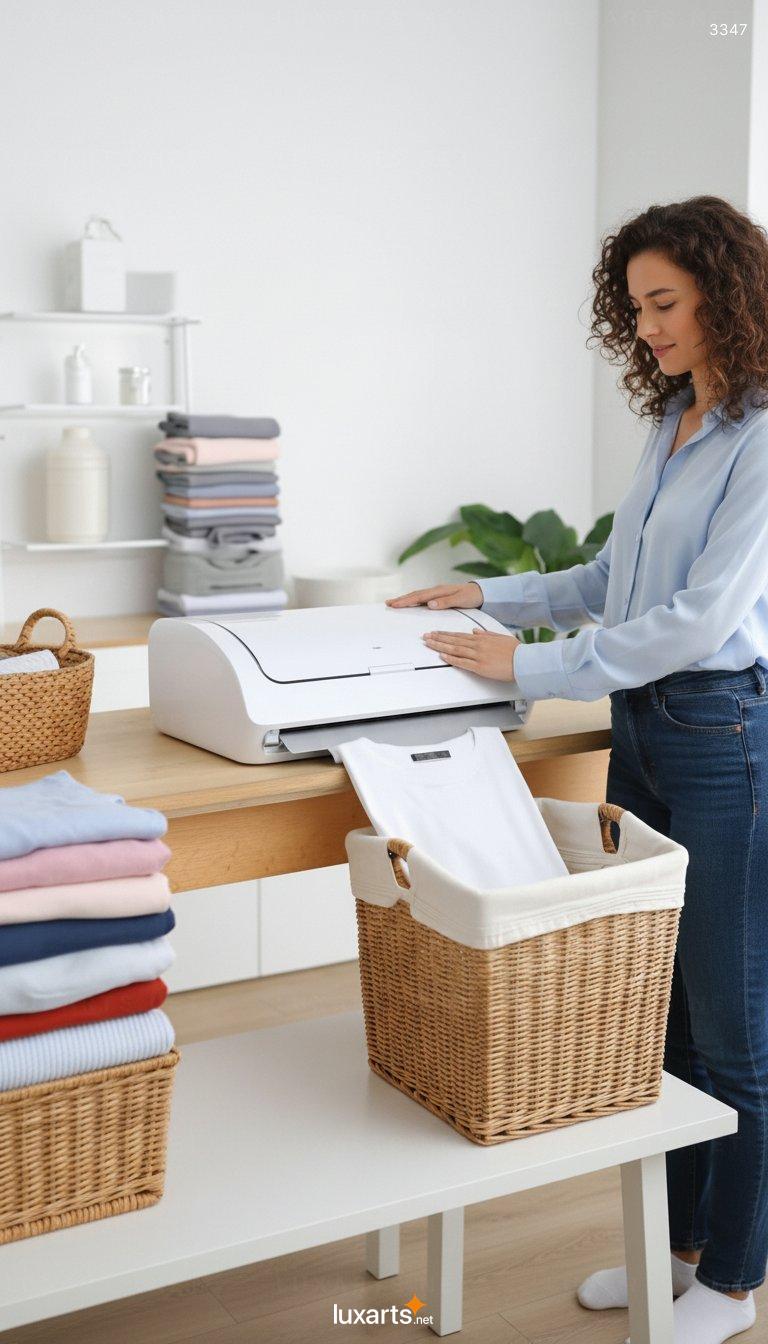
Future Trends in Laundry Folding Technology
As artificial intelligence and robotics advance, the capabilities of the laundry folding machine continue to evolve. Future iterations may incorporate machine learning algorithms that improve folding accuracy over time by analyzing fabric behavior. Some prototypes already use robotic arms with tactile sensors to handle delicate or irregularly shaped garments—something traditional machines struggle with.
Moreover, cloud connectivity could enable remote diagnostics, predictive maintenance, and performance analytics, further enhancing uptime and efficiency. These developments suggest that the role of the laundry folding machine will only grow more central in the quest for smarter, leaner laundry operations.
Conclusion
The laundry folding machine represents far more than a mechanical convenience—it is a strategic tool for enhancing time management, operational consistency, worker safety, and sustainability in laundry processes. By automating one of the most labor-intensive stages of textile handling, it frees human resources for more meaningful tasks while delivering uniform, high-quality results at scale. Whether deployed in a bustling hotel, a busy hospital, or a compact fitness studio, this technology demonstrates how thoughtful automation can transform routine chores into streamlined, efficient workflows. As innovation continues, the laundry folding machine will remain a key enabler of modern laundry efficiency—proving that sometimes, the simplest tasks benefit most from the smartest solutions.
NOTE: All images in this post are AI-generated and intended solely for inspiration. These are not real products available for sale, and we do not operate any online store or website for purchases.