In recent years, the landscape of water-based leisure has undergone a quiet but profound transformation. At the heart of this evolution lies the jet board-a sleek, innovative personal water propulsion device that merges engineering precision with recreational freedom. Unlike traditional watercraft that rely on bulky engines or external towing, the jet board empowers individuals to glide, hover, and maneuver across the water’s surface using self-contained propulsion systems. More than just a novelty, the jet board represents a new frontier in aquatic recreation, blending performance, aesthetics, and accessibility in ways previously unimagined. This article explores how the jet board is reshaping our relationship with water activities, diving into its design inspirations, functional benefits, ideal environments for use, maintenance considerations, and its growing cultural significance.

The Concept and Evolution of the Jet Board
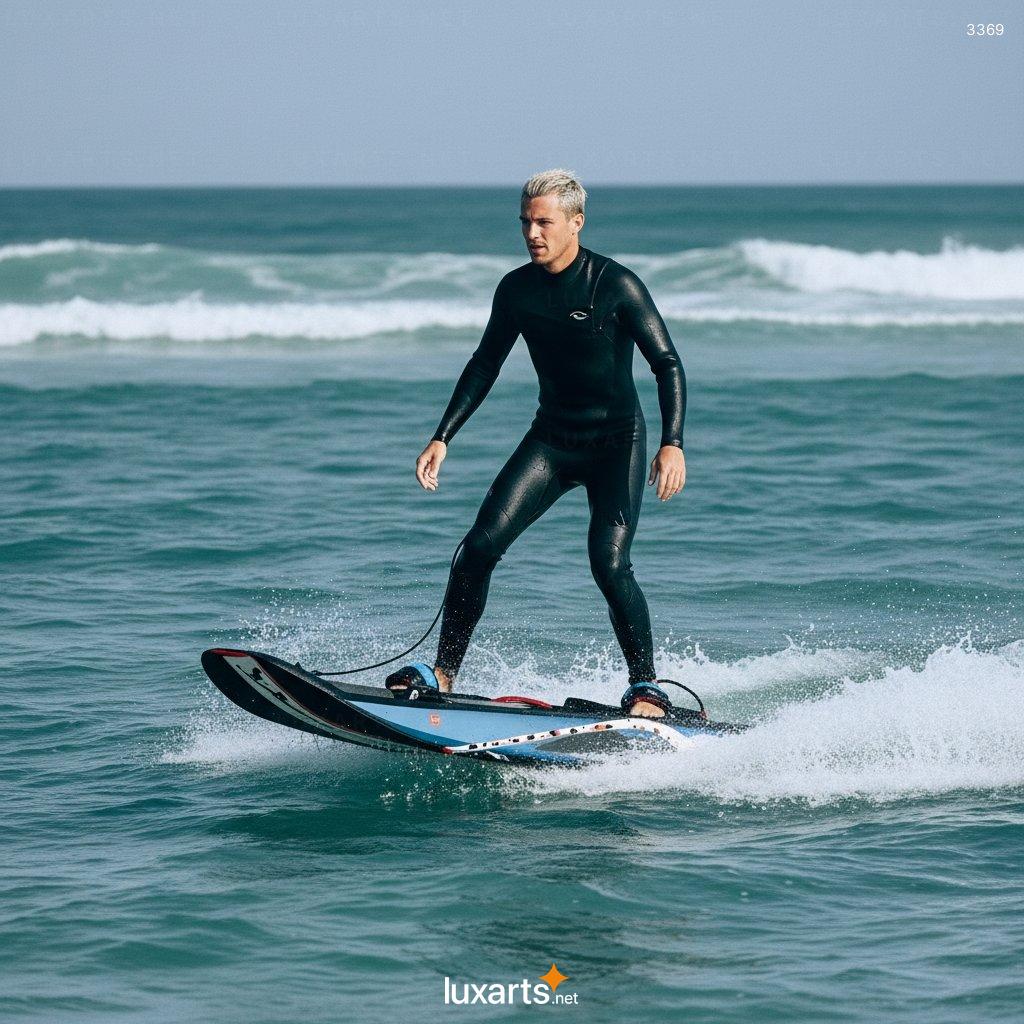
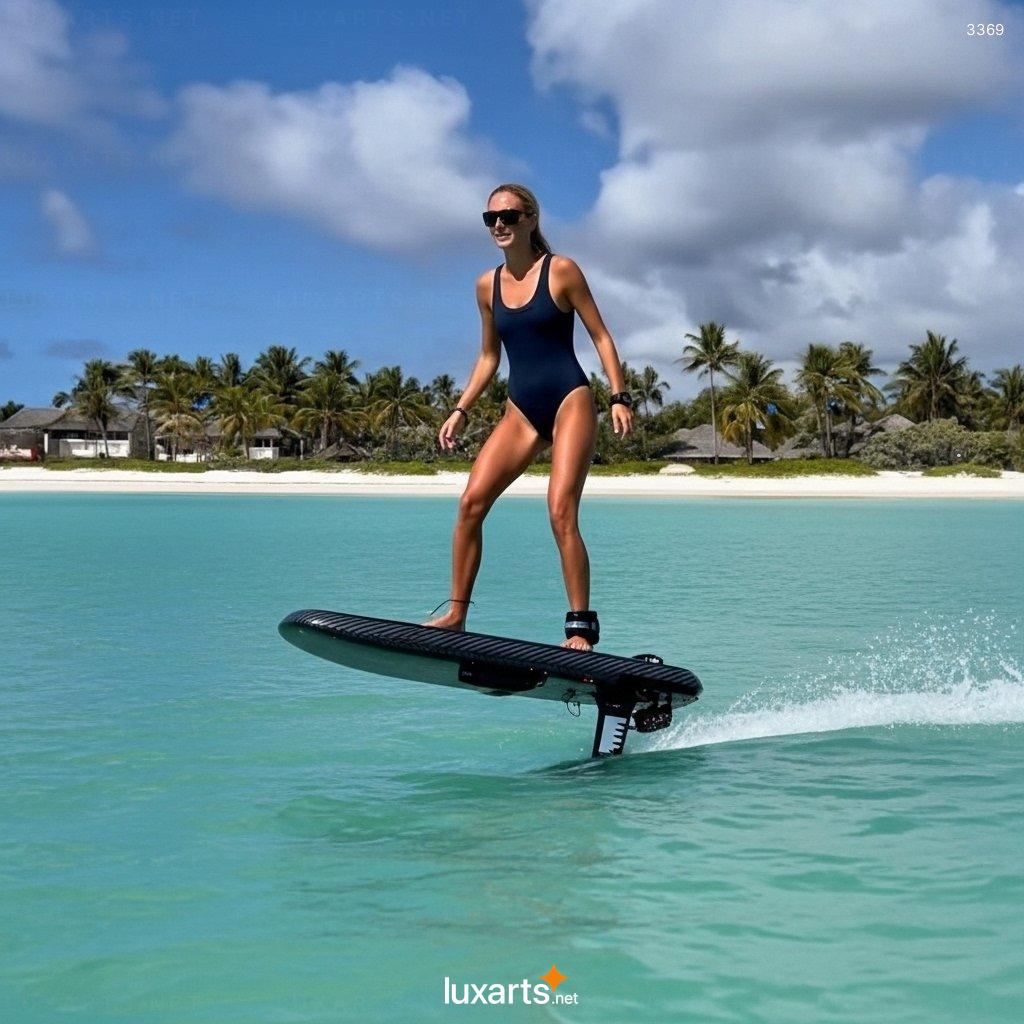
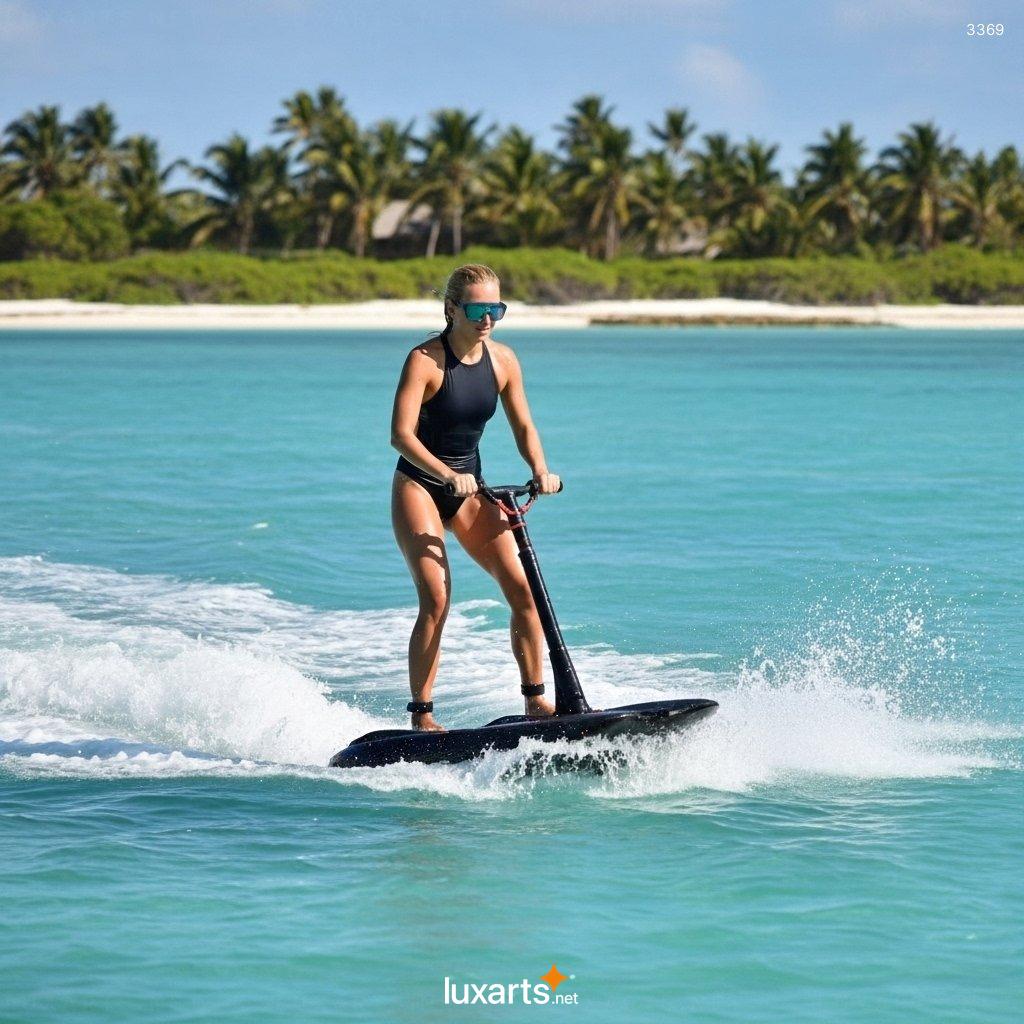
The jet board emerged from a fusion of marine engineering, aerospace principles, and consumer demand for more intuitive water experiences. Early prototypes drew inspiration from jet skis and hydroflight devices like water jetpacks, but designers soon realized that a board-based platform offered superior stability, portability, and user control. Modern jet boards typically integrate electric or water-jet propulsion systems beneath a streamlined deck, allowing riders to stand, kneel, or even lie down while navigating lakes, rivers, or coastal waters. What sets the jet board apart is its emphasis on personal autonomy. Users are no longer tethered to boats or dependent on waves; instead, they command their own motion through throttle controls, body positioning, and balance. This shift has democratized water sports, making high-mobility aquatic experiences accessible to a broader audience-including those without boating licenses or extensive training.
Creative Design Inspiration Behind Modern Jet Boards
Design plays a pivotal role in the jet board’s appeal. Many models reflect influences from futuristic transportation, minimalist architecture, and even aquatic wildlife. The contours often mimic the fluid lines of dolphins or manta rays, reducing drag and enhancing hydrodynamic efficiency. Some designers take cues from electric vehicles, incorporating smooth, seamless surfaces and hidden propulsion inlets for a clean aesthetic. Color palettes are equally intentional. While classic marine tones like navy blue, white, and silver remain popular for their timeless elegance, many jet boards now feature vibrant, expressive hues-electric lime, coral red, matte black, or iridescent finishes that shift in sunlight. These choices aren’t merely cosmetic; they enhance visibility on the water for safety and allow users to express individuality. Limited-edition collaborations with artists or designers have also introduced custom graphics, geometric patterns, and eco-themed motifs, turning the jet board into a floating canvas.

Functional Benefits of Using a Jet Board
The jet board offers a unique combination of physical, mental, and experiential benefits:
- Low-Impact Exercise: Balancing and steering engage core muscles, legs, and coordination without high joint stress.
- Mental Wellness: Gliding over water provides a meditative, almost weightless sensation that reduces anxiety and promotes mindfulness.
- Accessibility: Electric models are quieter and easier to operate than combustion-based watercraft, lowering the barrier to entry.
- Eco-Friendliness: Battery-powered jet boards produce zero direct emissions, aligning with sustainable recreation trends.
- Versatility: Suitable for calm lakes, slow rivers, and protected coastal zones, making them adaptable to diverse geographies.
Moreover, the absence of tow ropes or external engines means users enjoy unobstructed views and uninterrupted movement-creating a sense of true freedom on the water.

Ideal Places and Conditions for Jet Board Use
While jet boards are versatile, their performance and safety depend heavily on environmental conditions. Calm, flat waters are optimal for beginners and recreational use. Popular settings include:
- Lakes and reservoirs with minimal boat traffic
- Protected bays or lagoons with gentle currents
- Slow-moving rivers away from rapids or dams
- Designated water sports zones in coastal communities
It’s important to avoid areas with heavy marine traffic, strong tides, or submerged hazards. Many regions also have regulations governing personal watercraft, including speed limits, no-wake zones, and required safety gear. Responsible riders always check local ordinances and prioritize shared waterway etiquette.
Safety Considerations and Best Practices
Safety is paramount when operating any water propulsion device. Although jet boards are designed with stability and user-friendly controls, riders should always:
- Wear a properly fitted personal flotation device (PFD)
- Use a leash or kill switch tether to prevent runaway boards
- Ride with a buddy or inform someone of their planned route and return time
- Avoid alcohol or substances that impair judgment
- Practice in shallow, controlled environments before venturing into open water
Additionally, understanding the board’s emergency shutdown procedures and battery indicators (for electric models) can prevent accidents and ensure a smooth experience.
Maintenance Tips for Longevity and Performance
Proper care significantly extends a jet board’s lifespan and ensures consistent performance. Key maintenance practices include:
- Rinsing with fresh water after every use to remove salt, sand, or debris
- Inspecting the propulsion intake for blockages (e.g., seaweed, plastic)
- Checking battery terminals and seals (for electric models) for corrosion or wear
- Storing in a cool, dry place away from direct sunlight to prevent material degradation
- Lubricating moving parts as recommended by the manufacturer
- Scheduling periodic professional inspections to assess internal components
Regular maintenance not only preserves functionality but also enhances safety by identifying potential issues before they escalate.
The Cultural and Recreational Impact of Jet Boards
Beyond individual enjoyment, jet boards are influencing broader recreational culture. They’ve inspired new forms of water-based fitness classes, social meetups, and even competitive disciplines focused on agility, endurance, or freestyle tricks. Social media has amplified their visibility, with riders sharing serene sunrise cruises or dynamic maneuvers against scenic backdrops-fueling interest among younger, eco-conscious adventurers. Moreover, jet boards are being integrated into eco-tourism initiatives, where guides use them for silent wildlife observation in sensitive habitats, minimizing disturbance to marine life. Their quiet operation and minimal wake make them ideal for exploring mangroves, estuaries, and other fragile ecosystems.

Environmental Considerations and Sustainable Innovation
As awareness of ocean health grows, manufacturers are prioritizing sustainability in jet board development. Advances include:
- Longer-lasting lithium batteries with recyclable components
- Biodegradable composite materials for decks and housings
- Energy-efficient propulsion algorithms that maximize range per charge
- Modular designs that simplify repairs and reduce electronic waste
These innovations reflect a commitment to balancing exhilarating recreation with environmental stewardship-a philosophy increasingly embraced by the jet board community.

The Future of Jet Board Technology
Looking ahead, jet board technology is poised for exciting advancements. Concepts under exploration include:
- AI-assisted stability systems that adapt to rider skill level
- Solar-integrated charging surfaces for extended range
- Augmented reality displays embedded in handlebars or goggles for navigation and performance feedback
- Collaborative riding modes enabling synchronized group experiences
As battery density improves and regulatory frameworks evolve, jet boards may become as common as bicycles in waterfront communities-offering clean, quiet, and joyful mobility across liquid landscapes.
Conclusion
The jet board is far more than a high-tech toy; it is a symbol of how innovation can deepen our connection to nature while expanding the boundaries of recreation. By combining thoughtful design, user-centric functionality, and environmental awareness, jet boards are redefining what it means to move across water. Whether used for relaxation, fitness, exploration, or social engagement, they offer a uniquely personal and immersive aquatic experience. As technology continues to evolve and adoption grows, the jet board stands at the forefront of a new era in water-based leisure-one where freedom, sustainability, and creativity flow as seamlessly as the waves beneath its hull.
NOTE: All images in this post are AI-generated and intended solely for inspiration. These are not real products available for sale, and we do not operate any online store or website for purchases.