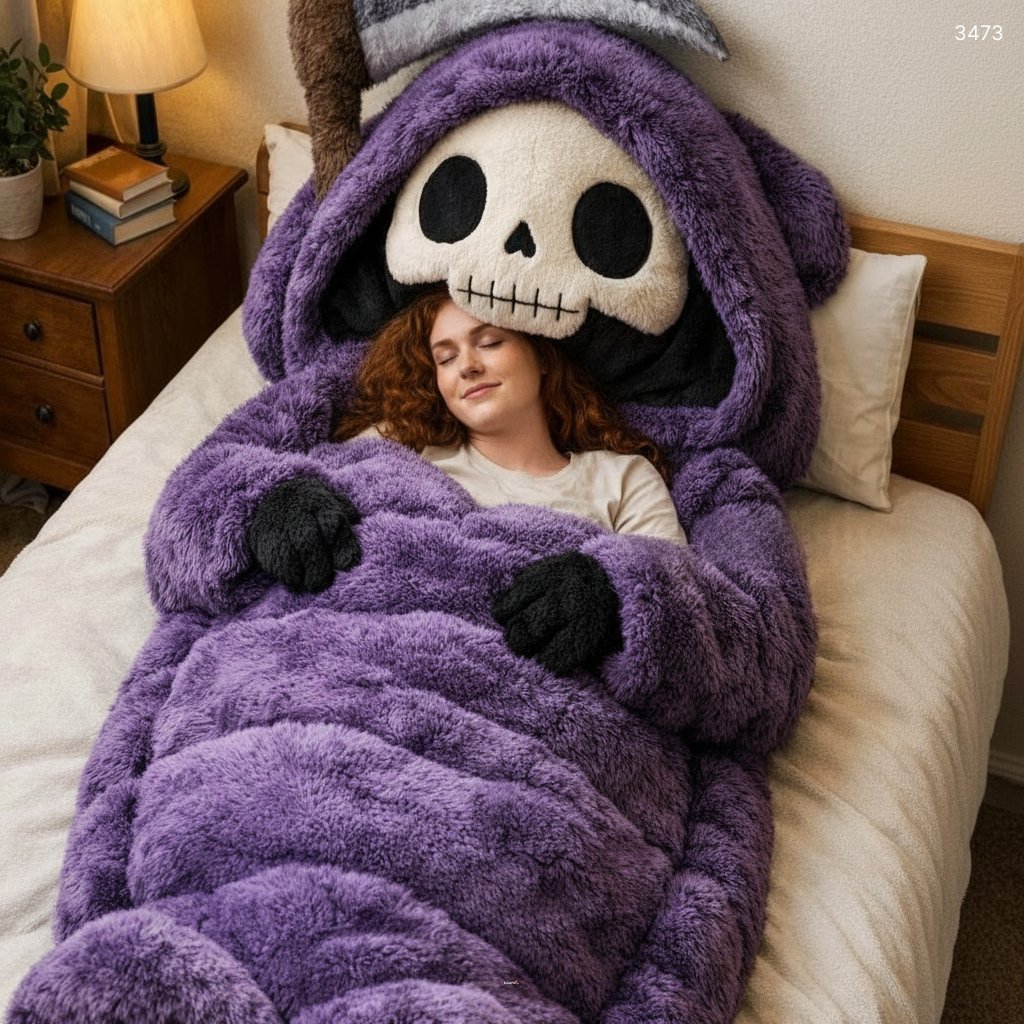
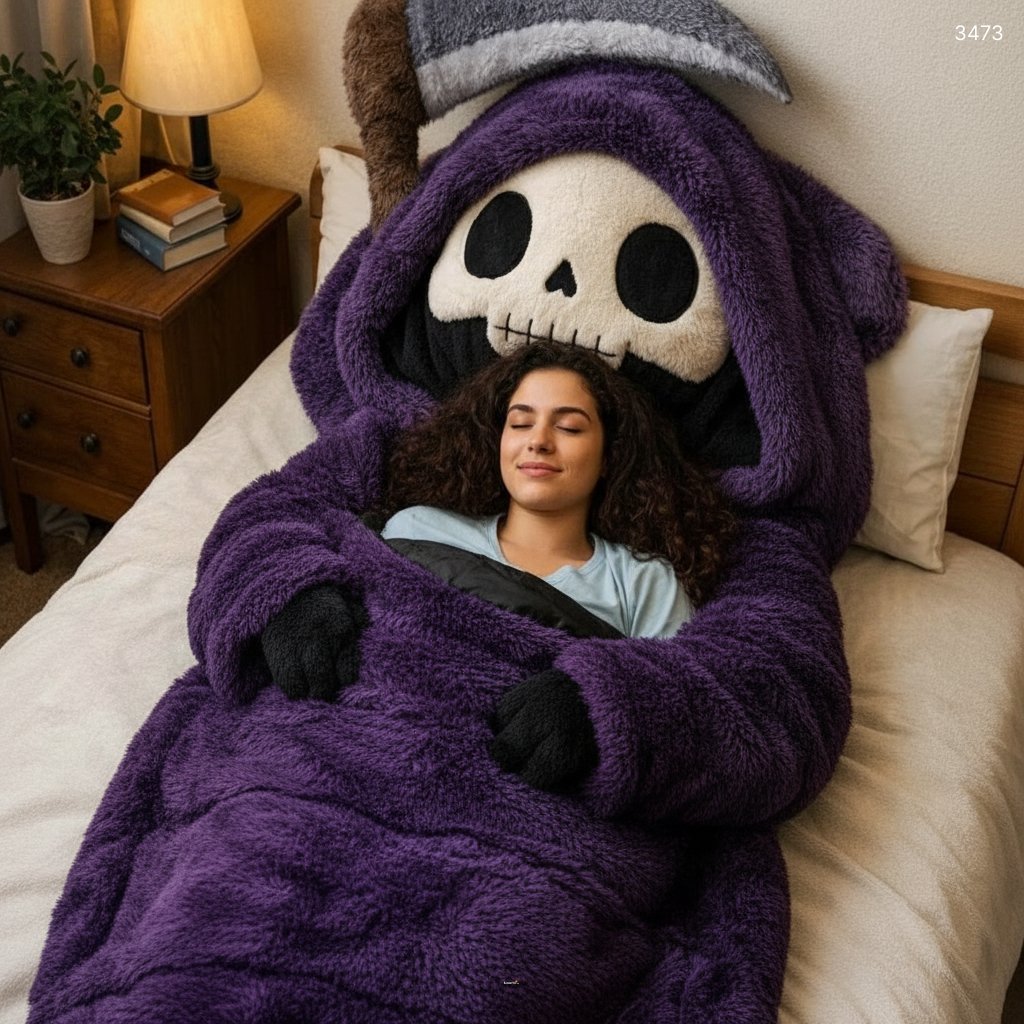
Imagine curling up at night not in a conventional sleeping bag, but inside a structure that evokes the solemn mystery of mortality — a Death Sleeping Bag. More than just a novelty item or a Halloween prop, this coffin-inspired sleep gear has emerged as a bold statement piece for those who live by dark aesthetics, celebrate gothic subcultures, or simply crave a sleep experience that defies the ordinary. It’s not about fear — it’s about fascination. It’s not about death as an end — but as a symbol, an art form, a lifestyle.
In this article, we’ll dive deep into the world of the Death Sleeping Bag, exploring its origins, design philosophy, cultural significance, psychological appeal, and how it transforms the mundane act of sleeping into a ritual of self-expression. Whether you’re a seasoned goth, a horror movie buff, a tattooed artist, or someone curious about alternative lifestyles, this guide will help you understand why this unusual sleep gear is more than just fabric and zippers — it’s a doorway to identity, comfort, and creative rebellion.
The Origins of the Death Sleeping Bag: Where Macabre Meets Comfort
The concept of the Death Sleeping Bag didn’t emerge from a corporate boardroom. Instead, it was born from underground fashion circles, DIY culture, and the ever-growing appetite for immersive experiences that blur the line between fantasy and reality. While sleeping bags have long been associated with camping, survival, and outdoor adventure, the Death Sleeping Bag flips that narrative entirely — turning the idea of “shelter” into something theatrical, symbolic, and deeply personal.
Early iterations appeared in niche online forums and goth marketplaces around the mid-2010s, often handmade by independent designers who fused elements of Victorian mourning attire, horror film props, and modern sleep technology. These early prototypes were crude — stitched together with velvet, adorned with faux bones or embroidered skulls — but they sparked a movement. People weren’t just buying them for fun; they were adopting them as part of their identity.
As social media platforms like Instagram and TikTok amplified visual storytelling, the Death Sleeping Bag found its stage. Users posted videos of themselves “rising from the grave” at sunrise, wrapping themselves in black satin linings, or posing dramatically inside their coffin-shaped sanctuaries. What began as a fringe curiosity became a symbol of belonging — for those who felt alienated by mainstream consumerism and sought comfort in the unconventional.

Design Philosophy: More Than Just a Shape — It’s a Statement
At first glance, the Death Sleeping Bag might seem like a gimmick — a sleeping bag shaped like a coffin, complete with pointed ends and maybe even a faux lid. But beneath the surface lies a carefully considered design language that speaks volumes about its users’ values, desires, and worldview.
The shape itself — elongated, tapered, and enclosed — mimics the traditional Western coffin, which carries centuries of cultural symbolism. In many traditions, the coffin represents transition, rest, and rebirth — not necessarily finality. By choosing to sleep within such a form, users are engaging in a kind of ritualistic reclamation of these symbols. They’re saying: “I am not afraid of what lies beyond. I embrace it. I make it mine.”
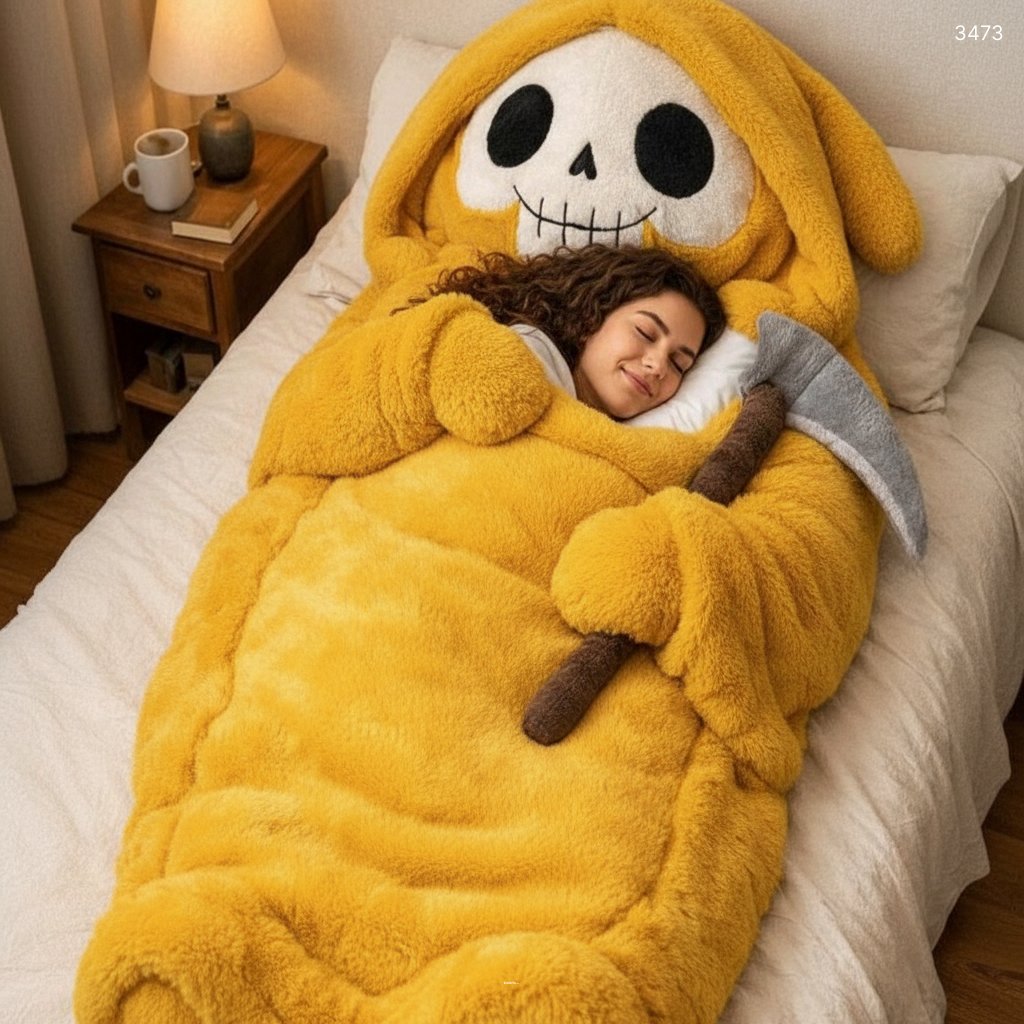
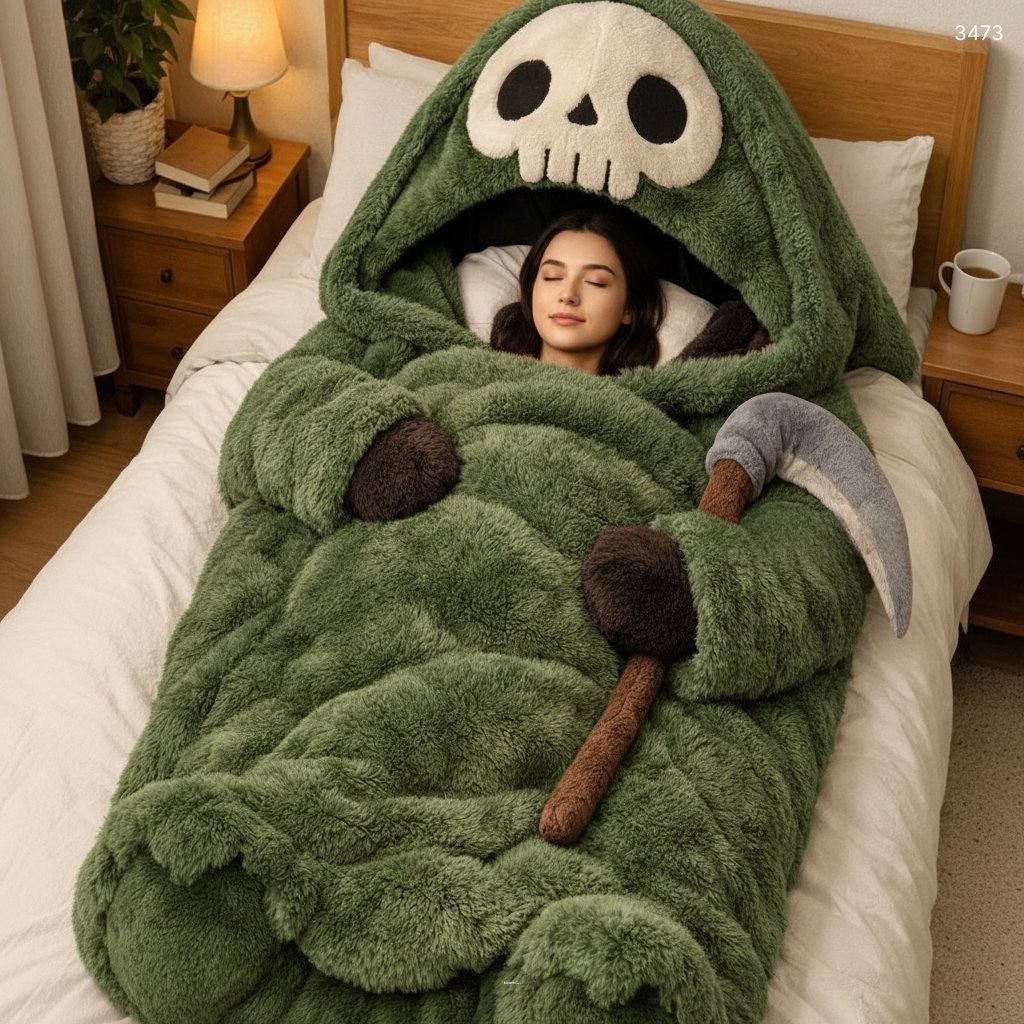
Materials vary widely depending on the maker, but most high-quality versions use soft, breathable fabrics like cotton blends, microfiber, or even plush velvet interiors. The exterior may be matte black, textured leatherette, or embroidered with gothic patterns — roses intertwined with thorns, crescent moons, ravens, or Celtic knots. Some feature removable hoods that resemble shrouds, while others include zipper pockets for books, phones, or candles (battery-operated, of course).
Functionality doesn’t take a backseat to aesthetics. Many models include ventilation flaps, adjustable headrests, and even internal lighting strips that glow softly in hues of purple, green, or blood red. This isn’t just about looking cool — it’s about creating a personalized sanctuary where one can retreat from the noise of the world and enter a state of quiet contemplation, dreamlike immersion, or meditative stillness.

Cultural Significance: Why the Death Sleeping Bag Resonates Today
In an age where mental health awareness is rising, digital overload is constant, and societal pressures feel heavier than ever, the Death Sleeping Bag offers something unexpected: permission to withdraw — not out of defeat, but out of intention. It’s a physical manifestation of boundaries, a declaration that rest is sacred, and that sometimes, the best way to recharge is to disappear — metaphorically, if not literally.
Gothic subculture has always embraced themes of death, decay, and beauty in darkness — not because its members are morbid, but because they find truth and catharsis in confronting the inevitable. The Death Sleeping Bag extends that ethos into daily life. It invites wearers to view sleep not as downtime, but as transformation — a nightly journey into the subconscious, where dreams become rituals and rest becomes renewal.
Moreover, in a world obsessed with productivity and optimization, the Death Sleeping Bag stands as a quiet rebellion. It refuses to conform to efficiency-driven ideals of sleep — no rigid mattresses, no smart alarms, no biometric tracking. Instead, it celebrates slowness, mystery, and sensory richness. You don’t just lie down — you settle in. You don’t just close your eyes — you surrender to the embrace of shadow and silence.
Psychological Appeal: The Comfort of Embracing the Uncomfortable
Why do people feel drawn to things that others might find unsettling? Psychology offers some compelling answers. The human mind is wired to seek meaning, especially in ambiguity. When we encounter objects or experiences that challenge our expectations — like sleeping inside a coffin-shaped bag — we engage in deeper cognitive processing. We question norms, reflect on mortality, and ultimately, gain a sense of control over what once seemed frightening.
This phenomenon is known as “mortality salience” — the awareness of one’s own death — and research suggests that when people confront this awareness consciously and creatively, they often experience increased self-esteem, greater authenticity, and enhanced emotional resilience. The Death Sleeping Bag provides a safe, tactile way to explore these feelings without trauma or anxiety.
For many users, the act of entering the bag becomes a mindfulness practice. As they zip themselves in, dim the lights, and breathe slowly, they enter a meditative space — almost like a sensory deprivation chamber, but warmer, softer, and more intimate. It’s not about escaping reality — it’s about reshaping it. In this cocoon of darkness and comfort, worries fade, racing thoughts slow, and the soul finds peace.
Some report improved sleep quality after using the Death Sleeping Bag, attributing it to the reduction of external stimuli and the psychological comfort of feeling protected — as if cradled by ancient rites or ancestral wisdom. Others describe vivid, lucid dreams, suggesting that the symbolic weight of the bag influences the subconscious in profound ways.

Who Is the Death Sleeping Bag For? Beyond Stereotypes
It’s easy to assume that only hardcore goths or horror fans would be interested in the Death Sleeping Bag. But the truth is far more nuanced. This sleep gear appeals to a wide spectrum of individuals — each with their own reasons for seeking solace in its dark embrace.
- Artists and Writers: Those who work in creative fields often require environments that stimulate imagination. The Death Sleeping Bag serves as both a literal and metaphorical womb — a place where ideas gestate, stories unfold, and inspiration strikes in the quiet hours of night.
- Mental Health Advocates: For those managing anxiety, PTSD, or insomnia, the enclosed nature of the bag can provide grounding pressure — similar to weighted blankets — helping regulate the nervous system and promote calm.
- Introverts and Sensory Seekers: People who are easily overwhelmed by noise, light, or social interaction may find refuge in the controlled environment the bag offers — a private universe where they can decompress and reset.
- Philosophers and Spiritual Explorers: Those who contemplate existential questions, practice meditation, or follow esoteric traditions may see the bag as a tool for inner journeying — a vessel for traversing the realms of psyche and spirit.
What unites all these groups is a desire for depth — not superficial comfort, but meaningful connection with oneself. The Death Sleeping Bag doesn’t ask you to change who you are; it asks you to honor who you already are — even if that includes loving darkness, embracing mystery, or finding beauty in endings.
The Ritual of Sleep: Transforming Bedtime Into Ceremony
Modern society treats sleep as a transaction — something we do to function tomorrow. But for many cultures throughout history, sleep was sacred — a time of prophecy, healing, and communion with ancestors. The Death Sleeping Bag revives this ancient perspective by transforming bedtime into a ritual.
Users often develop personal routines around their use of the bag. Some light incense before entering, whisper affirmations, or play ambient soundscapes — forest winds, distant thunder, or Gregorian chants. Others journal before zipping up, setting intentions for the night ahead. A few even treat the moment of entry as symbolic — closing the zipper like sealing a tomb, then reopening it at dawn as rebirth.
This ritualization adds layers of meaning to the simple act of sleeping. It turns rest into reverence, fatigue into surrender, and vulnerability into strength. In doing so, it challenges the notion that sleep must be passive — instead, it becomes active, intentional, and deeply personal.
Living With the Death Sleeping Bag: Integration Into Daily Life
You might wonder — how does one actually live with a Death Sleeping Bag? Does it belong only in dorm rooms or haunted houses? Not at all. Many users integrate it seamlessly into their homes, styling it alongside minimalist decor, vintage furniture, or even bohemian textiles. Its aesthetic versatility allows it to blend in — or stand out — depending on preference.
Some use it during nap times, others exclusively at night. A few incorporate it into meditation sessions or creative brainstorming periods — lying still, letting thoughts drift, allowing intuition to rise. Parents have even reported using smaller versions for children who love spooky themes, turning bedtime into a playful adventure rather than a struggle.
The key is intentionality. The Death Sleeping Bag isn’t meant to replace conventional bedding permanently — unless you want it to. It’s a tool, a companion, a mirror reflecting your inner landscape. Use it when you need to retreat, recharge, or reconnect with yourself.
Conclusion: The Death Sleeping Bag as a Mirror of Modern Soul
The Death Sleeping Bag is more than fabric and foam. It’s a vessel of meaning, a canvas for identity, and a sanctuary for the soul. In a world that often demands conformity, productivity, and constant visibility, it offers a radical alternative: the freedom to disappear, to rest deeply, to embrace shadows without shame.
It speaks to those who find poetry in decay, power in silence, and peace in the unknown. It reminds us that sleep is not merely biological — it’s spiritual, emotional, and deeply human. And perhaps most importantly, it proves that even in the darkest corners of our imagination, there is room for comfort, creativity, and profound self-discovery.
So whether you’re drawn to its gothic elegance, its psychological depth, or its sheer uniqueness — know this: the Death Sleeping Bag isn’t about ending life. It’s about enriching it. One peaceful, mysterious, beautifully strange night at a time.
NOTE: All images in this post are AI-generated and intended solely for inspiration. These are not real products available for sale, and we do not operate any online store or website for purchases.