In the world of modern interior design, innovation is constantly pushing the boundaries of what furniture can be. Among the most imaginative and refreshing trends to emerge in recent years are vegetable inspired sofas—a bold fusion of organic forms, artistic expression, and functional comfort. These unique pieces, often referred to as vegetable sofas, are more than just seating; they are sculptural homages to the beauty of nature, transforming everyday produce into extraordinary living room centerpieces.
The idea of designing furniture inspired by vegetables might initially seem whimsical or even surreal, but it reflects a deeper cultural shift toward biophilic design—the practice of integrating natural elements into indoor environments to promote well-being, creativity, and emotional balance. As people increasingly seek ways to reconnect with nature in their urban lives, vegetable sofas offer a playful yet meaningful solution. They bring the freshness, color, and form of the garden directly into the home, creating spaces that feel alive, vibrant, and harmonious.
This article explores the world of vegetable sofas in depth, focusing on their creative design inspiration, individual vegetable-based styles, functional benefits, ideal placement in the home, and essential care tips. From the sleek elegance of a cucumber-shaped sofa to the vibrant drama of a chili pepper-shaped design, each piece tells a story of nature’s artistry and human ingenuity.
The Creative Inspiration Behind Vegetable Sofas
The concept of vegetable sofas stems from a desire to blur the lines between art, nature, and utility. Designers are increasingly looking beyond traditional geometric shapes and embracing the organic, asymmetrical, and colorful forms found in the plant kingdom. Vegetables, with their diverse textures, shapes, and hues, provide an endless source of inspiration.
These sofas are not literal replicas of vegetables but artistic interpretations that capture their essence—whether it’s the plump roundness of a tomato, the layered complexity of a cabbage, or the spiky energy of a chili pepper. The goal is not mimicry, but celebration: honoring the natural world through design that is both functional and emotionally uplifting.
This movement is part of a broader trend toward sustainable, nature-integrated living. By drawing from the vegetable garden, designers are making a statement about simplicity, health, and environmental awareness. The resulting pieces are not only visually striking but also serve as daily reminders of the beauty and abundance of the earth.
Exploring the Most Popular Vegetable Sofa Designs
Cucumber-Shaped Sofa: Cool, Long, and Refreshing
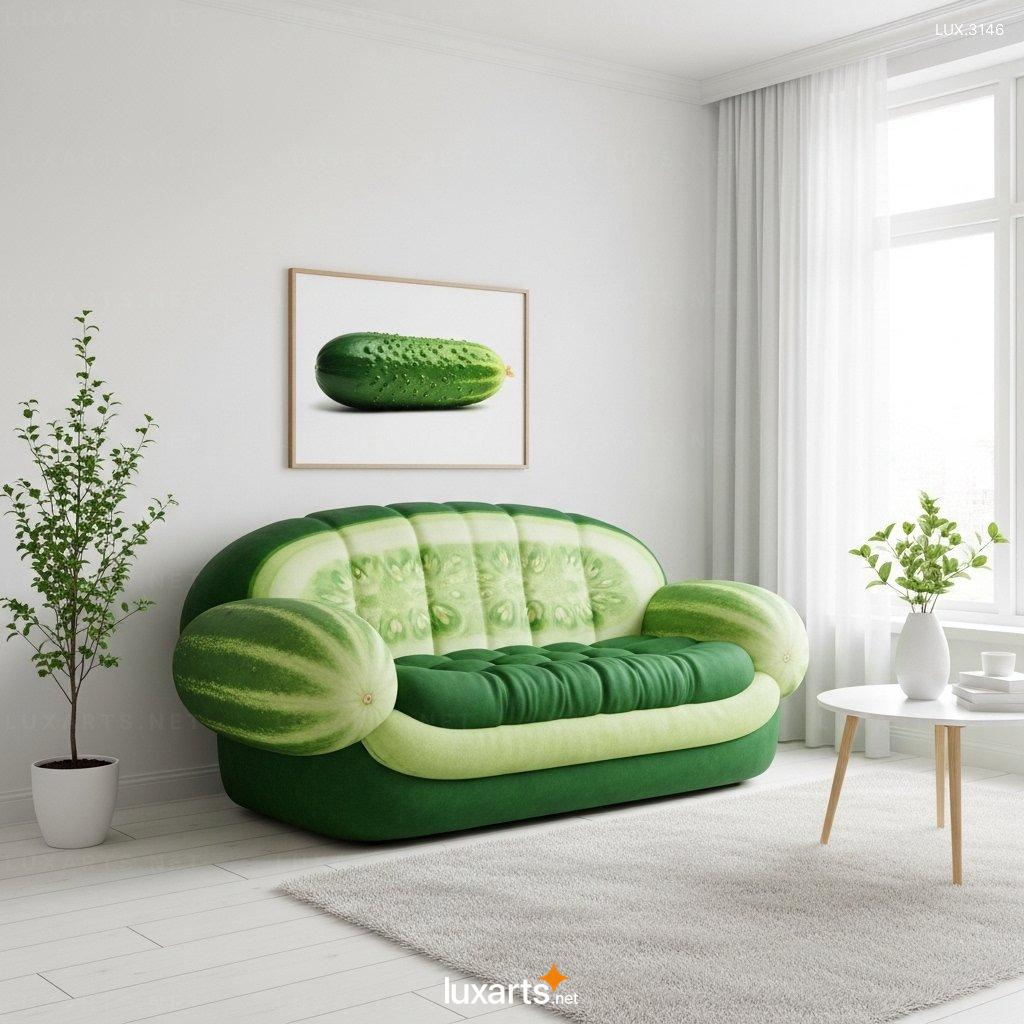
Inspired by the elongated, smooth form of a fresh cucumber, this sofa design emphasizes clean lines and a sleek silhouette. Typically designed in light green or soft pastel tones, the cucumber-shaped sofa evokes a sense of coolness and calm. Its long, narrow profile makes it ideal for small spaces, hallways, or as a statement bench in a sunroom.
The design often features a gently curved backrest and a firm yet comfortable seat, mimicking the taut skin and crisp interior of the vegetable. The minimalist aesthetic pairs well with Scandinavian, modern, or coastal decor styles, bringing a refreshing, spa-like ambiance to any room.
Bell Pepper-Shaped Sofa: Colorful and Geometric
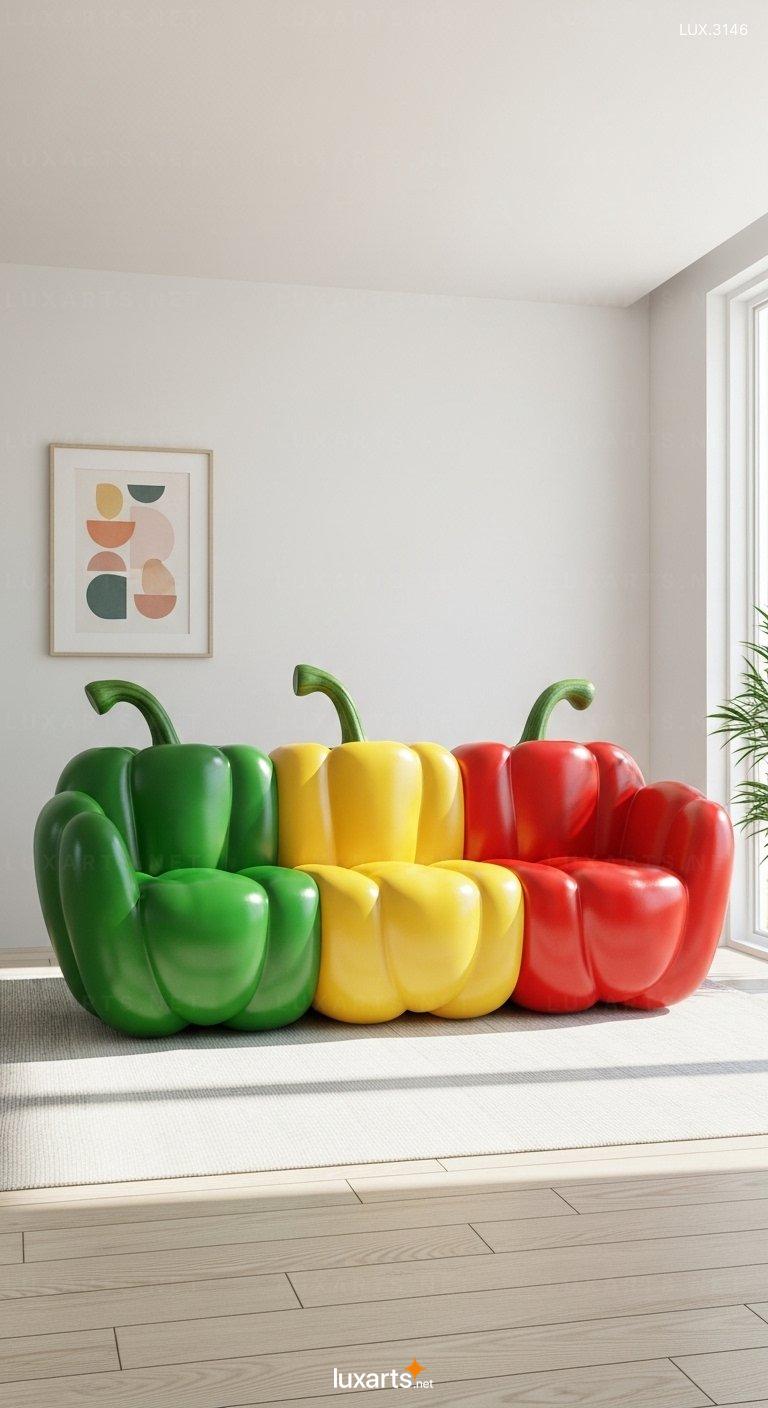
The bell pepper-shaped sofa takes its cue from the vegetable’s distinctive angular form and vibrant color palette—ranging from bright red and yellow to deep green and purple. These sofas often feature a boxy yet rounded silhouette with a slightly tapered top, echoing the natural shape of a pepper.
Available in bold, saturated hues, this design is perfect for adding a pop of color to neutral interiors. The structured geometry provides excellent lumbar support, while the plush cushioning ensures comfort. It’s a favorite in contemporary and eclectic living rooms, where it serves as both a functional seat and a work of art.
Eggplant-Shaped Sofa: Elegant and Mysterious
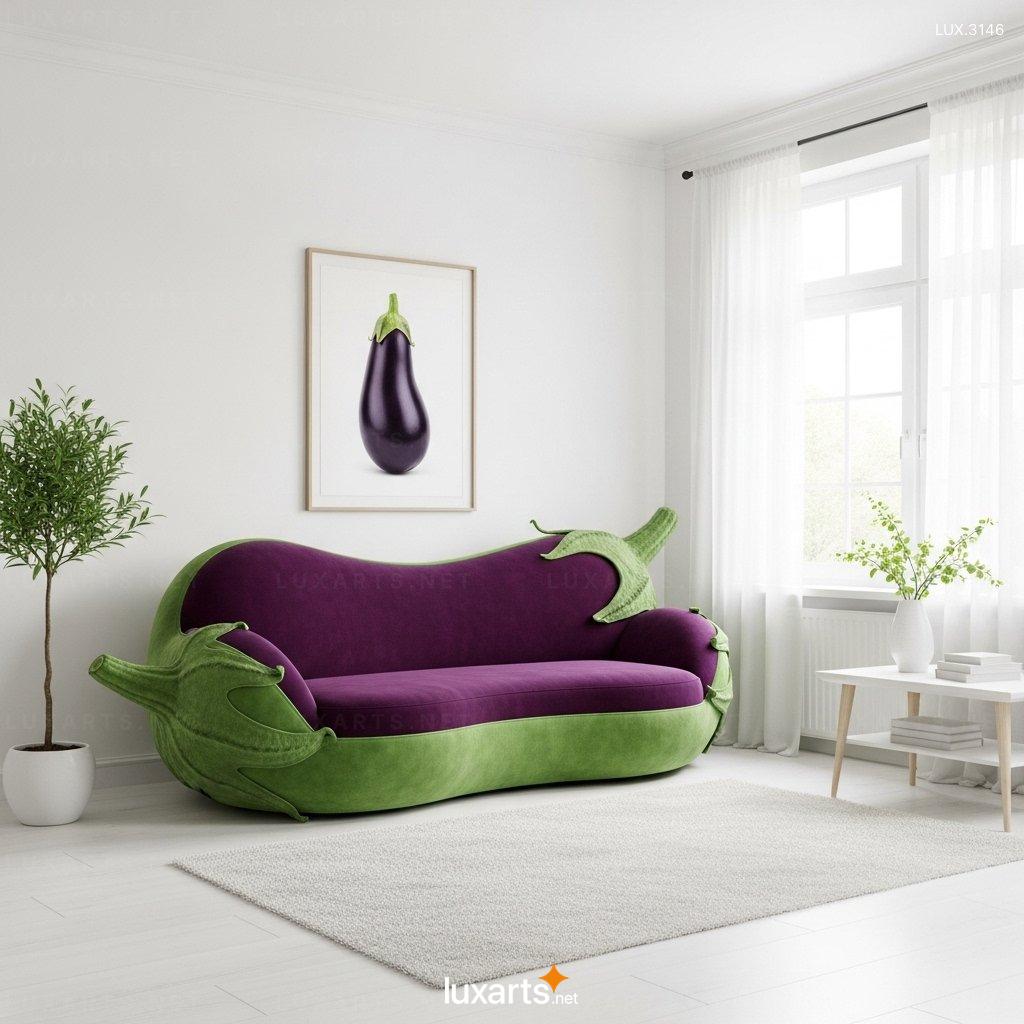
With its deep purple tones and smooth, curved silhouette, the eggplant-shaped sofa exudes sophistication and elegance. The design typically features a rounded, elongated body with a slightly bulbous base, resembling the natural taper of an eggplant.
Often upholstered in rich velvet or soft microfiber, this sofa brings a luxurious, almost regal feel to a space. It pairs beautifully with gold accents, marble surfaces, or dark wood furniture, making it a standout piece in bohemian, glam, or modern interiors.
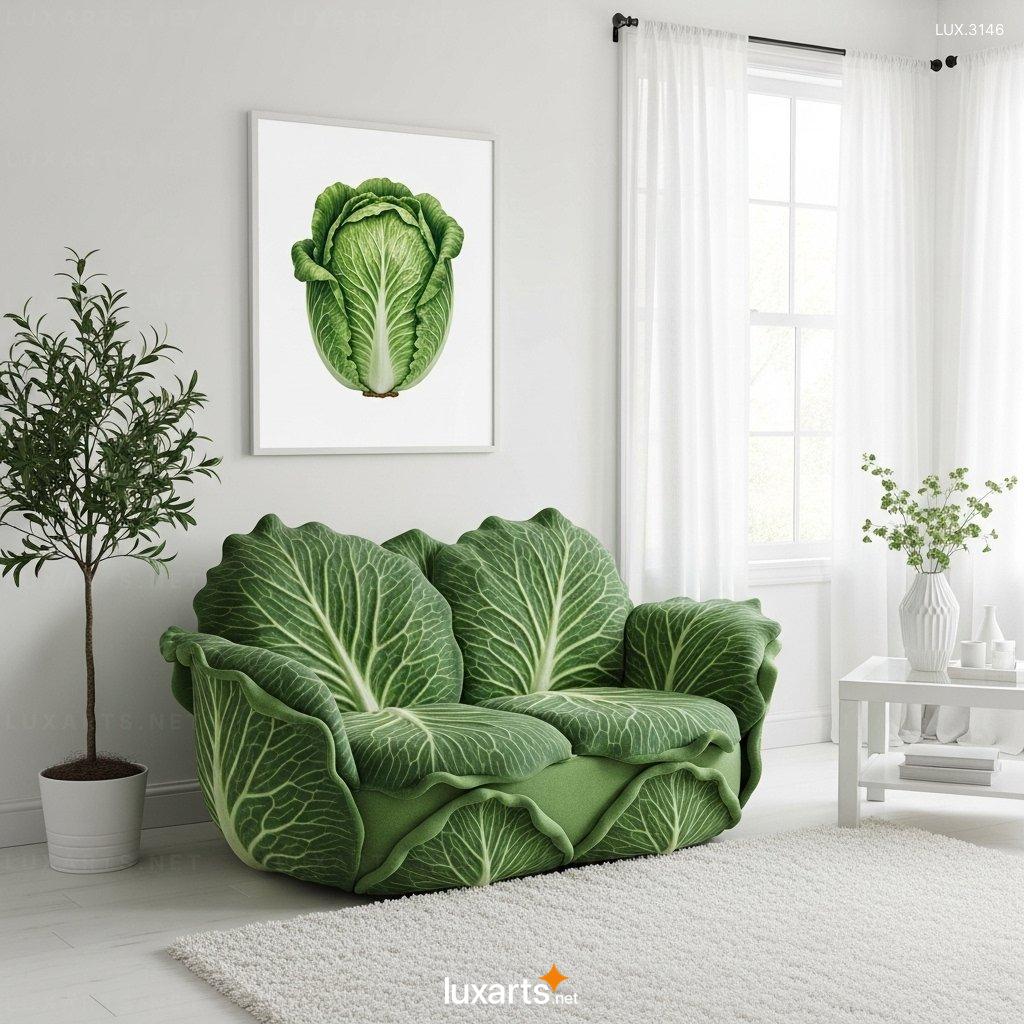
Lettuce-Shaped Sofa: Soft, Layered, and Organic
The lettuce-shaped sofa captures the delicate, ruffled layers of leafy greens like romaine or butter lettuce. This design is characterized by multiple overlapping cushions or fabric folds that create a soft, undulating surface—reminiscent of crisp lettuce leaves.
Usually rendered in shades of green, white, or cream, this sofa offers a light, airy feel. Its plush, cloud-like appearance makes it ideal for relaxation areas, reading nooks, or children’s playrooms. The texture invites touch, adding a tactile dimension to the room’s sensory experience.
Cabbage-Shaped Sofa: Textured and Sculptural
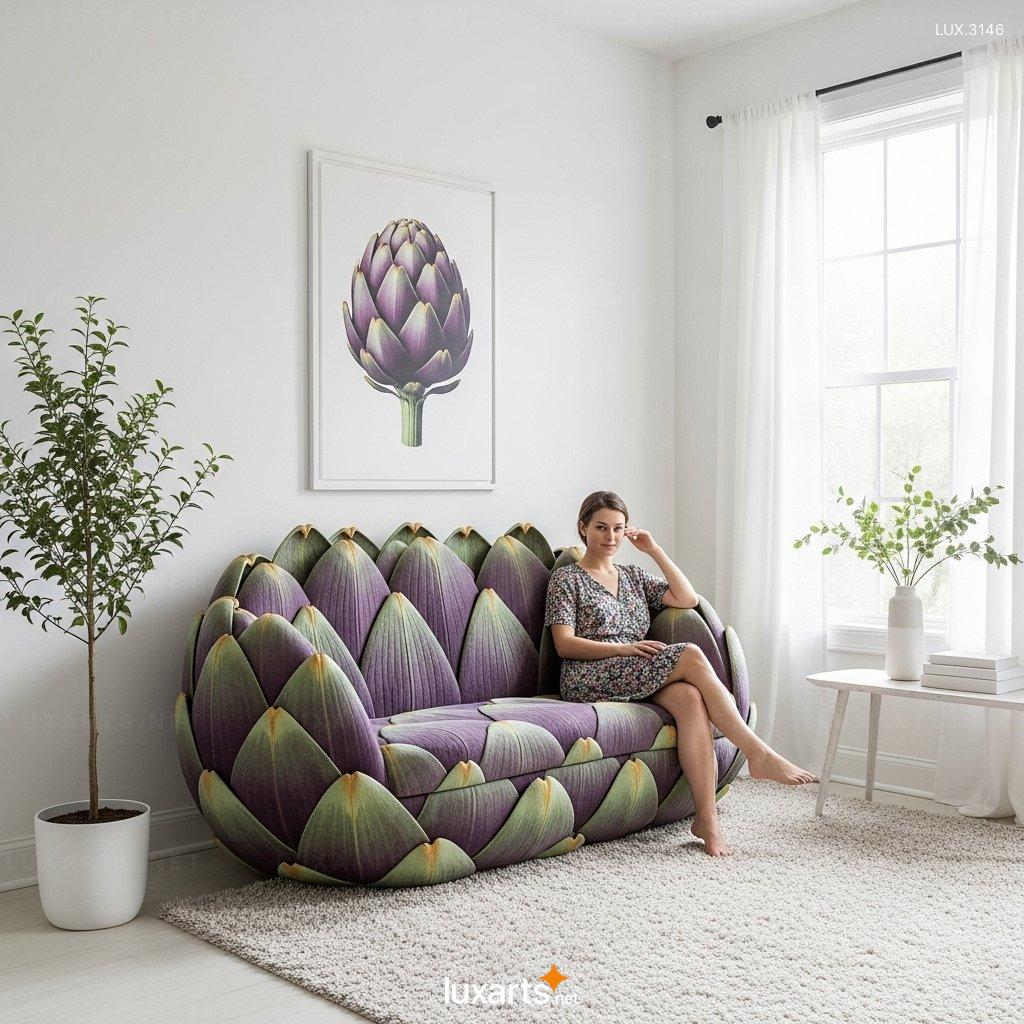
Taking inspiration from the tightly packed, layered head of a cabbage, this sofa is a true sculptural masterpiece. The cabbage-shaped sofa features concentric rings of cushioning or molded foam that spiral outward, creating depth and visual interest.
The design often uses textured fabrics like bouclé or quilted materials to enhance the layered effect. Its rounded, voluminous form makes it a focal point in any room, perfect for minimalist or art-forward spaces where furniture doubles as art.
Tomato-Shaped Sofa: Round, Juicy, and Inviting
The tomato-shaped sofa is a celebration of roundness and warmth. Designed to resemble a ripe, plump tomato, it features a domed backrest and a wide, inviting seat. The vibrant red upholstery—sometimes with subtle stitching to mimic the tomato’s natural seams—adds a cheerful, energetic vibe.
This design is excellent for social spaces, encouraging conversation and connection. Its compact yet spacious form fits well in apartments, game rooms, or as a cozy corner seat in a family room.
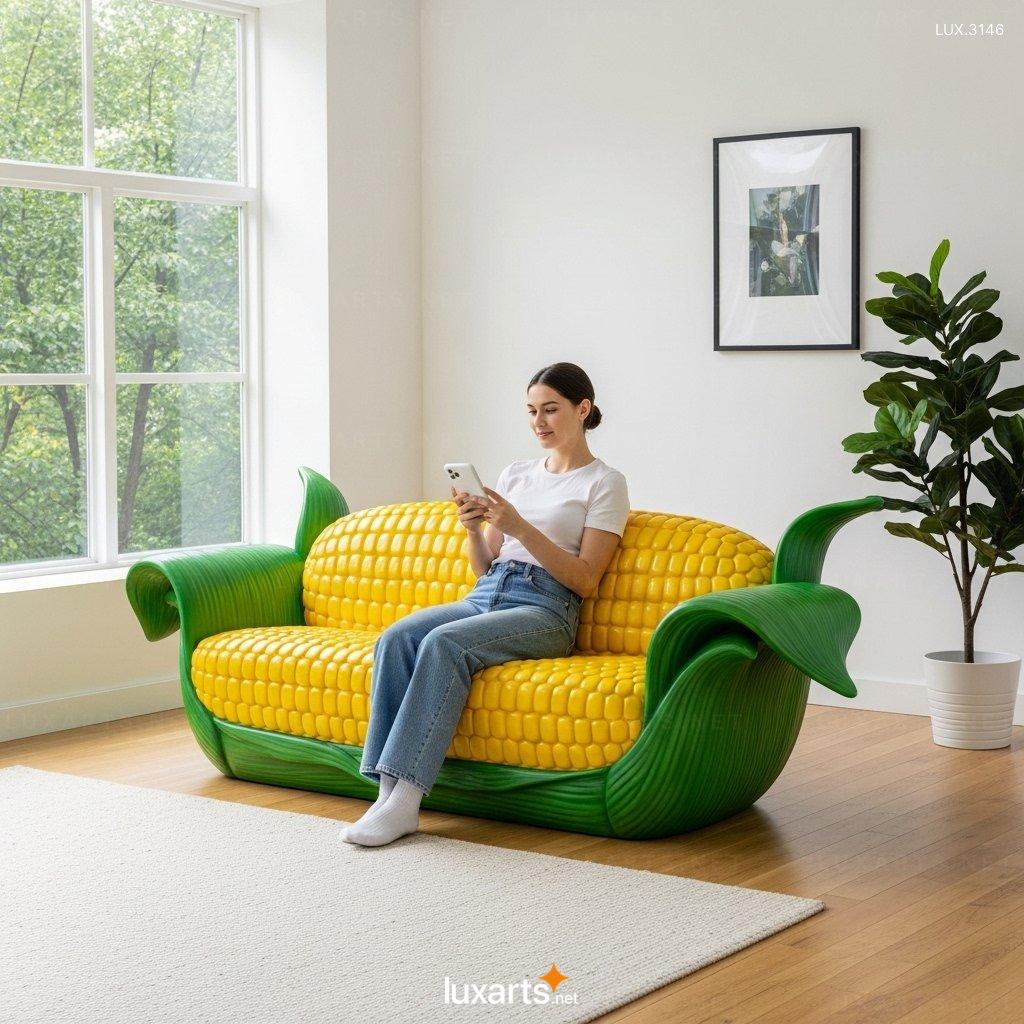
Corn-Shaped Sofa: Linear and Playful
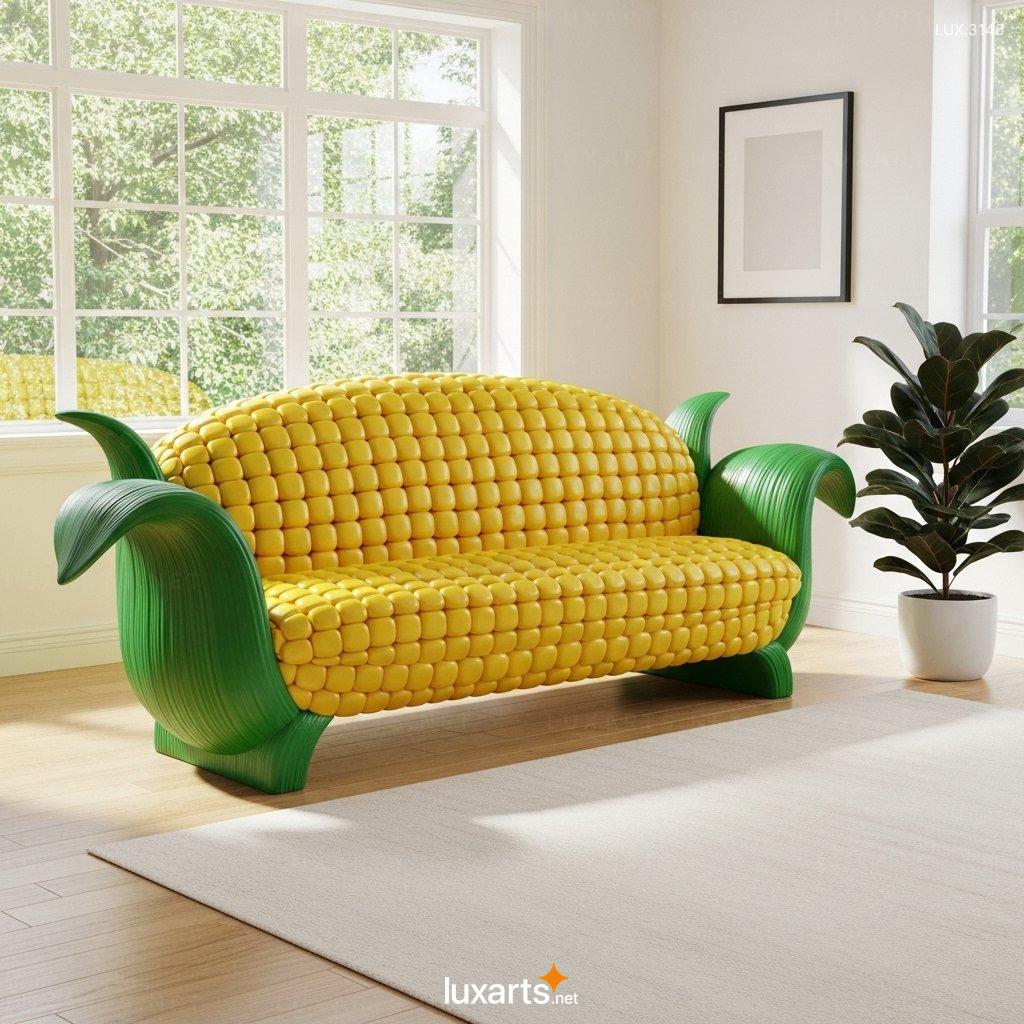
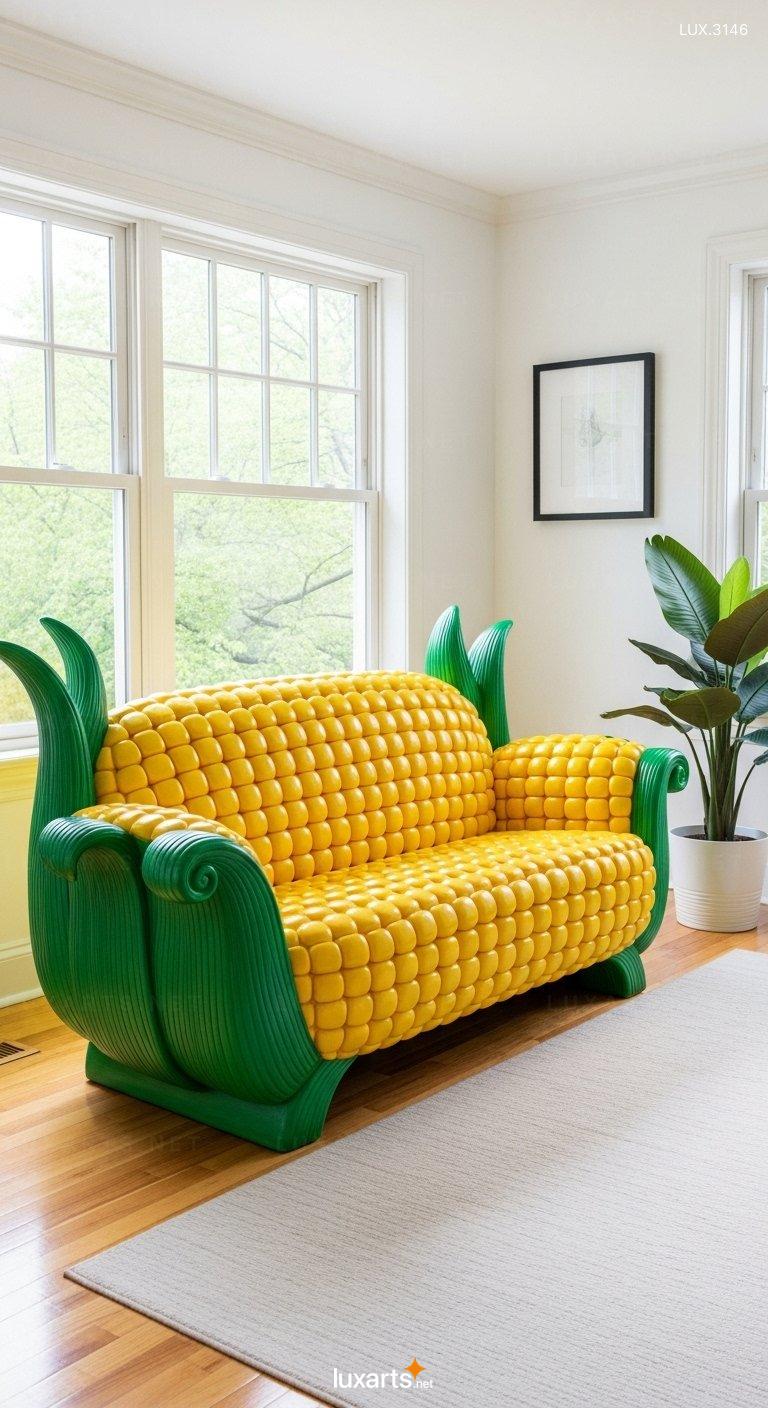
The corn-shaped sofa draws from the orderly rows of kernels on a cob. This design often features a long, cylindrical base with segmented cushioning that mimics the pattern of corn kernels. The color palette typically includes golden yellow, creamy white, and soft green accents.
The linear form makes it ideal for long walls or as a bench in a dining nook. Its playful aesthetic is especially popular in kitchens, breakfast areas, or homes with a retro or farmhouse theme.
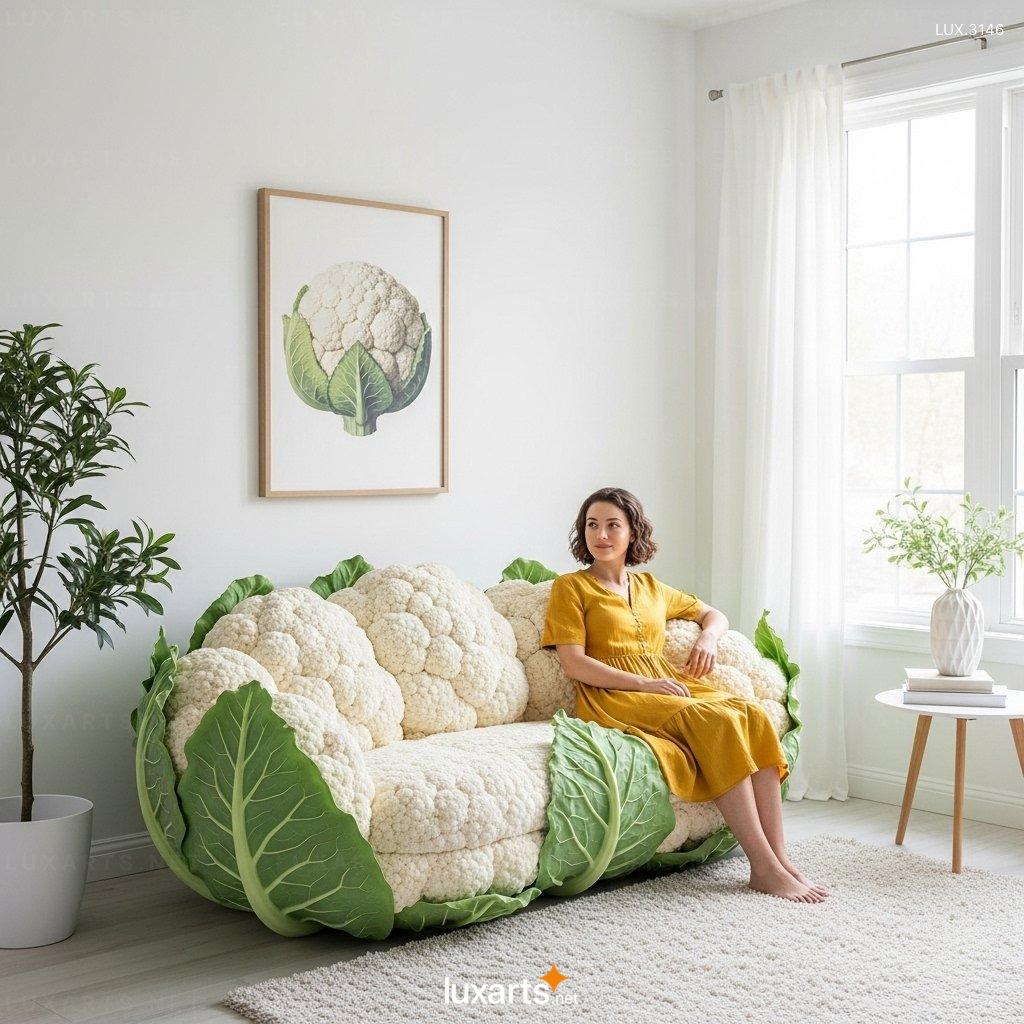
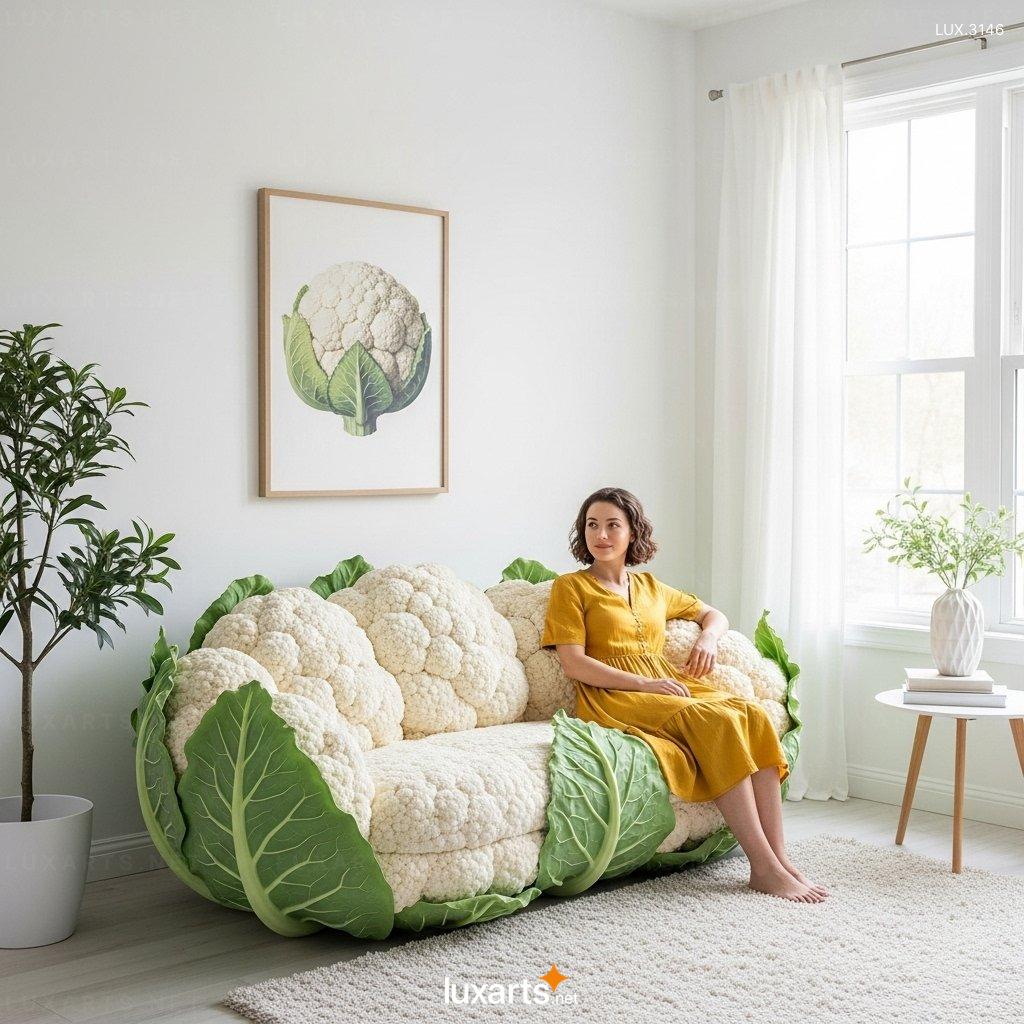
Cauliflower-Shaped Sofa: Whimsical and Cloud-Like
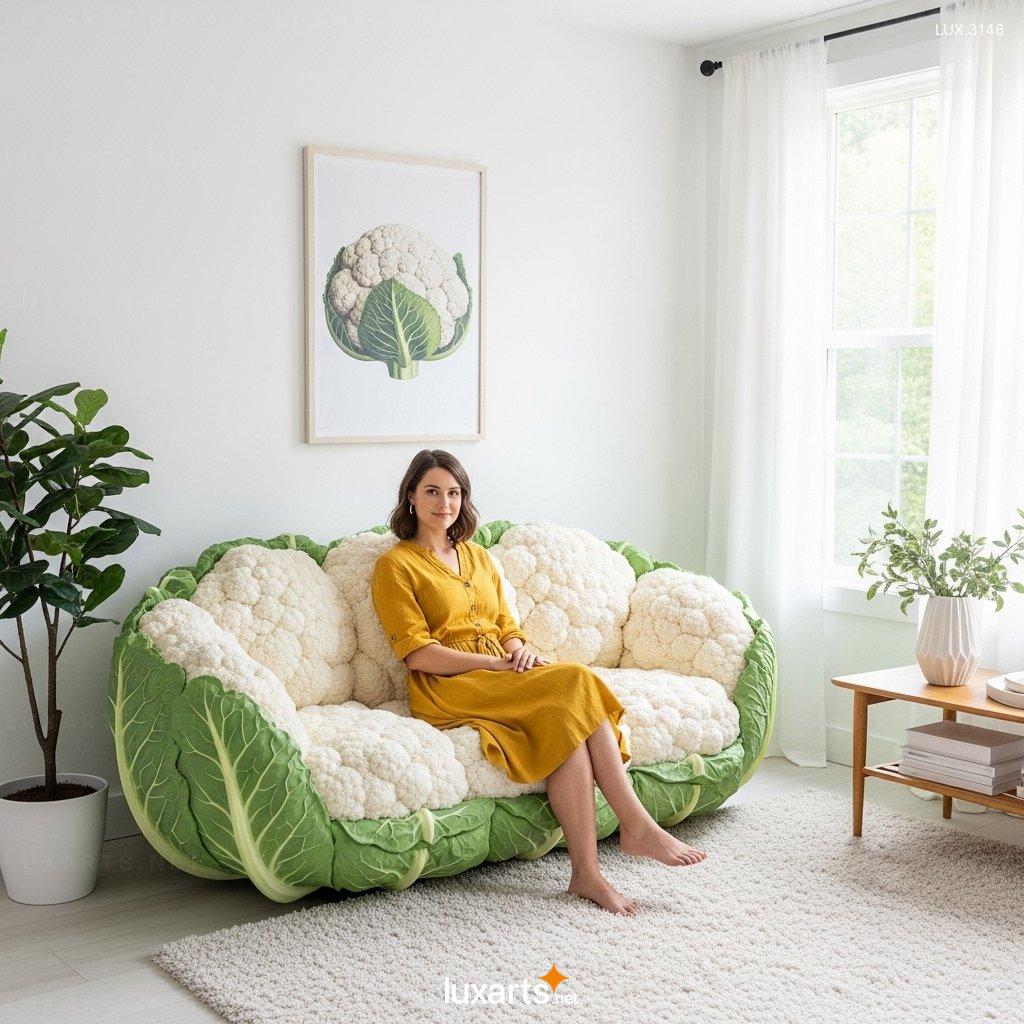
The cauliflower-shaped sofa is one of the most imaginative designs, capturing the vegetable’s fractal-like, clustered florets. The sofa is made up of multiple small, rounded cushions arranged in a seemingly random yet harmonious pattern, creating a soft, cloud-like appearance.
Often upholstered in off-white, cream, or pale gray, this sofa feels light and dreamy. It’s perfect for meditation corners, nurseries, or modern lounges where comfort and visual softness are prioritized.
Broccoli-Shaped Sofa: Textured and Dynamic
The broccoli-shaped sofa embraces the vegetable’s rugged, tree-like structure. This design features multiple upward-pointing cushion clusters that resemble broccoli florets, often in deep green or forest tones.
The textured surface adds visual and tactile interest, making it a favorite in creative studios, children’s rooms, or eco-conscious homes. Its dynamic form encourages movement and interaction, making it both functional and fun.
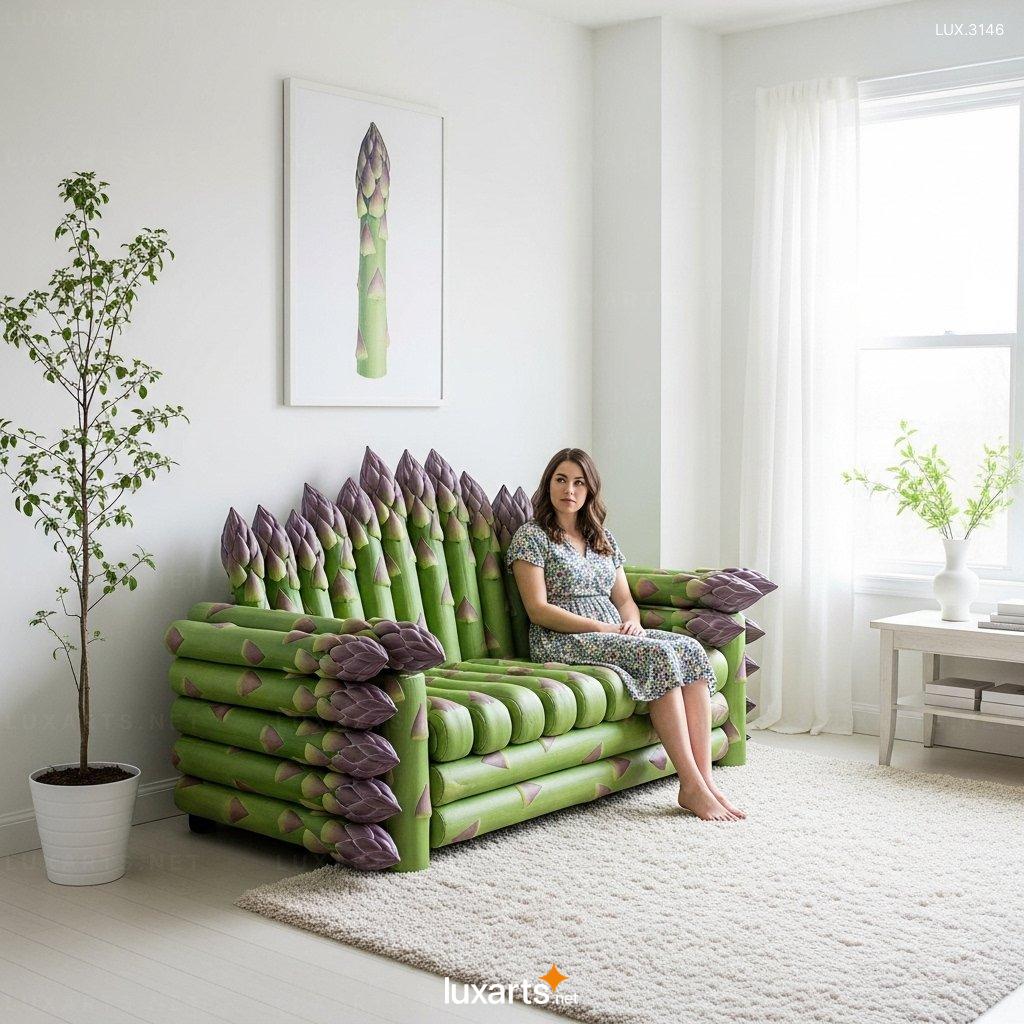
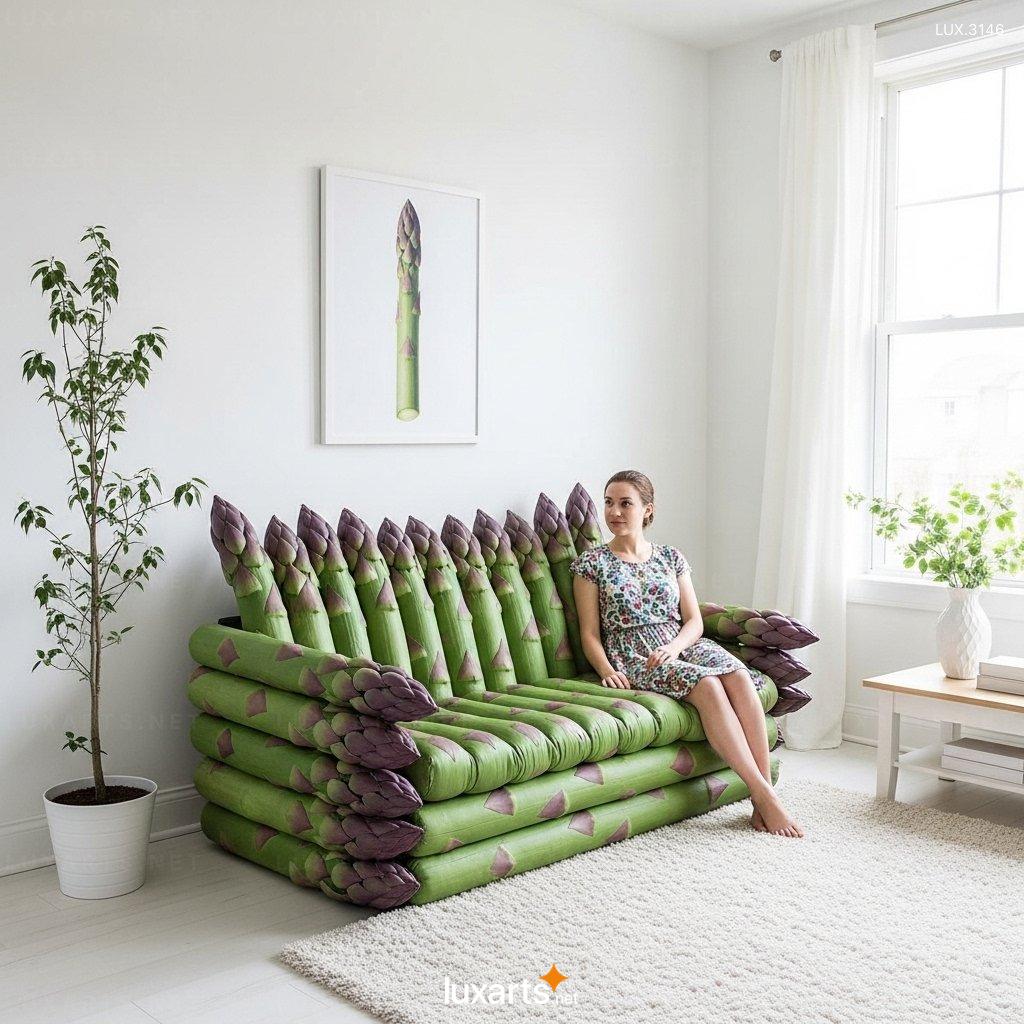
Asparagus-Shaped Sofa: Sleek and Vertical
The asparagus-shaped sofa stands out for its tall, slender profile—mirroring the long, straight stalks of fresh asparagus. This vertical design is ideal for narrow spaces or as a modern accent piece.
Typically designed in green or neutral tones, it features a firm backrest and a compact seat, making it perfect for entryways, hallways, or beside a tall bookshelf. Its minimalist form fits seamlessly into contemporary or Japanese-inspired interiors.
Chili Pepper-Shaped Sofa: Bold and Fiery
For those who love drama, the chili pepper-shaped sofa delivers. Inspired by the sharp, tapered form of a hot pepper, this design features a curved backrest that rises to a pointed top, symbolizing energy and passion.
Available in red, orange, or even deep purple, it’s a statement piece that commands attention. Often used in entertainment rooms, bars, or modern lofts, it adds a touch of spice—literally and figuratively—to any space.
Benefits of Vegetable Sofas in Home Decor
Aesthetic Appeal and Uniqueness
Vegetable sofas instantly elevate a room’s visual interest. Their unconventional shapes and natural color palettes break the monotony of standard furniture, making them conversation starters and focal points.
Emotional and Psychological Well-Being
Studies in environmental psychology show that exposure to natural forms and colors reduces stress and enhances mood. Vegetable sofas, with their organic shapes and earthy tones, create calming, joyful environments that support mental well-being.
Encouraging Creativity and Playfulness
These sofas inspire imagination, especially in children. A broccoli-shaped seat or a tomato-red couch can spark storytelling, role-playing, and a deeper appreciation for nature and healthy eating.
Promoting Sustainable Design Values
By drawing inspiration from nature, vegetable sofas align with eco-conscious living. They encourage a mindset of sustainability, simplicity, and respect for the environment—values increasingly important in modern design.
Ideal Places to Use Vegetable Sofas
Living Rooms and Lounges
As centerpieces, vegetable sofas add character and warmth to living areas. A cabbage-shaped sofa or bell pepper design can anchor a conversation zone, while a tomato-shaped sofa invites cozy gatherings.
Children’s Rooms and Play Areas
The playful nature of these designs makes them perfect for kids’ spaces. A broccoli-shaped sofa or corn-inspired bench turns a bedroom into an imaginative wonderland.
Reading Nooks and Meditation Corners
Softer designs like the lettuce or cauliflower sofa are ideal for quiet retreats. Their plush, enveloping forms promote relaxation and mindfulness.
Entryways and Hallways
Slim designs like the asparagus or cucumber sofa work well in narrow spaces, offering seating without sacrificing flow.
Creative Studios and Offices
In design studios or home offices, vegetable sofas stimulate creativity and break the rigidity of traditional furniture, fostering a more open, innovative mindset.
Maintenance Tips for Vegetable Sofas
To keep your vegetable sofas looking fresh and vibrant, follow these care guidelines:
- Regular Vacuuming: Use a soft brush attachment to clean textured surfaces like those on cauliflower or broccoli designs.
- Spot Cleaning: Address spills immediately with a mild detergent and damp cloth. Avoid harsh chemicals that may damage fabric or color.
- Sunlight Protection: Place sofas away from direct sunlight to prevent fading, especially for brightly colored pieces like chili pepper or tomato.
- Fabric Rotation: For multi-cushion designs (e.g., cabbage or lettuce), rotate cushions periodically to ensure even wear.
- Professional Cleaning: For deep cleaning, consult a professional upholstery service familiar with sculptural or custom furniture.
- Moisture Control: Keep humidity levels balanced to prevent mold, especially in plush, layered designs.
Styling Tips: How to Decorate Around Vegetable Sofas
- Complementary Colors: Pair green vegetable sofas with earthy tones like terracotta, beige, or warm wood. Red or purple designs pop against neutral or monochrome backgrounds.
- Natural Materials: Enhance the organic theme with wooden tables, jute rugs, and ceramic accessories.
- Botanical Accents: Add potted plants, fresh flowers, or framed botanical prints to reinforce the nature-inspired theme.
- Minimalist Pairing: Let the sofa be the star. Keep surrounding furniture simple and uncluttered to avoid visual overload.
- Lighting: Use soft, warm lighting to highlight textures and colors, creating a cozy, inviting atmosphere.
The Future of Vegetable-Inspired Furniture
As biophilic design gains momentum, we can expect to see even more innovative vegetable sofas entering the market. Advances in sustainable materials, 3D modeling, and eco-friendly manufacturing will allow designers to create even more realistic and comfortable pieces.
Future iterations may include modular vegetable sofas—where cucumber and pepper sections connect to form larger seating arrangements—or smart versions with built-in climate control and adaptive shapes.
Moreover, the educational potential of these designs is vast. In schools, therapy centers, and public spaces, vegetable sofas can be used to teach about nutrition, sustainability, and the joy of nature.
Conclusion: Embracing Nature Through Design
Vegetable inspired sofas are more than a passing trend—they are a testament to the enduring connection between humans and the natural world. By transforming humble vegetables into functional art, designers are redefining what furniture can be: not just something to sit on, but something to inspire, comfort, and delight.
Whether you choose a crisp cucumber-shaped sofa, a plump tomato design, or a fluffy cauliflower piece, you’re bringing a piece of the garden into your home. You’re choosing creativity over convention, joy over monotony, and nature over artificiality.
In a world that often feels disconnected from the earth, vegetable sofas offer a refreshing reminder of the beauty that grows all around us. They invite us to slow down, appreciate the simple things, and live in harmony with nature—one stylish, comfortable seat at a time.
NOTE: All images in this post are AI-generated and intended solely for inspiration. These are not real products available for sale, and we do not operate any online store or website for purchases.