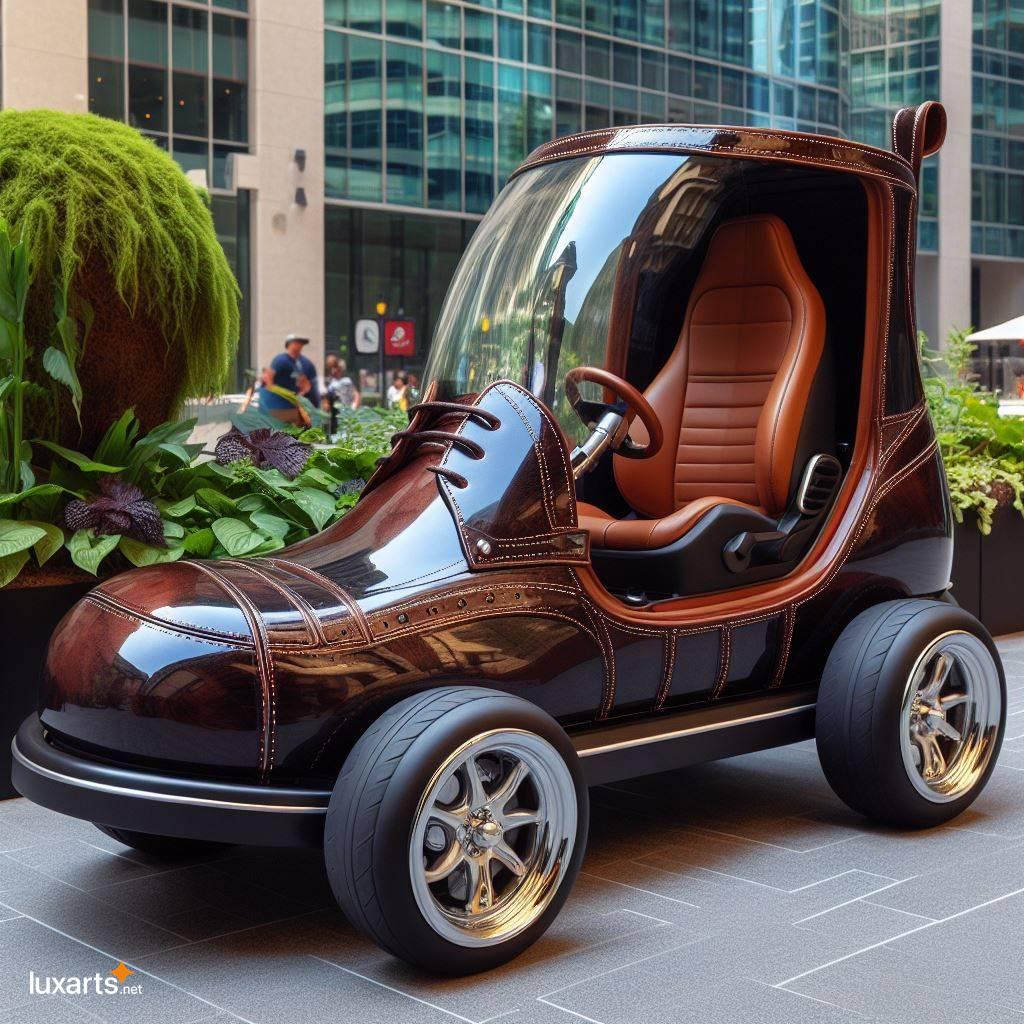
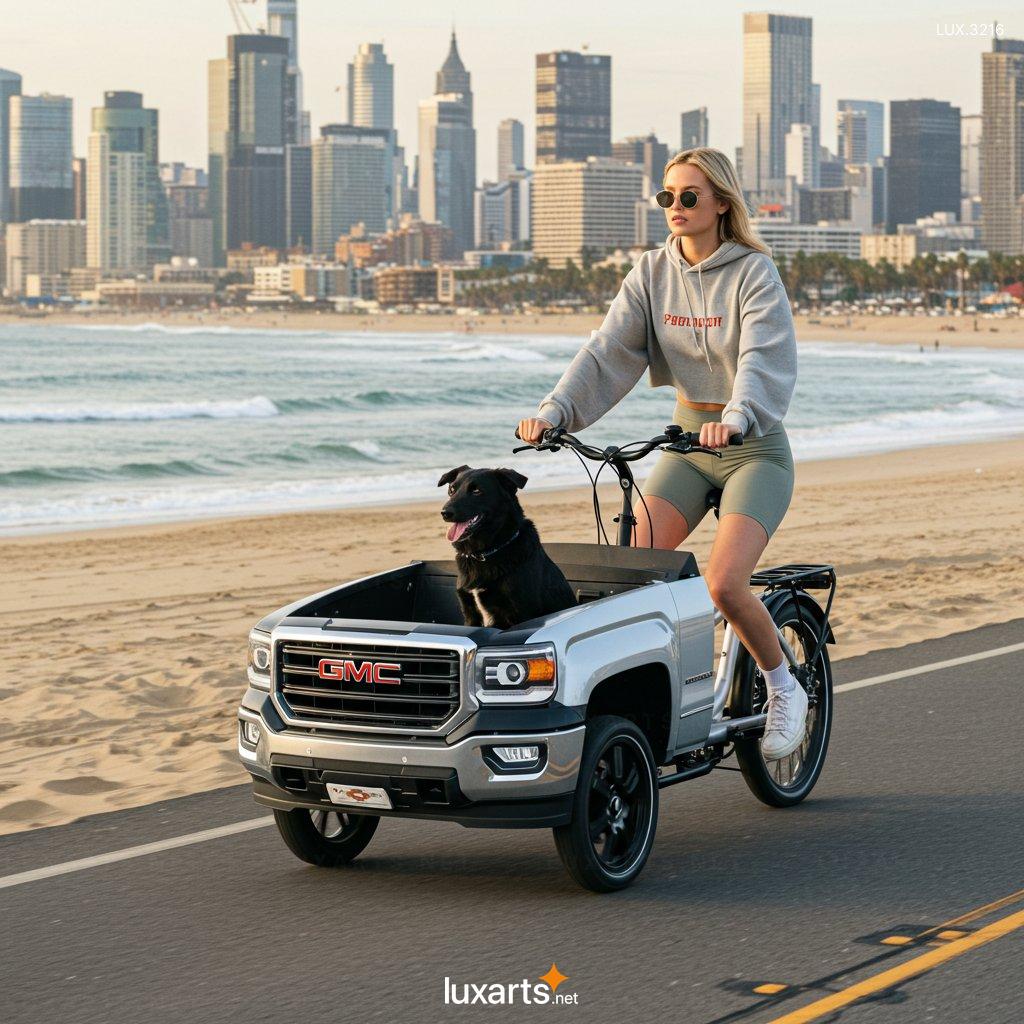
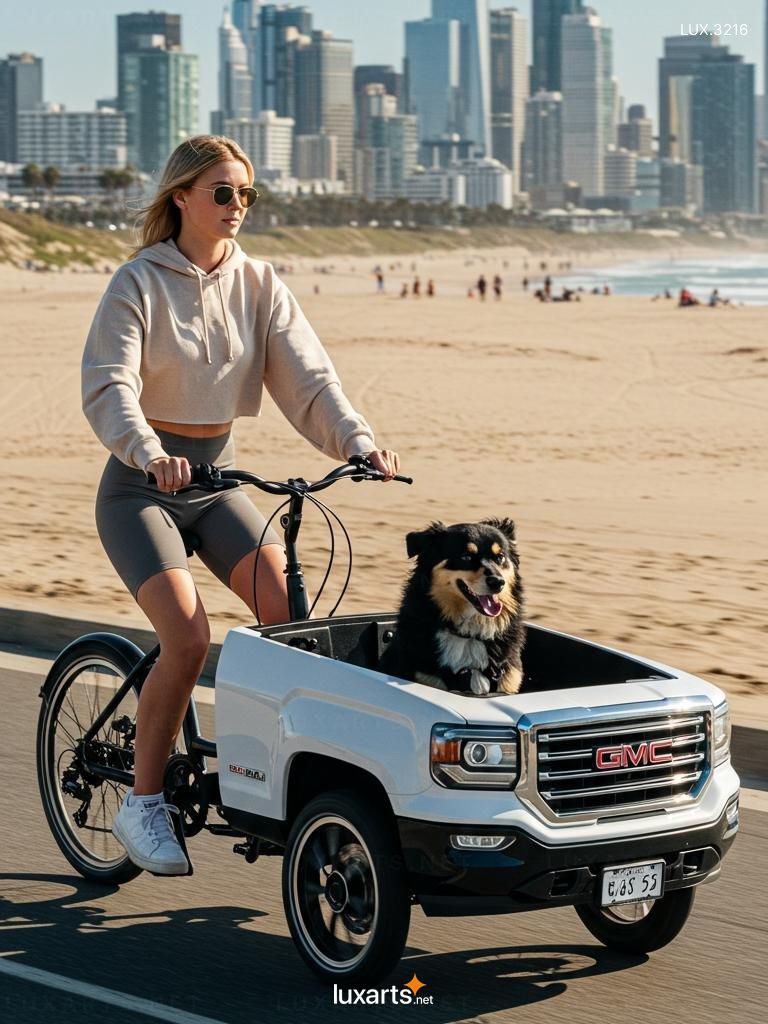
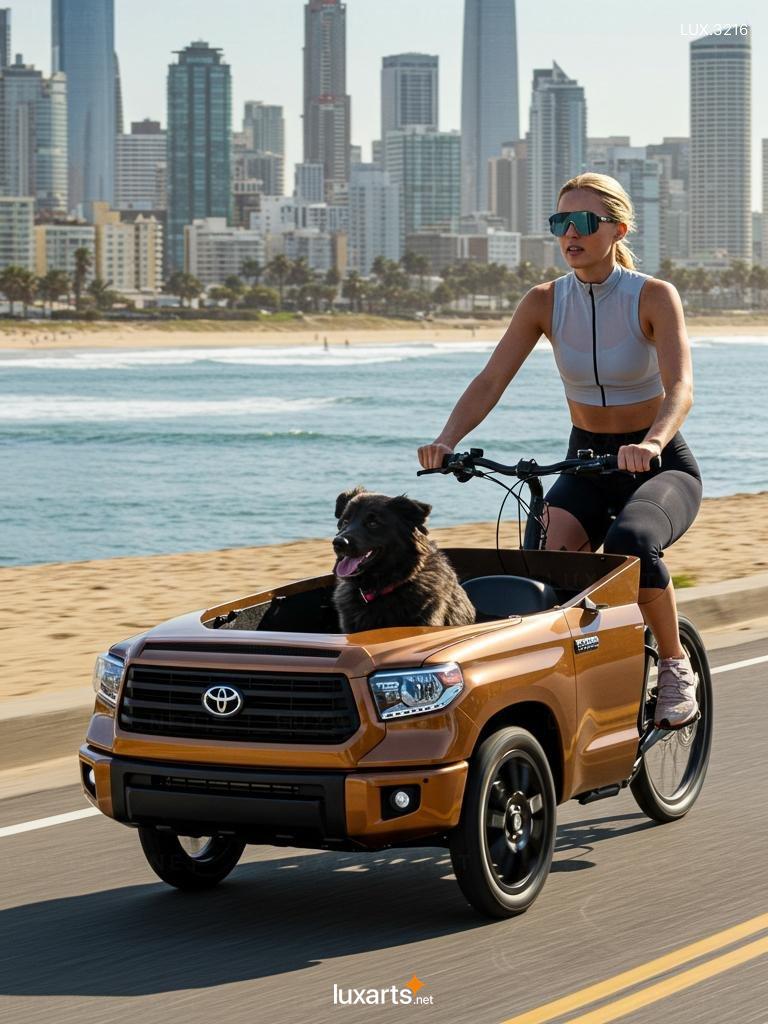
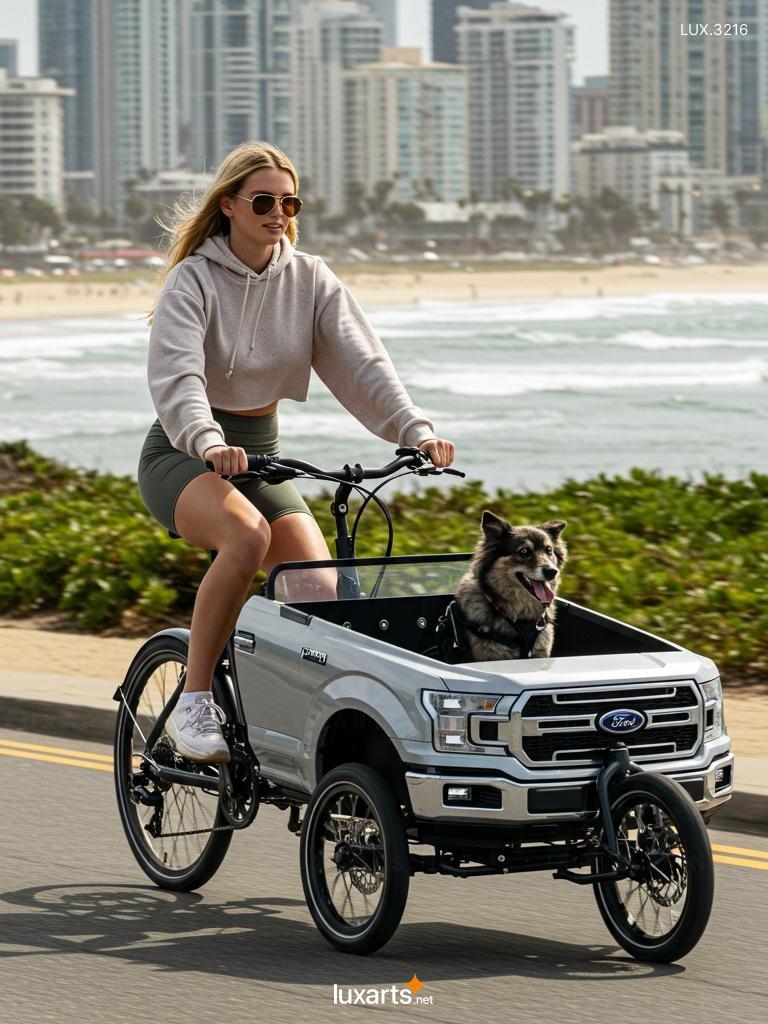
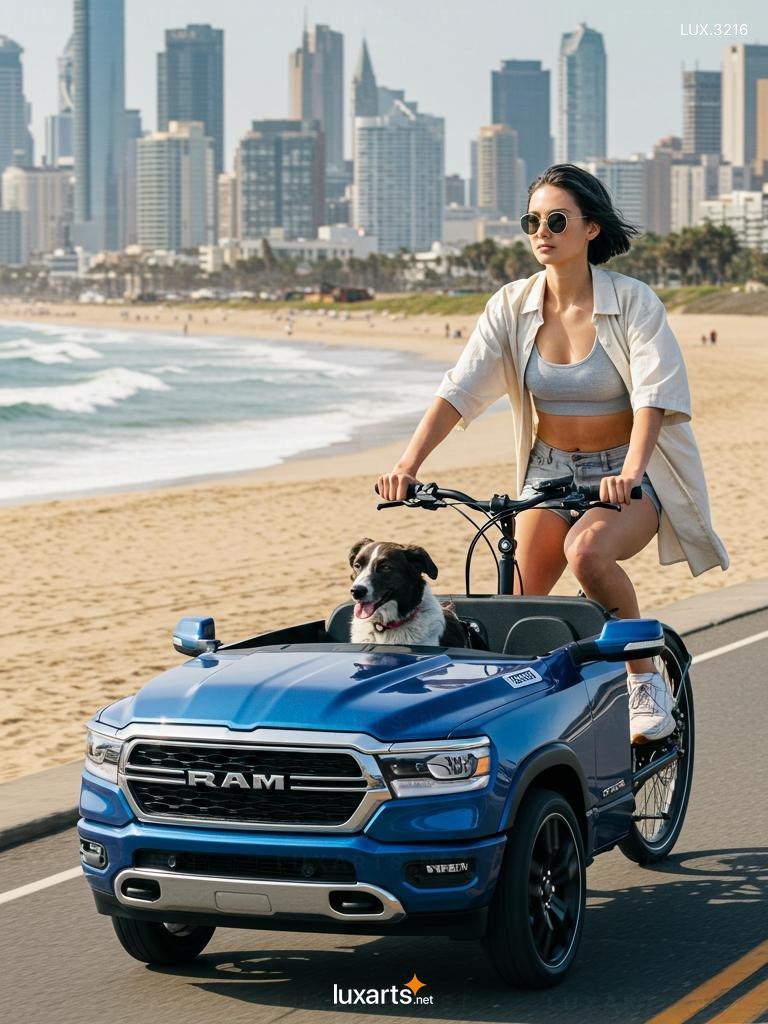
In recent years, the world of transportation has witnessed a fascinating evolution. One of the most innovative developments is the emergence of cargo bikes inspired by pickup trucks. These vehicles combine the practicality of traditional cargo bikes with the rugged design and utility of iconic pickup trucks like the Ford RAPTOR, Ford F-150, Chevrolet Silverado, Ram 1500, Toyota Tundra, GMC Sierra, Nissan Titan, Rivian R1T, and Tesla Cybertruck. This article delves into the creative inspiration behind these designs, their benefits, applications, and maintenance tips, showcasing how they represent the perfect blend of utility and innovation.
Introduction: Bridging the Gap Between Functionality and Sustainability
The demand for sustainable yet functional transportation solutions has grown exponentially. As cities become more congested and environmental concerns intensify, people are seeking alternatives to traditional vehicles. Enter the pickup truck-inspired cargo bike—a revolutionary concept that merges the robust functionality of pickup trucks with the eco-friendly nature of bicycles.
 hese cargo bikes are not just ordinary bicycles; they are engineered to carry heavy loads, navigate tight spaces, and provide a reliable mode of transport for both personal and professional use. By drawing inspiration from some of the most iconic pickup trucks in the world, manufacturers have created a new category of vehicles that embody strength, versatility, and innovation.
Creative Design Inspiration: From Pickup Trucks to Cargo Bikes
1. The Influence of Iconic Pickup Trucks
The design of pickup truck-inspired cargo bikes often reflects the aesthetics and engineering principles of renowned trucks. For instance:
- Ford RAPTOR: Known for its off-road capabilities, the RAPTOR’s rugged suspension system inspires cargo bikes designed for rough terrains. The shock-absorbing technology ensures stability even when carrying heavy loads over uneven surfaces.
- Ford F-150: As America’s best-selling truck, the F-150’s spacious bed serves as a blueprint for maximizing cargo space on bikes. Many cargo bike models now feature expandable platforms or modular compartments that mimic the versatility of the F-150’s flatbed.
- Chevrolet Silverado: Its durability and towing capacity inspire features like reinforced frames and load-bearing capabilities in cargo bikes. Manufacturers use high-strength materials to ensure these bikes can handle substantial weights without compromising safety.
- Ram 1500: The sleek modern design of the Ram 1500 influences the streamlined appearance of many cargo bikes. Aerodynamic shapes reduce wind resistance, making pedaling easier and more efficient.
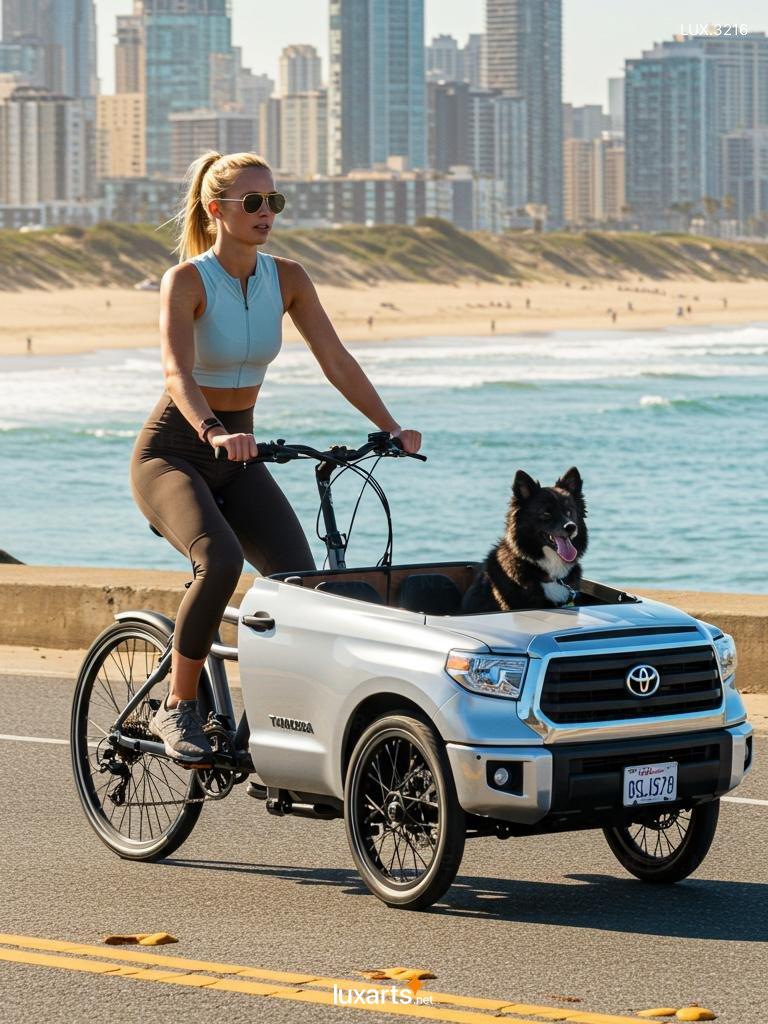
- Toyota Tundra: Renowned for reliability, the Tundra inspires robust materials and long-lasting components in bike construction. This focus on durability ensures that cargo bikes can withstand daily wear and tear.
- GMC Sierra: Its advanced technology integration inspires smart features such as GPS tracking, digital displays, and even smartphone connectivity in higher-end cargo bike models.
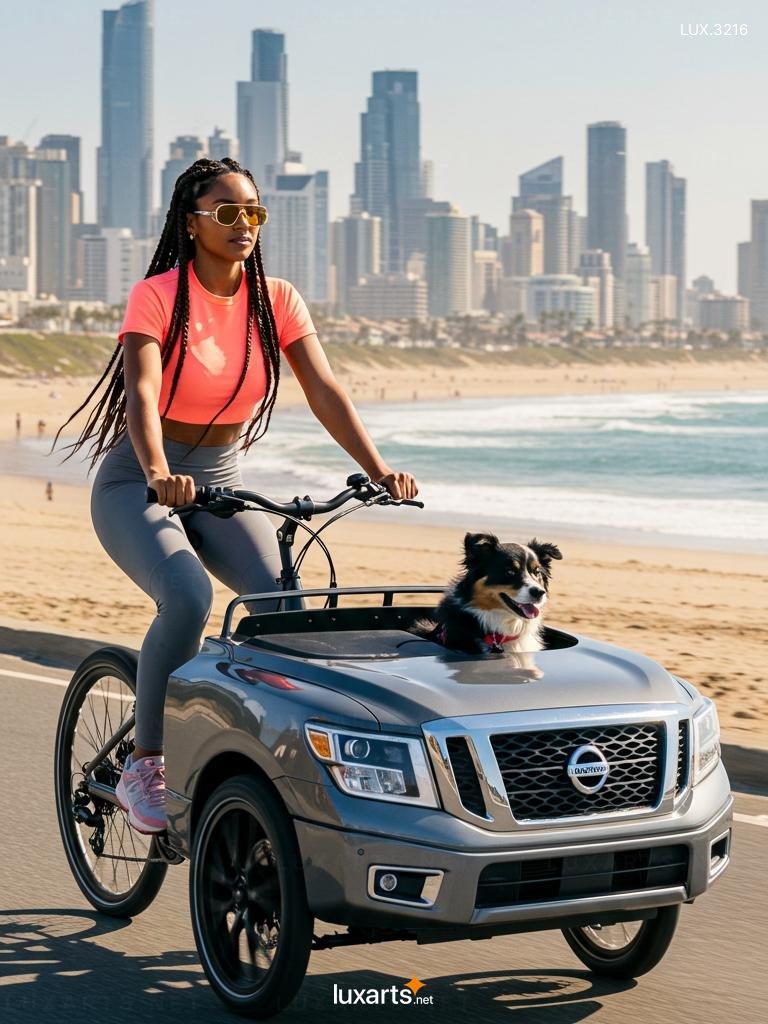
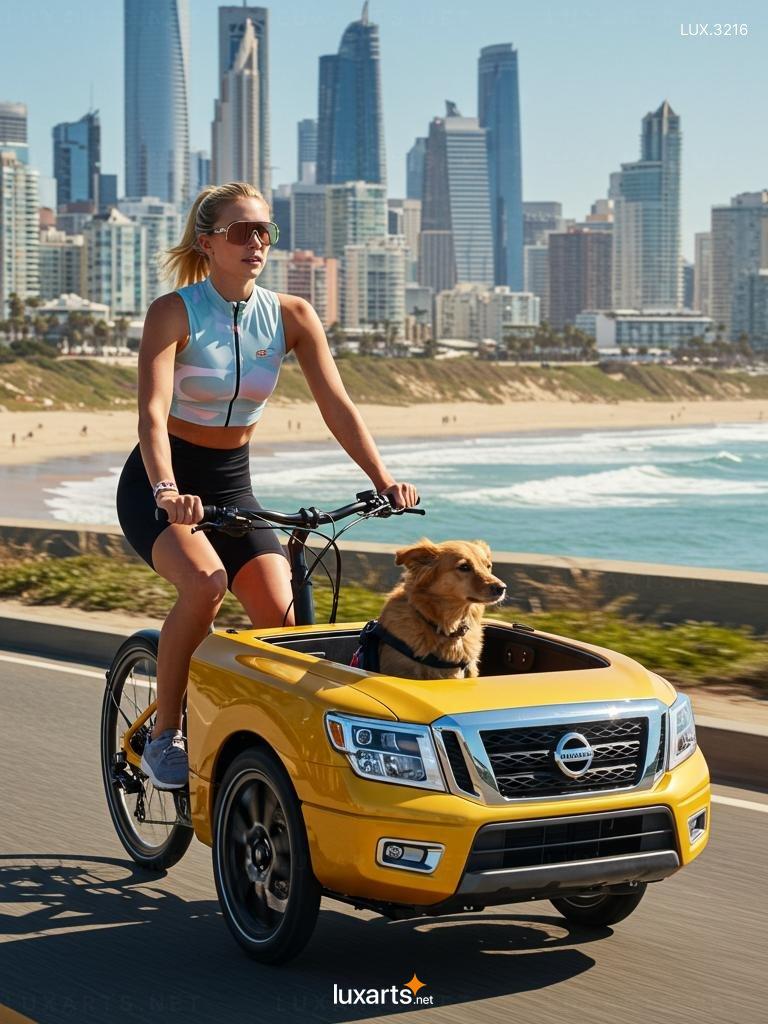
- Nissan Titan: With its focus on power and performance, the Titan inspires high-torque electric motors in e-cargo bikes. These motors provide pedal assistance, allowing users to tackle steep inclines or haul heavier loads with ease.
- Rivian R1T: This all-electric truck sets the standard for eco-conscious design, influencing battery-powered cargo bikes. Many e-cargo bikes now boast extended battery life and quick-charging capabilities.
- Tesla Cybertruck: Its futuristic angular design inspires bold, avant-garde aesthetics in certain models of cargo bikes. Sharp lines and unconventional shapes make these bikes stand out visually while maintaining functionality.
2. Key Design Elements
- Frame Structure: Borrowing from the sturdy chassis of pickup trucks, cargo bikes feature reinforced frames capable of supporting heavy loads. Some models incorporate dual-beam designs for added rigidity.
- Cargo Capacity: Like the beds of pickup trucks, these bikes are equipped with spacious compartments or platforms for transporting goods. Options range from open racks to enclosed boxes with lockable lids.
- Suspension Systems: Advanced suspension systems ensure smooth rides even when carrying significant weight. Front forks and rear shocks absorb vibrations, protecting both the rider and the cargo.
- Materials: High-strength steel, aluminum alloys, and carbon fiber are commonly used to mimic the durability of truck bodies. Lightweight yet durable materials enhance maneuverability without sacrificing strength.

Benefits of Pickup Truck-Inspired Cargo Bikes
1. Eco-Friendly Transportation
Unlike traditional pickup trucks, which rely on fossil fuels, cargo bikes are powered by human effort or electricity. This makes them an environmentally friendly option, reducing carbon emissions and contributing to cleaner urban environments. They produce zero tailpipe emissions, making them ideal for combating air pollution in densely populated areas.
2. Versatility in Urban Settings
Cargo bikes excel in navigating narrow streets, crowded areas, and pedestrian zones where larger vehicles struggle. Their compact size allows them to access places inaccessible to conventional trucks, making them ideal for deliveries, commuting, and recreational activities. In cities with strict emission regulations, cargo bikes offer a compliant alternative.
3. Cost Efficiency
While initial investments may vary, operating costs for cargo bikes are significantly lower than those for motorized vehicles. There’s no need for fuel, fewer maintenance requirements, and no parking fees in many cities. Additionally, insurance costs (if applicable) are minimal compared to those for cars or trucks.
4. Health and Fitness Benefits
Pedaling a cargo bike provides cardiovascular exercise, promoting physical fitness while accomplishing daily tasks. Even electric-assist versions require some level of pedaling, encouraging active lifestyles. Regular use can help improve endurance, muscle tone, and overall well-being.
5. Customization Options
Manufacturers offer a range of customization options, allowing users to tailor their cargo bikes to specific needs. Whether it’s adding racks, baskets, or weather-resistant covers, these bikes can adapt to various purposes. Some models even include child seats or pet carriers, making them suitable for families.
Applications and Places of Use
1. Urban Delivery Services
Businesses delivering packages, groceries, or meals increasingly rely on cargo bikes due to their efficiency in dense urban areas. Companies like Amazon and local courier services have adopted similar models to reduce delivery times and operational costs. Cargo bikes can navigate traffic jams and park easily, saving time and resources.
2. Family Transportation
Parents use cargo bikes to transport children, groceries, and other essentials. Models with enclosed cabins provide safety and comfort, mimicking the family-friendly nature of pickup trucks. These bikes are especially popular among eco-conscious families looking to minimize their carbon footprint.
3. Adventure and Recreation
For outdoor enthusiasts, these bikes serve as companions for camping trips, fishing expeditions, or exploring off-road trails. Their ability to carry gear mirrors the utility of pickup trucks in adventure scenarios. Some models come equipped with waterproof storage and foldable designs for easy portability.
4. Emergency Response
In emergencies, cargo bikes can deliver medical supplies, food, or tools to areas inaccessible to larger vehicles. Their agility and load-carrying capacity make them invaluable assets during crises. Nonprofits and disaster relief organizations often utilize cargo bikes for last-mile logistics.
5. Commercial Operations
Small businesses, farmers’ markets, and artisans benefit from using cargo bikes to transport products without relying on gas-powered vehicles. They also enhance brand visibility through unique designs. Mobile coffee shops, flower vendors, and artisanal goods sellers frequently adopt cargo bikes as mobile storefronts.

Maintenance Tips for Longevity
To ensure your pickup truck-inspired cargo bike remains in top condition, follow these maintenance tips:
1. Regular Cleaning
Dirt and debris can accumulate in moving parts, leading to wear and tear. Clean your bike regularly, paying special attention to the chain, gears, and brakes. Use mild soap and water to avoid damaging sensitive components.
2. Lubrication
Apply lubricant to the chain and other mechanical components to prevent rust and ensure smooth operation. Avoid over-lubricating, as excess oil can attract dirt. Wipe off any excess after application.
3. Tire Care
Check tire pressure frequently to maintain optimal performance. Properly inflated tires improve efficiency and reduce strain on the frame. Inspect treads for signs of wear and replace tires as needed.
4. Inspect Brakes
Brake systems are critical for safety. Test them regularly and replace worn-out pads promptly. Ensure brake cables are free of kinks or fraying.
5. Battery Maintenance (for E-Cargo Bikes)
If your bike is electric, charge the battery according to the manufacturer’s guidelines. Store it in a cool, dry place to prolong its lifespan. Avoid fully depleting the battery, as this can shorten its overall life.
6. Frame Inspection
Examine the frame for cracks or damage, especially if you frequently carry heavy loads. Address any issues immediately to prevent accidents. Tighten bolts and screws periodically to keep everything secure.

Future Innovations and Trends
As technology advances, we can expect further enhancements in pickup truck-inspired cargo bikes:
- Smart Features: Integration of IoT devices for real-time tracking, navigation assistance, and health monitoring. Imagine a bike that alerts you to traffic conditions or suggests the fastest route based on current data.
- Lightweight Materials: Development of stronger yet lighter materials to improve portability and efficiency. Carbon fiber composites and advanced alloys could revolutionize bike construction.
- Solar-Powered Models: Harnessing solar energy to extend battery life or eliminate the need for charging altogether. Solar panels integrated into bike frames could provide supplemental power.
- AI-Assisted Navigation: Autonomous features that optimize routes and enhance user experience. AI algorithms could analyze terrain, weather, and traffic patterns to suggest the best path.
- Modular Designs: Interchangeable components that allow users to switch between different configurations depending on their needs. For example, swapping out a cargo platform for a passenger seat.

Conclusion: A New Era of Sustainable Mobility
The pickup truck-inspired cargo bike represents a groundbreaking fusion of utility and innovation. By drawing inspiration from iconic trucks like the Ford RAPTOR, Chevrolet Silverado, and Tesla Cybertruck, these bikes offer unparalleled functionality while prioritizing sustainability. Whether you’re commuting in the city, embarking on adventures, or running a business, these versatile vehicles cater to diverse needs.
As society continues to embrace eco-friendly alternatives, the popularity of cargo bikes will only grow. With proper care and regular maintenance, these bikes promise years of reliable service. Embrace the future of transportation—choose a pickup truck-inspired cargo bike today and experience the perfect blend of strength, style, and sustainability.
NOTE: All images in this post are AI-generated and intended solely for inspiration. These are not real products available for sale, and we do not operate any online store or website for purchases.