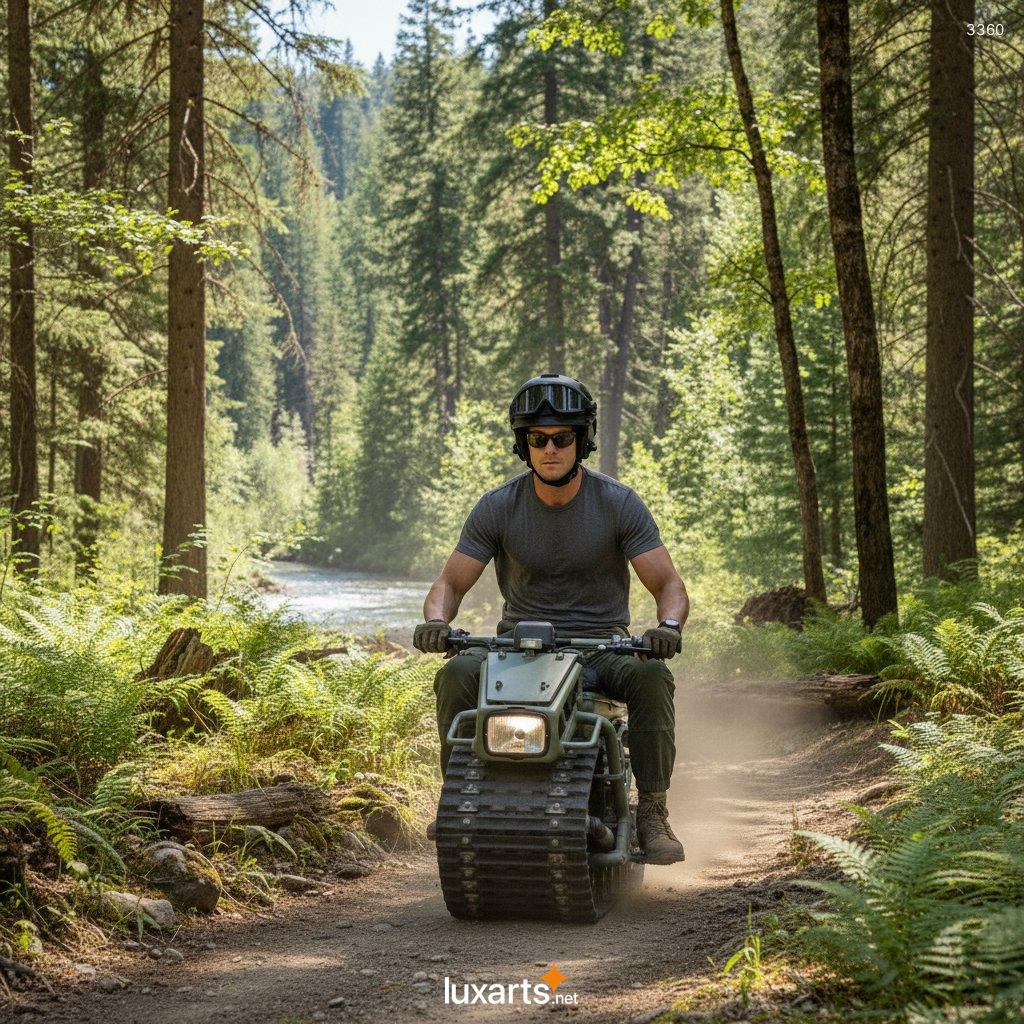
In the evolving landscape of personal and utility transportation, the mini tracked vehicle has emerged as a uniquely capable solution for navigating challenging terrains. Unlike conventional wheeled vehicles that struggle with mud, snow, sand, or steep inclines, mini tracked vehicles leverage continuous track systems-similar to those found on military tanks or agricultural machinery-to distribute weight evenly and maintain traction where wheels fail. Originally developed for specialized industrial and military purposes, these compact machines have found new life in recreational, exploratory, and niche utility roles. This article explores the creative design inspirations behind modern mini tracked vehicles, their functional benefits, diverse applications, aesthetic considerations such as color customization, maintenance essentials, and why they are increasingly favored for off-road mobility in both professional and enthusiast circles.
The Engineering Behind the Tracks: A Fusion of Form and Function
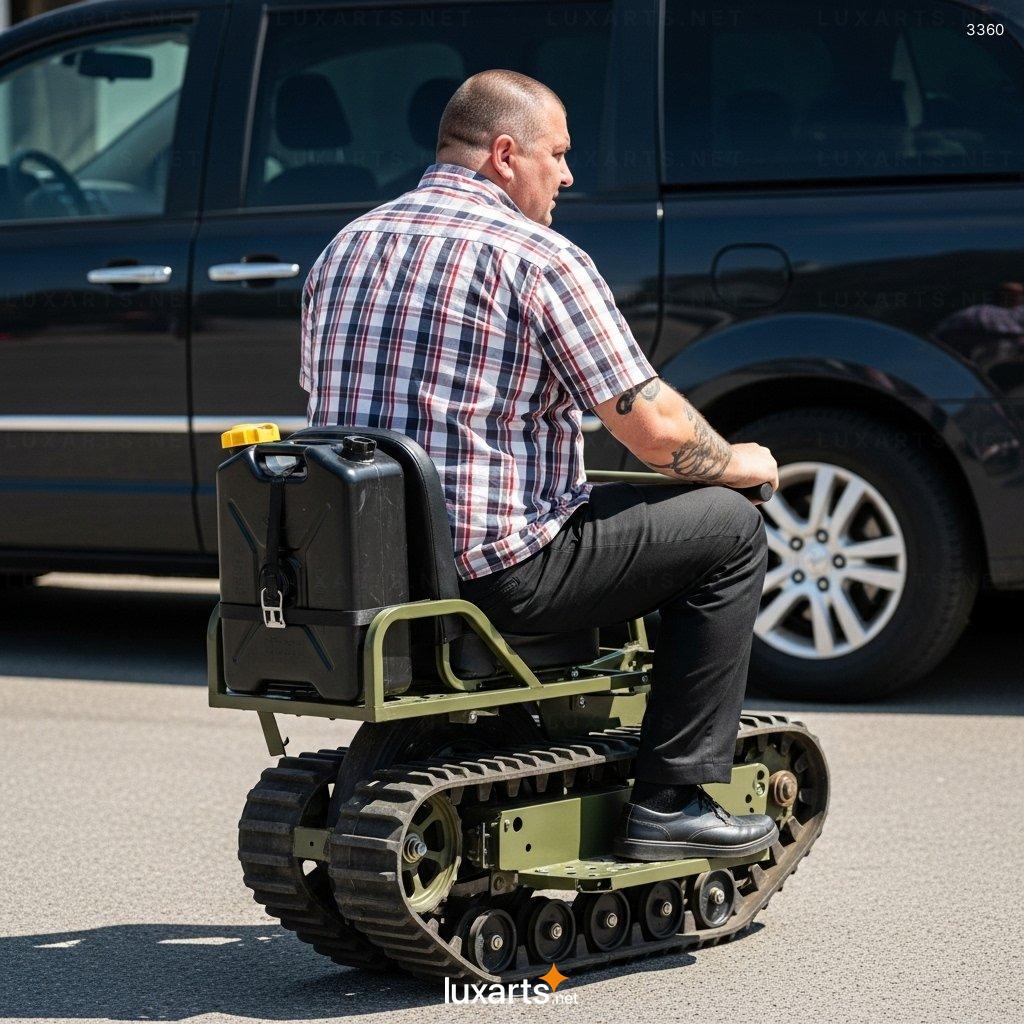
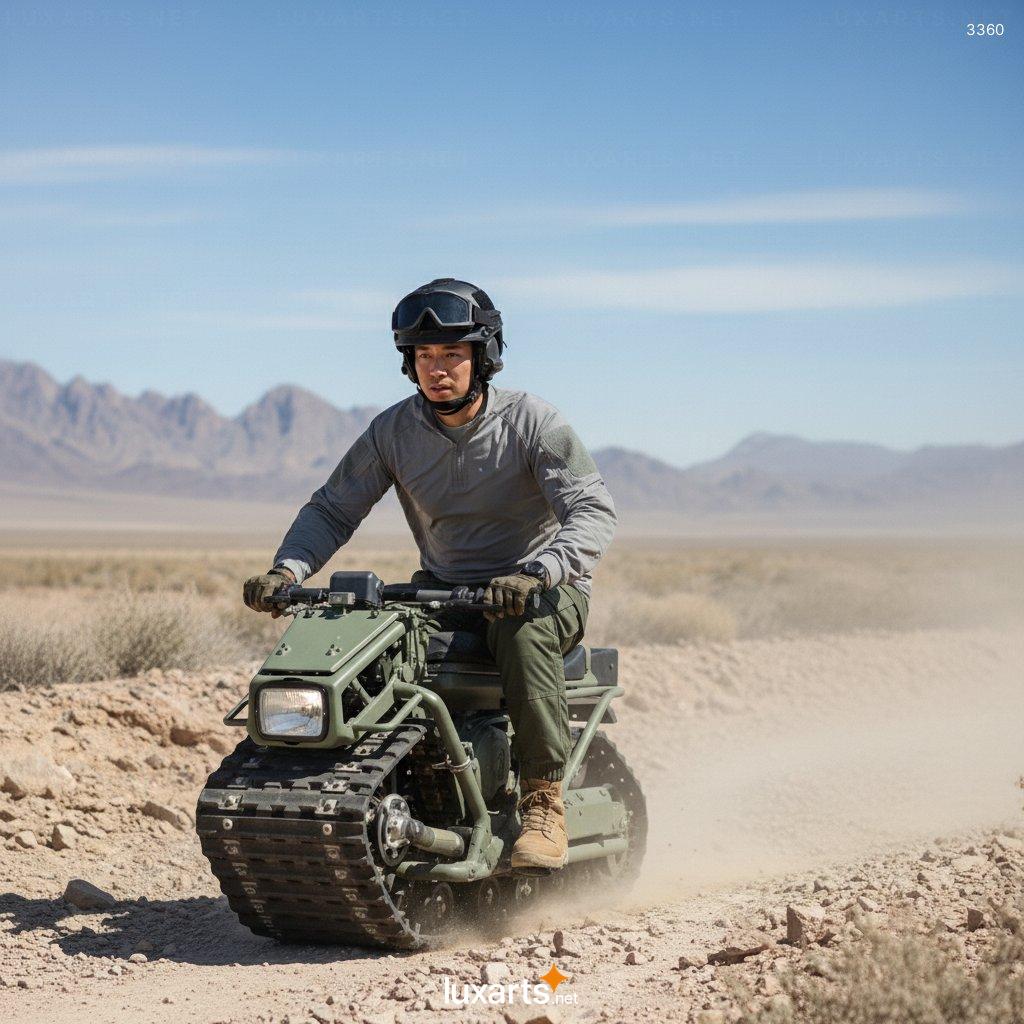
At the heart of every mini tracked vehicle lies its track system-a defining feature that sets it apart from traditional off-road vehicles. These tracks are typically made from reinforced rubber or composite materials, engineered to be lightweight yet durable. The design mimics the principles of larger tracked machinery but is scaled down to suit compact frames, often under 6 feet in length and weighing less than 1,000 pounds. What makes this engineering so effective is the way it maximizes surface contact with the ground. Instead of concentrating weight on four small tire patches, the track spreads the load over a much larger area. This significantly reduces ground pressure-sometimes to less than 2 psi-allowing the vehicle to glide over soft surfaces like deep snow, marshland, or loose gravel without sinking. Modern mini tracked vehicles also incorporate advanced suspension systems, often with independent articulation on each track. This allows the vehicle to conform to uneven terrain, maintaining stability even on rocky slopes or through dense underbrush. Designers draw inspiration from nature (biomimicry), robotics, and military engineering to refine these systems, resulting in machines that are not only functional but also surprisingly agile and quiet.
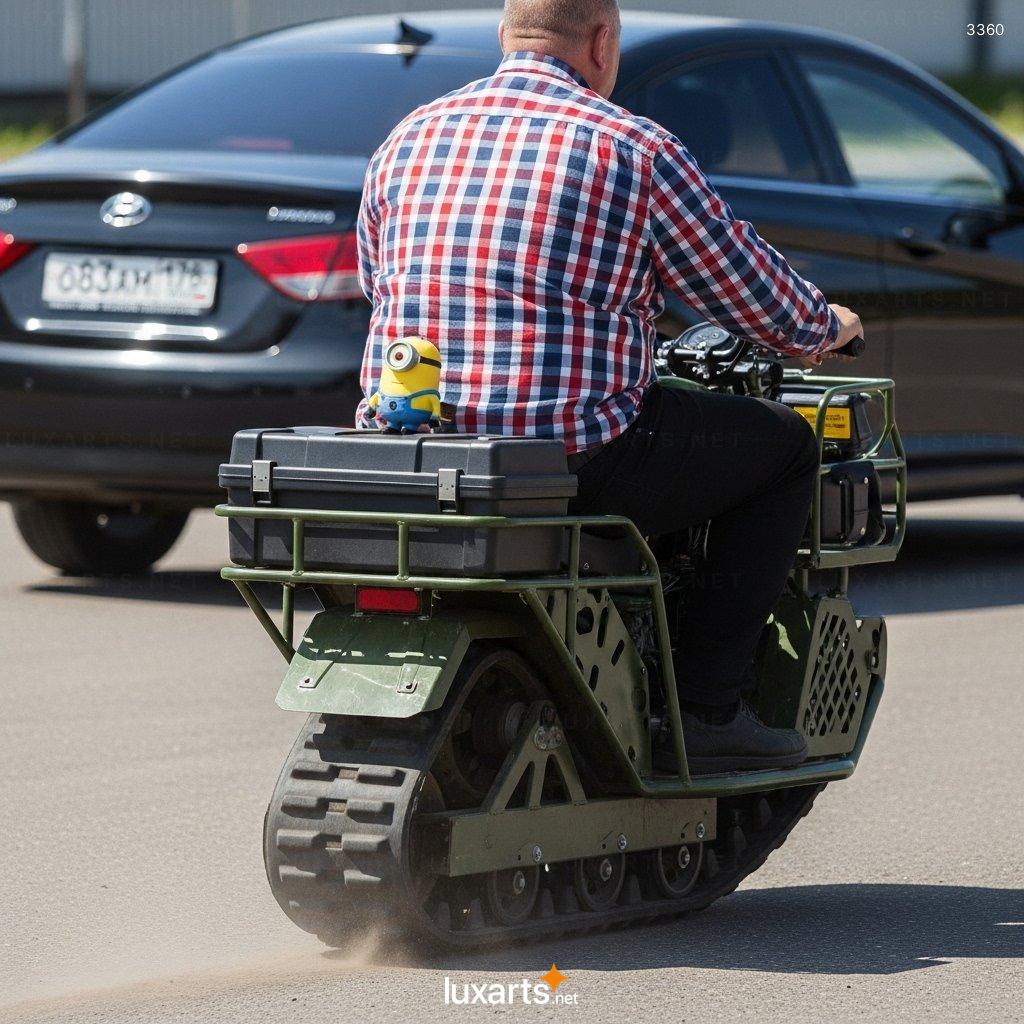
Creative Design Inspirations: Where Utility Meets Aesthetics
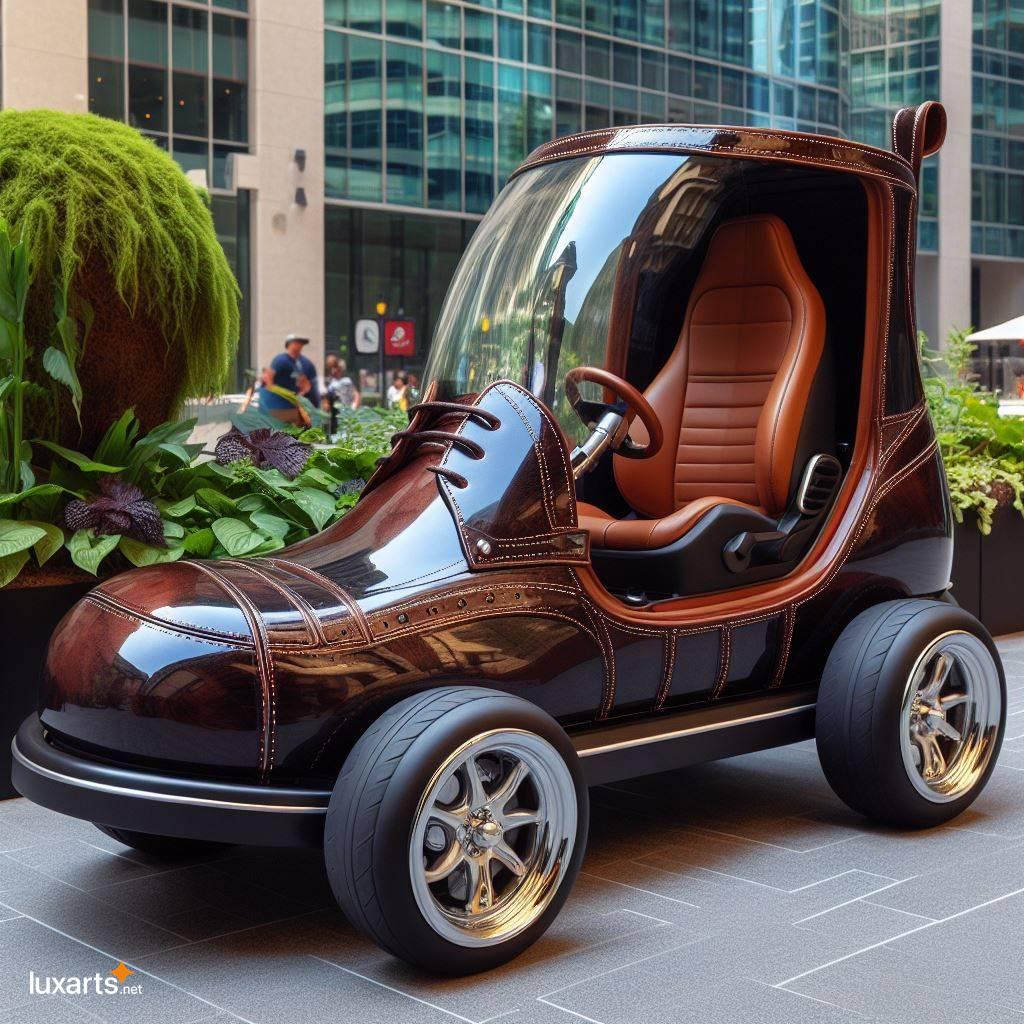
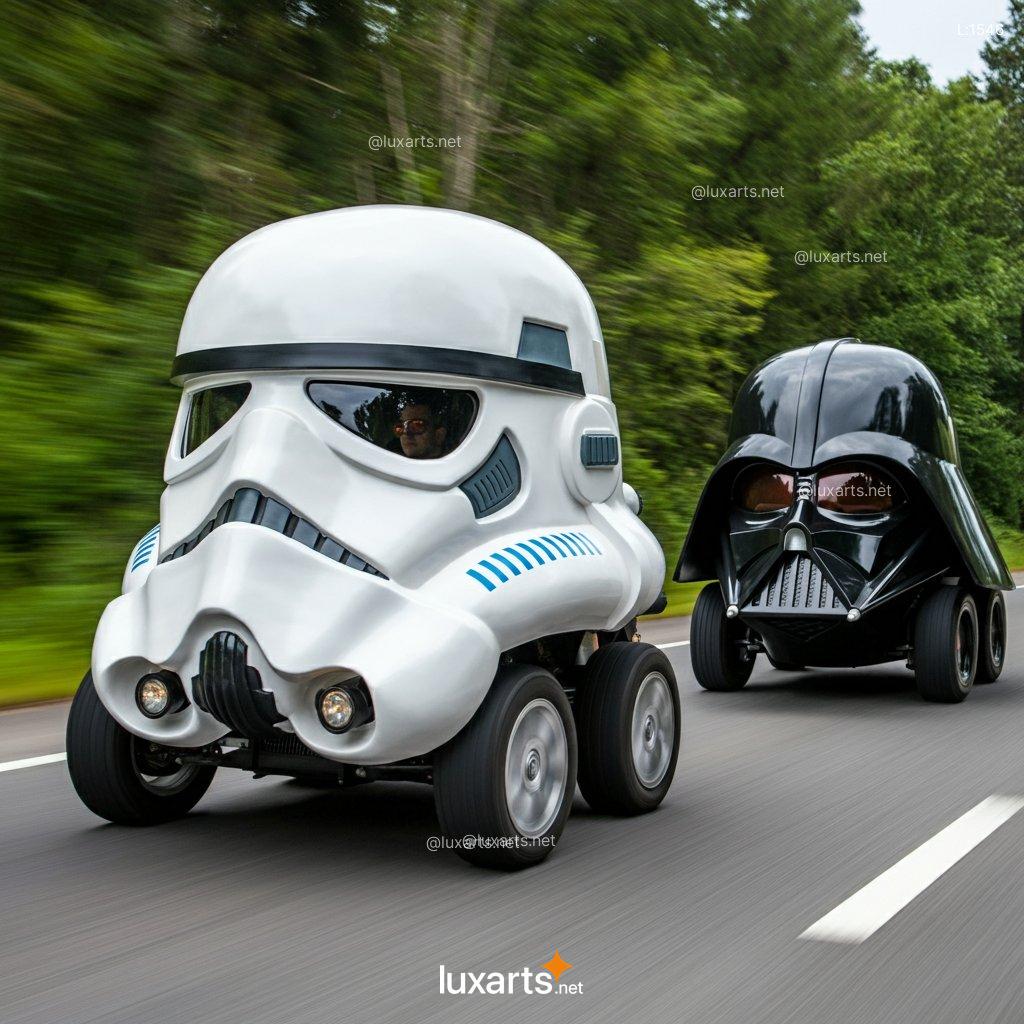
While functionality is paramount, the design of a mini tracked vehicle doesn’t have to be purely utilitarian. In recent years, manufacturers and custom builders have embraced creative aesthetics that reflect personal style, brand identity, or thematic use cases. For instance, some models are inspired by retro-futurism, featuring rounded body panels, exposed mechanical elements, and vintage color palettes like olive drab, burnt orange, or matte black. Others adopt a minimalist Scandinavian design-clean lines, neutral tones, and integrated storage compartments that blend seamlessly into the frame. Adventure-focused builds might include modular attachments, LED light bars, and ruggedized exteriors that echo expedition vehicles. Color plays a significant role in both identity and practicality. Bright colors like safety yellow or signal red enhance visibility in low-light or snowy conditions, while earth tones (forest green, desert tan) offer camouflage for wildlife observation or hunting applications. Custom vinyl wraps and powder-coated finishes allow users to personalize their vehicles without compromising durability. These design choices are more than cosmetic-they contribute to user experience, emotional connection, and even operational safety. A well-designed mini tracked vehicle becomes an extension of its operator’s intent, whether that’s scientific fieldwork, remote photography, or backcountry exploration.
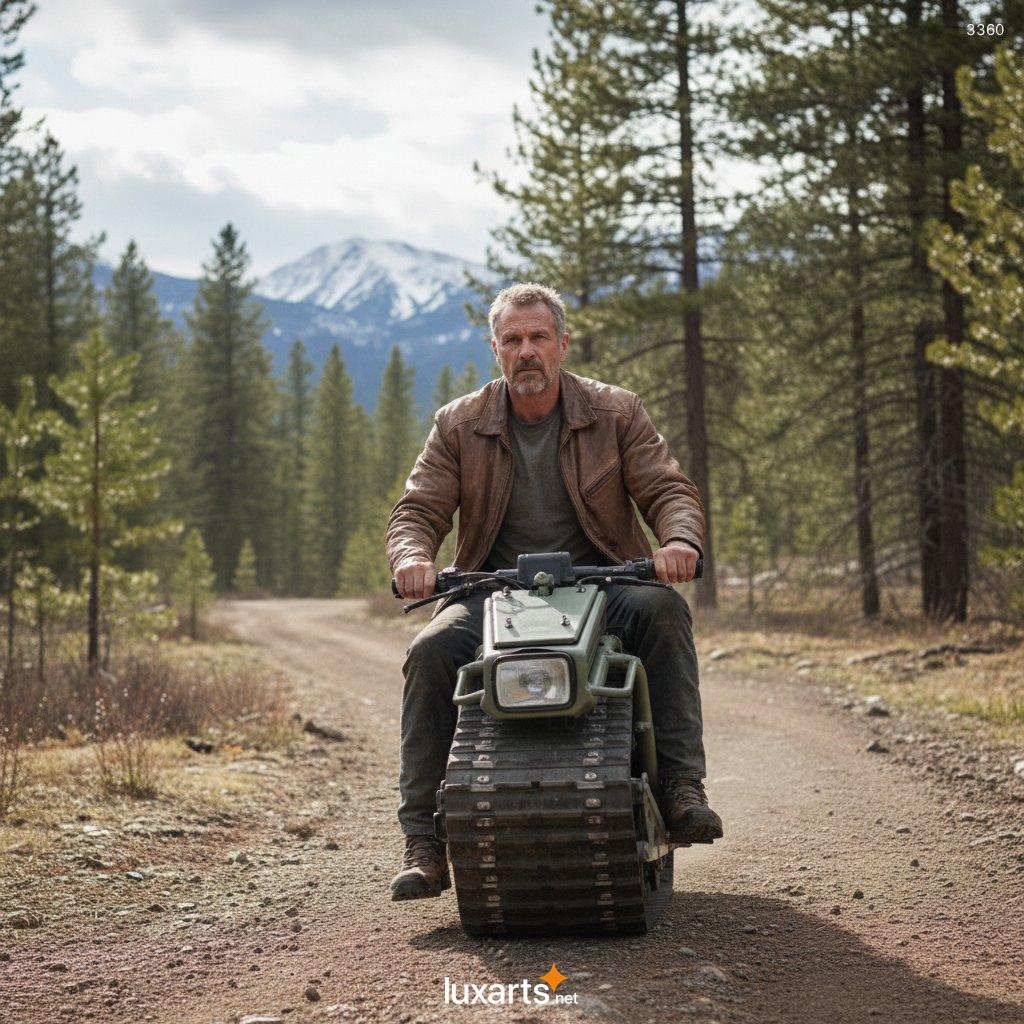
Diverse Applications Across Environments
The versatility of the mini tracked vehicle is one of its greatest strengths. Its ability to traverse terrain inaccessible to standard ATVs or UTVs opens up a wide range of use cases:
- Search and Rescue Operations: Emergency teams in mountainous or flood-prone regions rely on mini tracked vehicles to reach stranded individuals quickly and safely, even in deep snow or muddy conditions.
- Scientific Research: Ecologists, geologists, and climate scientists use these vehicles to access remote field sites without damaging fragile ecosystems. Their low ground pressure minimizes soil compaction and vegetation disruption.
- Agriculture and Forestry: Small-scale farmers and forest rangers utilize mini tracked vehicles to transport tools, seedlings, or harvested crops across wet fields or uneven woodland paths where wheeled carts would get stuck.
- Recreational Exploration: Enthusiasts deploy them for ice fishing, backcountry camping, or overlanding in extreme environments. Their compact size makes them trailer-friendly and easy to store.
- Winter Maintenance: In regions with heavy snowfall, mini tracked vehicles assist in clearing trails, delivering supplies, or conducting property inspections when roads are impassable.
Each application demands specific design adaptations-such as waterproof electronics for wet environments, heated controls for arctic use, or silent electric motors for wildlife-sensitive areas-demonstrating the platform’s remarkable adaptability.

Key Advantages for Off-Road Mobility
The mini tracked vehicle offers several compelling advantages over traditional off-road alternatives:
- Superior Traction and Stability: Continuous tracks provide unmatched grip on loose, slippery, or uneven surfaces, reducing the risk of rollovers or getting stuck.
- Low Environmental Impact: With minimal ground pressure, these vehicles cause less damage to natural terrain, making them ideal for conservation areas or protected lands.
- Compact Footprint: Their small size allows navigation through narrow trails, dense forests, or urban alleyways where larger vehicles cannot go.
- All-Season Capability: Equally effective in summer mud, autumn leaf litter, winter snow, and spring thaw-making them truly year-round mobility solutions.
- Quiet Operation (Especially Electric Models): Many modern mini tracked vehicles run on electric powertrains, offering near-silent operation that’s perfect for nature observation or stealth applications.
These benefits collectively make the mini tracked vehicle a uniquely capable tool for anyone whose work or passion takes them beyond paved roads.

Color and Customization: Expressing Identity Through Design
Beyond mechanical performance, the visual identity of a mini tracked vehicle can be tailored to suit individual or organizational needs. Factory options often include a range of standard colors, but the aftermarket offers extensive customization:
- Matte vs. Gloss Finishes: Matte finishes reduce glare and offer a tactical look, while gloss enhances vibrancy and is easier to clean.
- Thematic Liveries: Research institutions may apply institutional branding; film crews might use camouflage wraps; artists could transform the vehicle into a mobile canvas.
- Functional Color Coding: In fleet operations, different colors can denote vehicle roles-e.g., red for emergency response, green for environmental monitoring.
Custom lighting, decals, and even track color (some manufacturers offer colored track belts) further expand personalization possibilities. This blend of utility and expression ensures that each mini tracked vehicle can be both highly functional and visually distinctive.
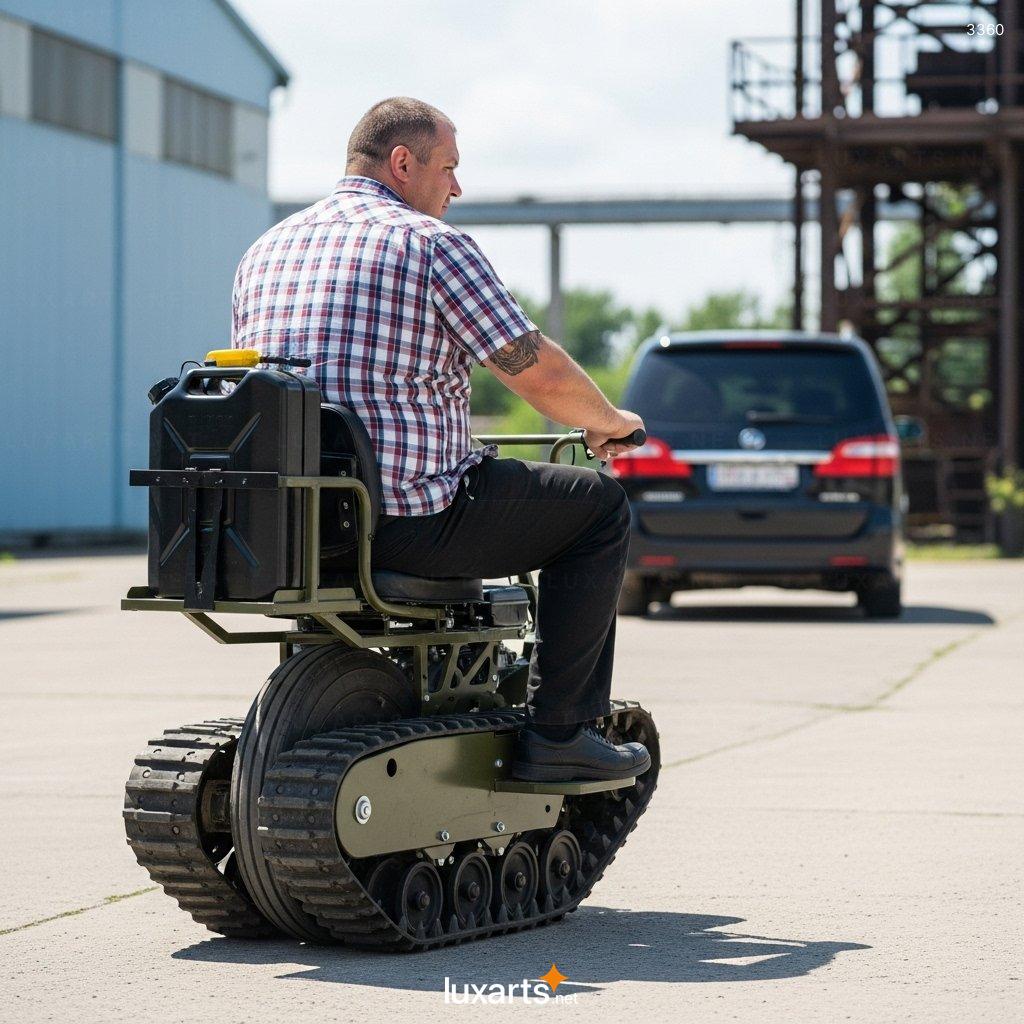
Essential Maintenance Tips for Longevity and Performance
To ensure reliable performance and extend service life, regular maintenance of a mini tracked vehicle is essential. Key practices include:
- Track Tension Checks: Tracks should be neither too loose (risk of derailment) nor too tight (excessive wear on bearings and motors). Follow manufacturer guidelines for optimal tension.
- Cleaning After Use: Mud, sand, and salt can accelerate corrosion. Rinse the undercarriage and tracks thoroughly after off-road excursions, especially in coastal or winter environments.
- Lubrication of Moving Parts: Pivot points, sprockets, and suspension components require periodic lubrication to prevent seizing and reduce friction.
- Battery Care (for Electric Models): Store batteries in a temperature-controlled environment, avoid deep discharges, and use manufacturer-recommended chargers.
- Inspect for Wear: Regularly check tracks for cracks, missing lugs, or delamination. Replace worn components before they fail in the field.
Proactive maintenance not only prevents breakdowns but also preserves resale value and ensures safety during remote operations.
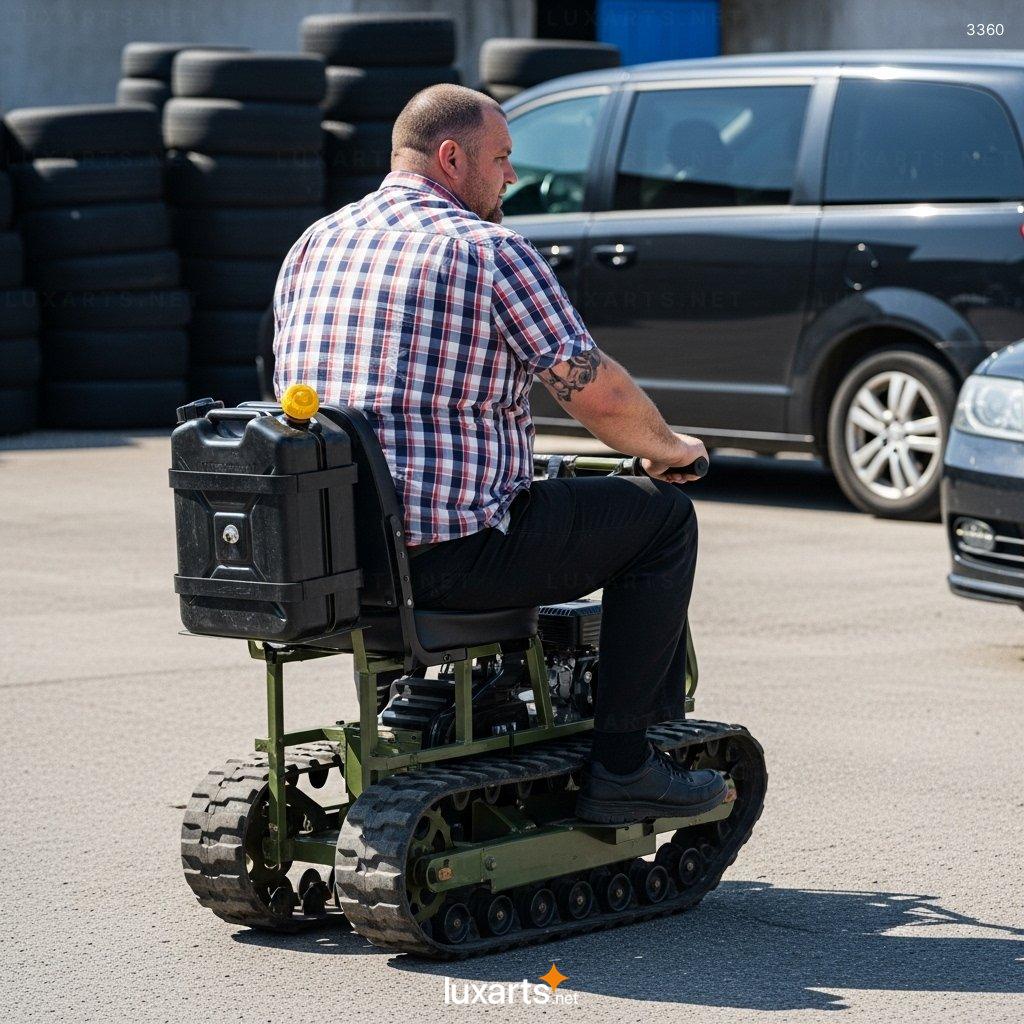
Future Innovations and Sustainable Trends
The future of the mini tracked vehicle is closely tied to advancements in materials science, electrification, and autonomous systems. Lightweight composites are reducing overall weight without sacrificing strength. Solid-state batteries promise longer range and faster charging for electric models. Some prototypes even integrate AI-assisted navigation for semi-autonomous trail following or obstacle avoidance. Sustainability is also a growing focus. Manufacturers are exploring biodegradable track materials, solar-assist charging, and modular designs that simplify repairs and reduce waste. As environmental regulations tighten and users demand greener solutions, these innovations will shape the next generation of mini tracked mobility.
Conclusion
The mini tracked vehicle represents a remarkable convergence of engineering ingenuity, practical utility, and creative design. Far more than a novelty, it is a purpose-built solution for those who regularly confront the limits of conventional transportation. From its low-impact track system and adaptable form factor to its customizable aesthetics and expanding range of applications, this compact machine redefines what’s possible in off-road mobility. Whether deployed in scientific research, emergency response, agriculture, or personal adventure, the mini tracked vehicle continues to prove that sometimes, the smallest platforms make the biggest difference-especially when the path ahead is anything but smooth. As technology evolves and user needs diversify, its role in bridging the gap between accessibility and terrain resilience will only grow more vital.
NOTE: All images in this post are AI-generated and intended solely for inspiration. These are not real products available for sale, and we do not operate any online store or website for purchases.