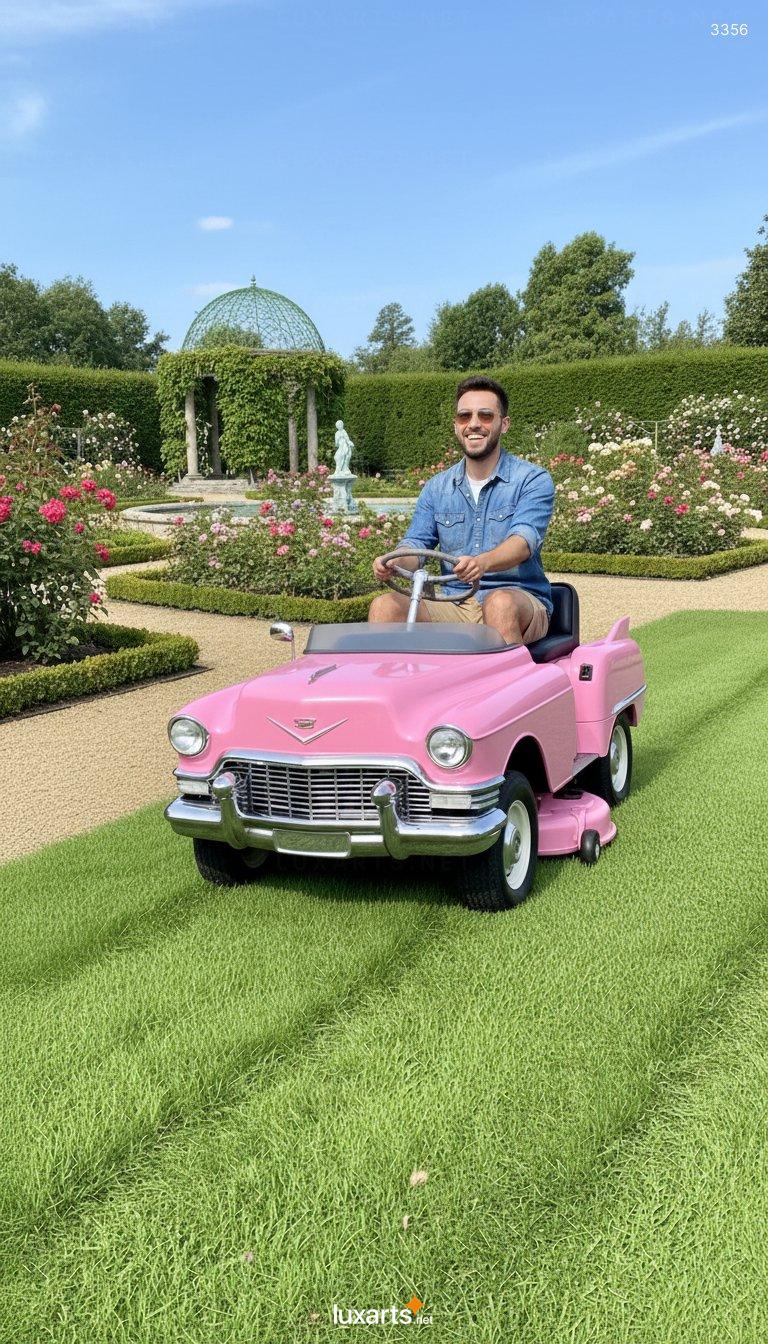
In the world of lawn care, functionality often takes precedence over form. However, for those who appreciate both utility and aesthetic charm, classic car riding mowers offer a rare and delightful fusion of vintage automotive design and practical landscaping performance. These unique machines are more than just tools for mowing—they are rolling tributes to mid-20th-century automotive culture, evoking the sleek lines, bold colors, and iconic silhouettes of classic American cars. Designed to capture the spirit of bygone eras while delivering reliable mowing capabilities, classic car riding mowers stand out as both conversation starters and efficient yard companions. This article explores the creative design inspiration behind these machines, their distinctive color palettes, functional benefits, ideal settings for use, and essential maintenance practices—all while celebrating their nostalgic appeal.
The Creative Design Inspiration Behind Classic Car Riding Mowers
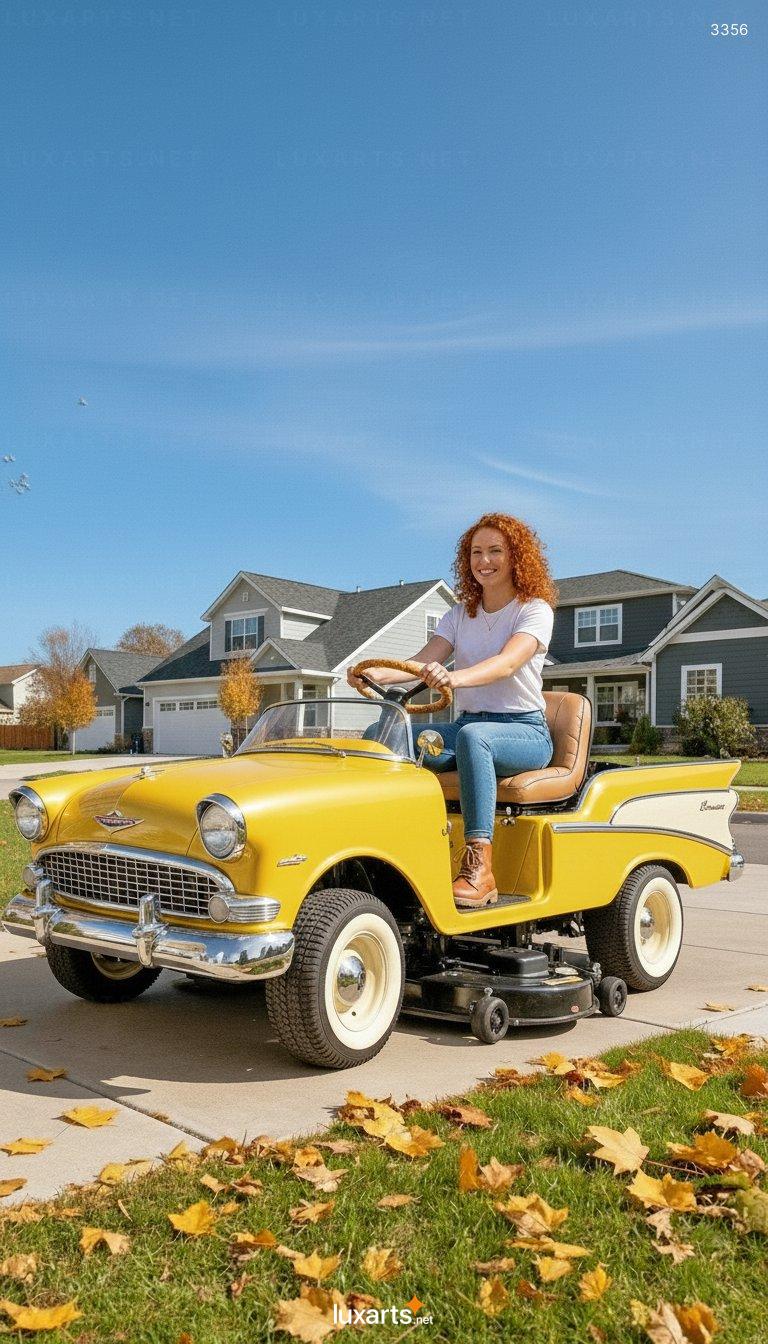
The genesis of classic car riding mowers lies in the postwar optimism of the 1950s and 1960s, a time when automobiles were not just modes of transportation but symbols of personal identity and technological progress. Manufacturers of lawn equipment, particularly brands like Snapper and later specialized custom builders, drew direct inspiration from popular car models of the era—think Chevrolet Bel Airs, Ford Thunderbirds, and Cadillac Eldorados.
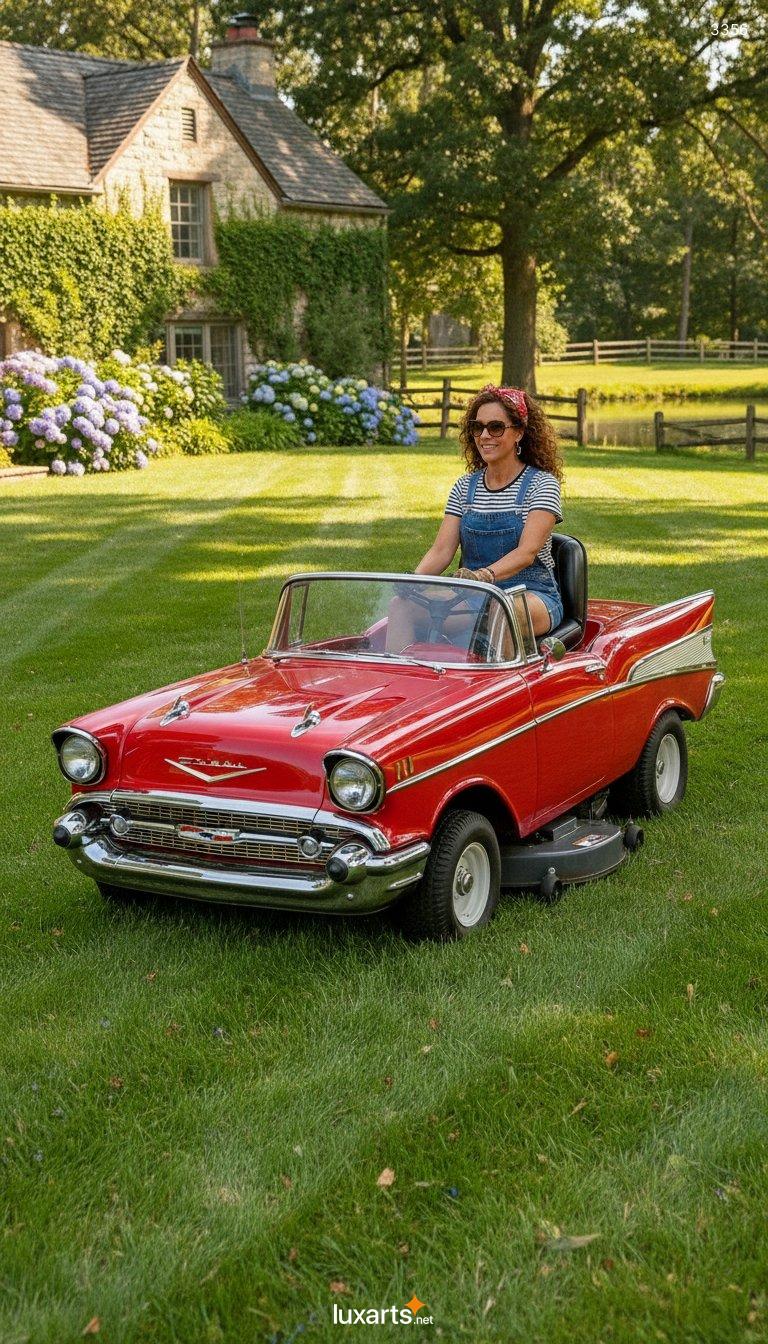
These mowers often feature exaggerated tailfins, chrome accents, wraparound windshields (or simulated versions), and hood ornaments that mimic their full-sized counterparts. Even the steering wheels and dashboard layouts echo vintage car interiors, complete with analog-style gauges and retro typography. The design philosophy isn’t about replicating a vehicle exactly, but rather capturing its essence—transforming a utilitarian machine into a piece of functional art.

What makes this design approach so compelling is its ability to bridge generations. For older users, these mowers evoke cherished memories of youth and family road trips. For younger enthusiasts, they represent a tactile connection to automotive history, offering a hands-on way to engage with retro aesthetics in a modern context.

Signature Color Schemes and Visual Identity
Color plays a pivotal role in defining the character of classic car riding mowers. Much like the automobiles that inspired them, these mowers often sport two-tone paint jobs—such as turquoise and white, cherry red and cream, or forest green with ivory trim. These combinations were not arbitrary; they mirrored the factory color options offered by Detroit automakers during the golden age of car design.
The finishes are typically high-gloss, emphasizing the curves and contours of the mower’s bodywork. Some custom models even include pinstriping, simulated wood paneling (a nod to station wagons), or hand-painted flames for a hot-rod flair. Chrome plating is used strategically on grilles, wheel hubs, and trim pieces to enhance the vintage automobile illusion.
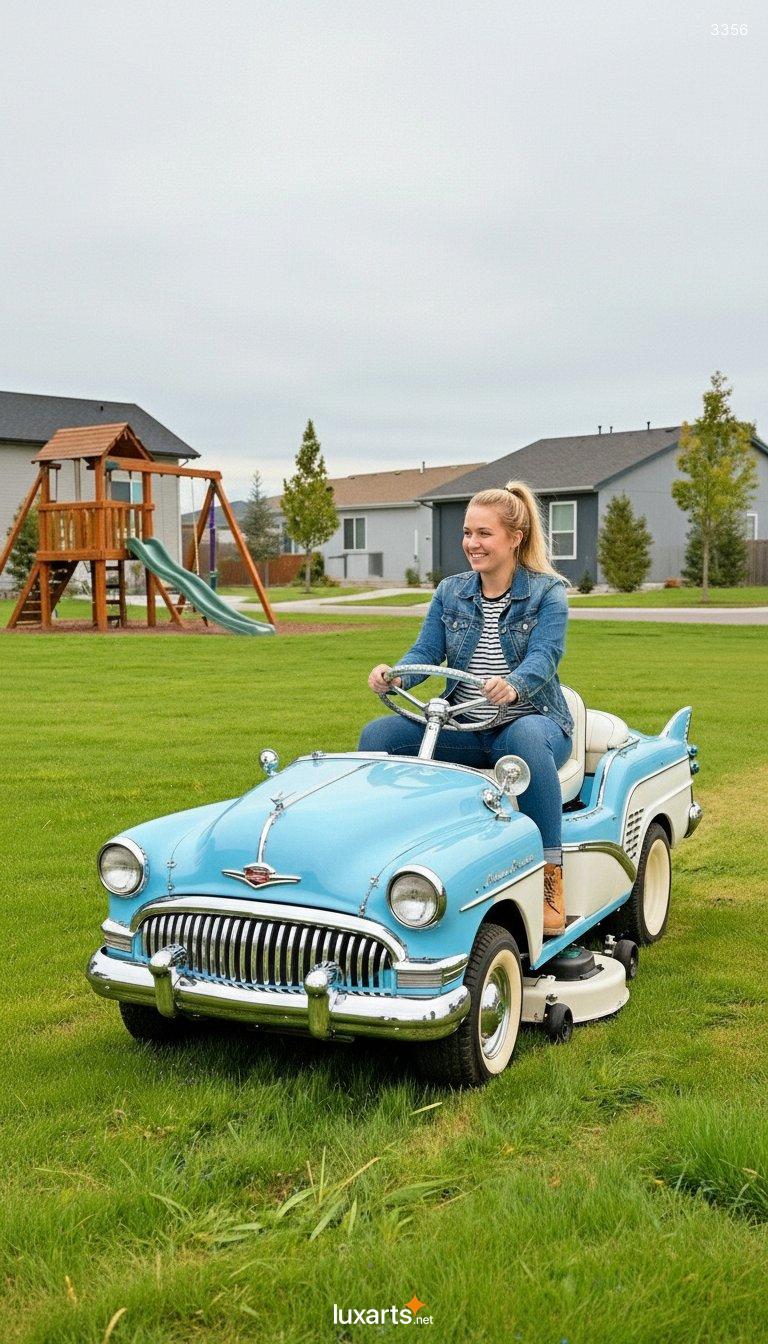
Beyond aesthetics, these color choices also serve a psychological purpose: they transform the chore of lawn mowing into a more enjoyable, even theatrical experience. Mowing the lawn becomes less of a task and more of a performance—one where the operator is both pilot and curator of a miniature classic car.
Functional Benefits Beyond Aesthetics
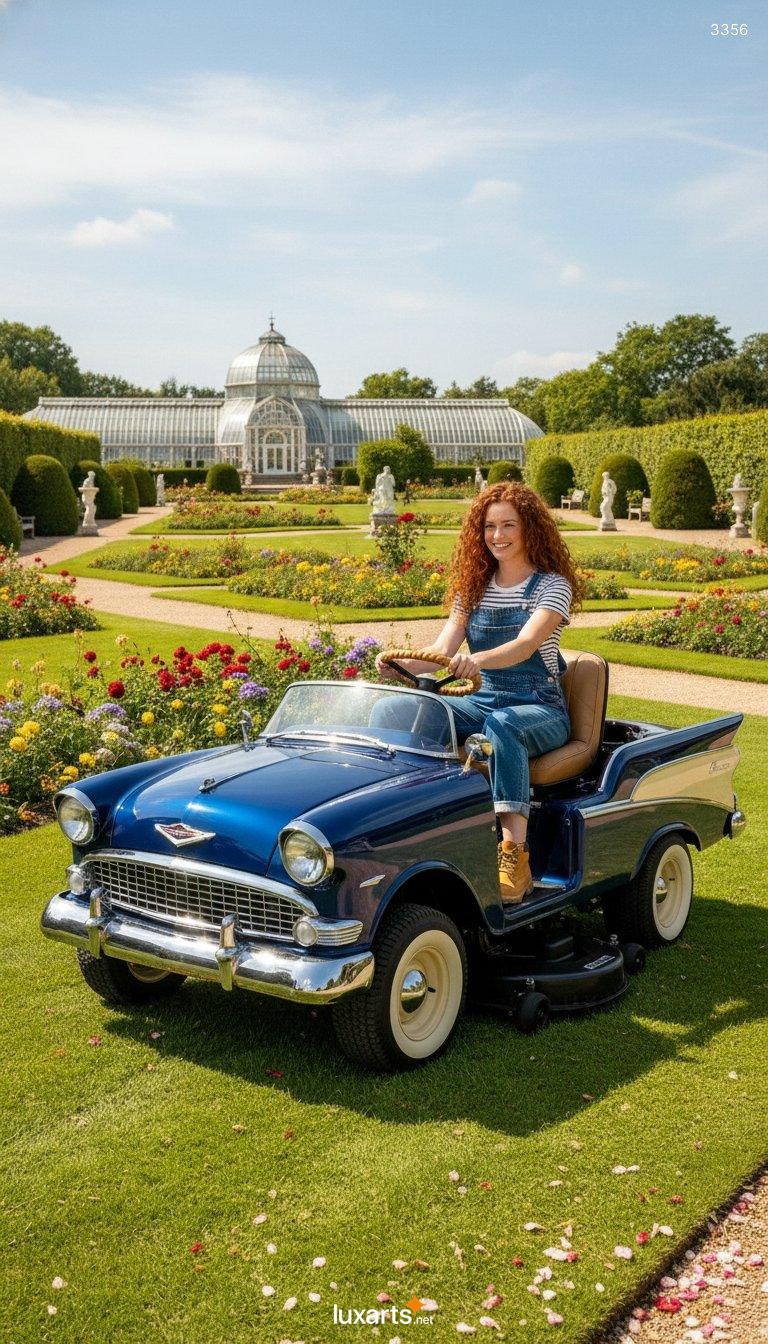
While the visual appeal of classic car riding mowers is undeniable, their value extends far beyond looks. These machines are engineered to deliver consistent, high-quality mowing performance. Most models feature robust engines, durable cutting decks, and ergonomic controls that make them suitable for medium to large lawns.
Their riding design reduces physical strain compared to push mowers, making them ideal for users who value comfort and efficiency. Many incorporate modern engineering enhancements—such as improved suspension systems, smoother transmissions, and better blade-balancing mechanisms—while maintaining the retro shell. This hybrid approach ensures that the mower remains reliable and user-friendly without compromising its nostalgic identity.
Additionally, the enclosed body design often provides better protection from grass clippings and debris, contributing to a cleaner mowing experience. The elevated seating position offers excellent visibility, allowing for precise navigation around flower beds, trees, and garden ornaments.
Ideal Settings and Environments for Use
Classic car riding mowers are particularly well-suited for specific environments where their aesthetic and functional qualities can shine. Suburban estates with expansive, well-manicured lawns provide the perfect canvas for these machines. Their presence complements homes with mid-century architecture or vintage-inspired landscaping.
They are also popular in rural settings, especially on hobby farms or properties with nostalgic or Americana-themed decor. Some owners use them in community parades, lawn shows, or vintage vehicle exhibitions, where they are admired as much for their craftsmanship as for their utility.
Interestingly, these mowers have also found a niche in commercial settings that prioritize ambiance—such as boutique resorts, heritage farms, or historic districts—where maintaining a cohesive visual theme is as important as lawn maintenance itself. In these contexts, a classic car riding mower doesn’t just cut grass; it enhances the overall sensory experience of the space.
Customization and Personal Expression
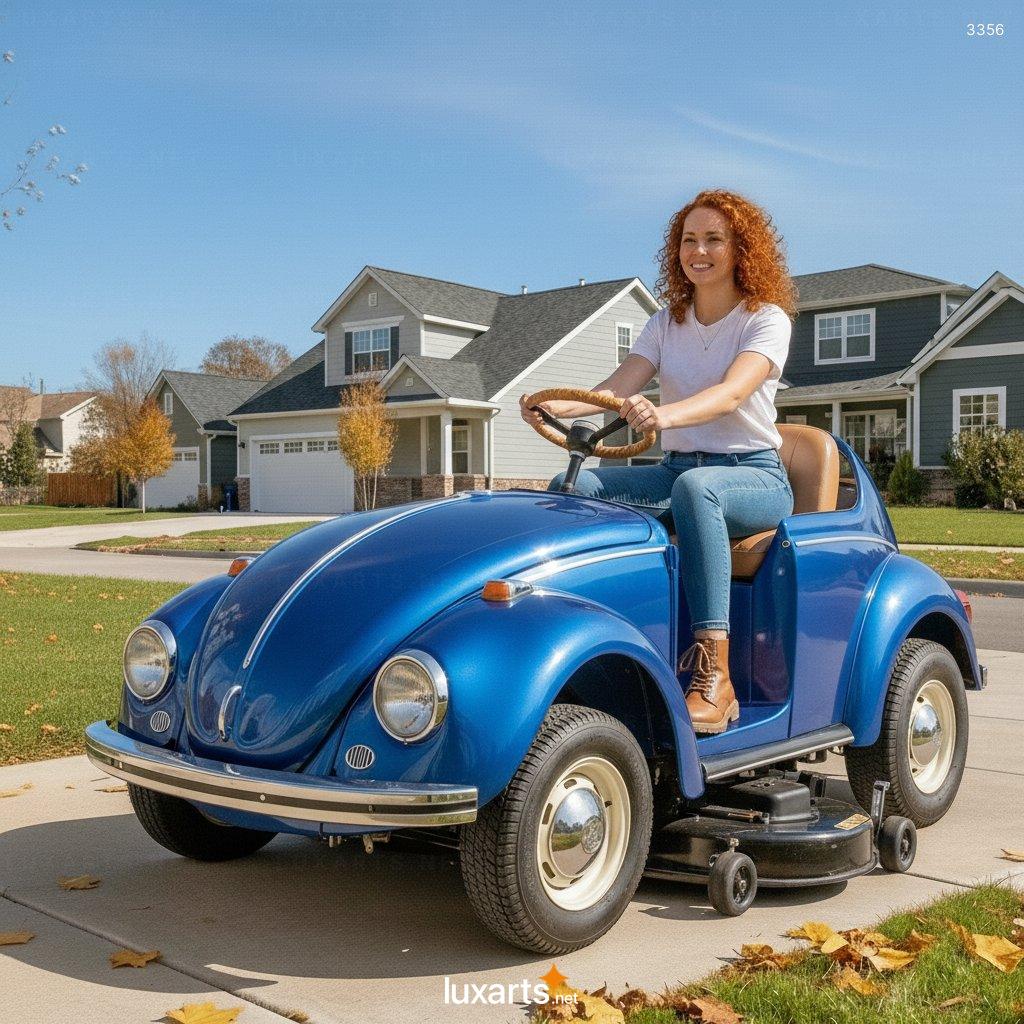
One of the most engaging aspects of owning a classic car riding mower is the opportunity for personalization. Enthusiasts often modify their machines to reflect individual tastes or pay homage to specific car models. Custom paint jobs, period-correct hubcaps, replica badging, and even sound systems that play vintage radio tunes are not uncommon.
Some owners go further by integrating period-appropriate accessories—like miniature whitewall tires, leather-trimmed seats, or vintage-style tool kits. These customizations turn each mower into a one-of-a-kind creation, blurring the line between lawn equipment and collectible art.
This culture of customization fosters a strong sense of community among owners, who often share tips, parts, and restoration stories through online forums, social media groups, and regional meetups. The act of building or restoring a classic car riding mower becomes a creative hobby in itself, combining mechanical skill with artistic vision.
Maintenance Tips for Preserving Performance and Appearance
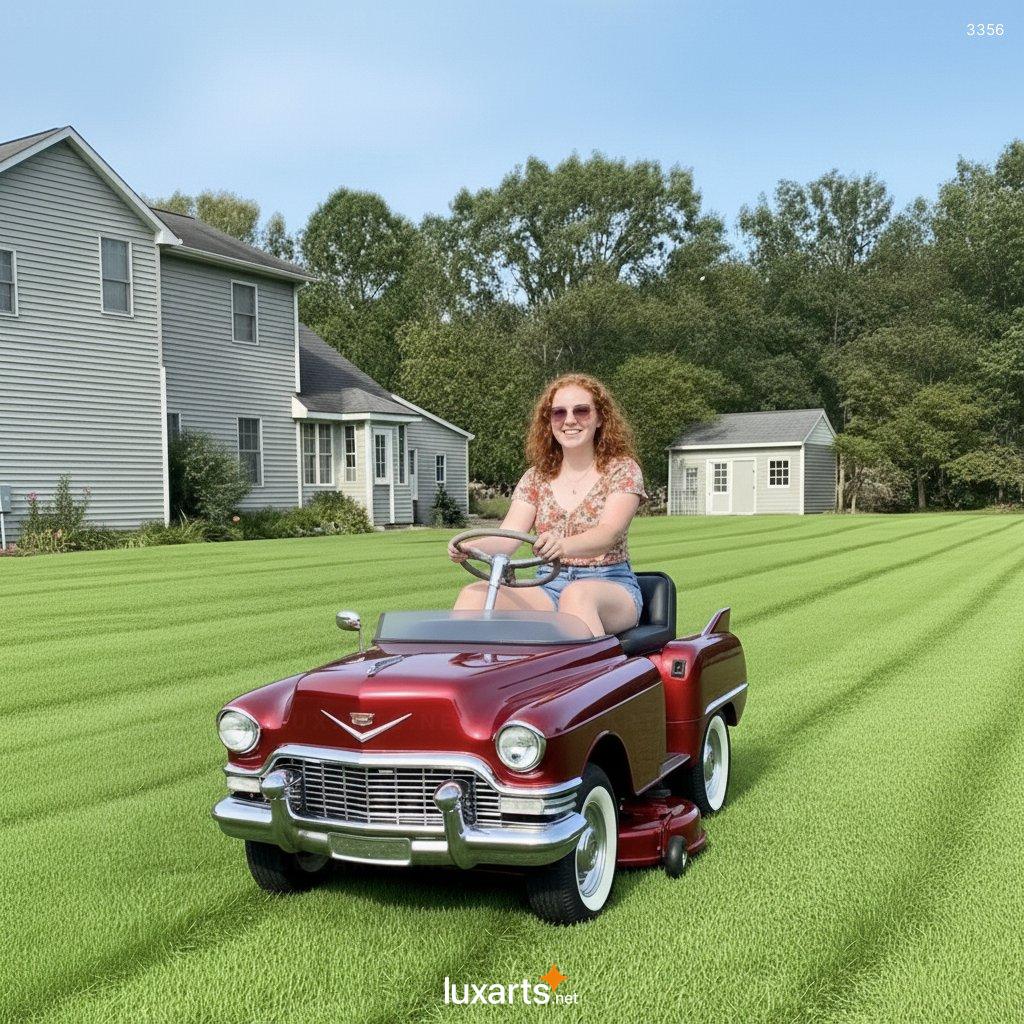
To keep a classic car riding mower running smoothly and looking its best, regular maintenance is essential. While these machines are built to last, their vintage-inspired components require attentive care.
First, routine engine checks are crucial. This includes changing the oil, replacing air and fuel filters, and inspecting spark plugs according to the manufacturer’s schedule. Keeping the engine clean and free of grass buildup helps prevent overheating and ensures consistent performance.
Second, the cutting deck should be cleaned after each use to avoid corrosion and maintain cutting efficiency. Sharpening the blades regularly guarantees a clean cut, which is healthier for the lawn and reduces strain on the engine.
Third, preserving the aesthetic elements demands special attention. Chrome parts should be polished periodically to prevent tarnishing, and painted surfaces benefit from occasional waxing to maintain their luster. Storing the mower in a dry, covered area—preferably a garage or shed—protects it from sun damage, moisture, and temperature extremes.
Finally, checking tire pressure, lubricating moving parts, and inspecting belts and pulleys will extend the machine’s lifespan and ensure safe operation. For custom or older models, sourcing replacement parts may require working with specialty suppliers or fabricating components, but many owners find this part of the charm.
Cultural Significance and Emotional Resonance
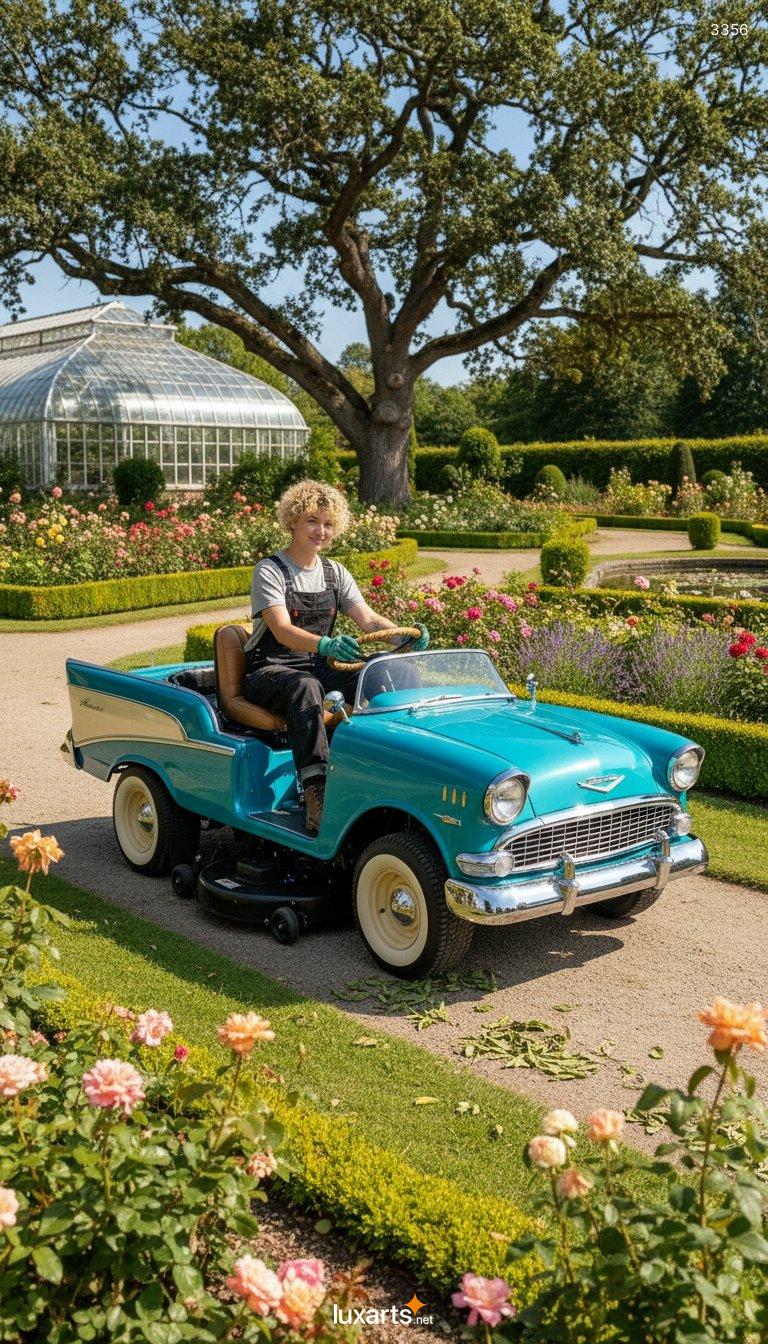
Beyond mechanics and design, classic car riding mowers carry deep cultural and emotional weight. They symbolize a slower, more deliberate pace of life—a time when machines were built to last and craftsmanship was valued over mass production. In an age of disposable technology and minimalist design, these mowers offer a tactile, human-scale alternative.
For many, operating a classic car riding mower is a meditative ritual. The hum of the engine, the scent of freshly cut grass, and the visual satisfaction of a neatly trimmed lawn combine to create a multisensory experience that connects the user to both nature and history. It’s a form of active nostalgia—one that doesn’t just recall the past but actively reenacts it in a meaningful, functional way.
Moreover, these machines often become family heirlooms, passed down through generations. Stories accumulate around them: the first time a teenager drove it, the summer it was restored together with a grandparent, the neighborhood kids who gathered to watch it roll down the driveway. In this sense, classic car riding mowers are not just tools—they are vessels of memory and tradition.
Conclusion
Classic car riding mowers represent a unique intersection of form and function, where the romance of automotive history meets the practical demands of lawn care. Their retro-inspired designs, vibrant color schemes, and thoughtful engineering make them far more than mere gardening equipment—they are mobile sculptures, personal statements, and living tributes to a golden era of American design.
Whether used on a sprawling estate, showcased at a vintage fair, or lovingly maintained in a backyard garage, these machines continue to captivate with their charm and capability. By blending nostalgic aesthetics with reliable performance, classic car riding mowers offer a deeply satisfying experience that transcends the ordinary task of mowing the lawn. They remind us that even the most routine chores can be infused with joy, creativity, and a touch of timeless style.
NOTE: All images in this post are AI-generated and intended solely for inspiration. These are not real products available for sale, and we do not operate any online store or website for purchases.