In an age where mobility, minimalism, and multifunctionality define modern travel, the demand for innovative gear that blends utility with comfort has never been greater. Enter the backpack bed—a revolutionary concept that redefines what it means to rest on the go. More than just a sleeping bag or a foldable mat, the backpack bed is a thoughtfully engineered hybrid that merges the convenience of a backpack with the comfort of a portable bed. Designed for adventurers, digital nomads, festival-goers, and emergency responders alike, this ingenious creation offers a seamless solution for those who refuse to compromise on rest, no matter where their journey takes them. This article explores the creative design inspiration, functional benefits, aesthetic versatility, ideal use cases, and essential maintenance practices that make the backpack bed a standout innovation in portable sleep systems.
What Is a Backpack Bed?
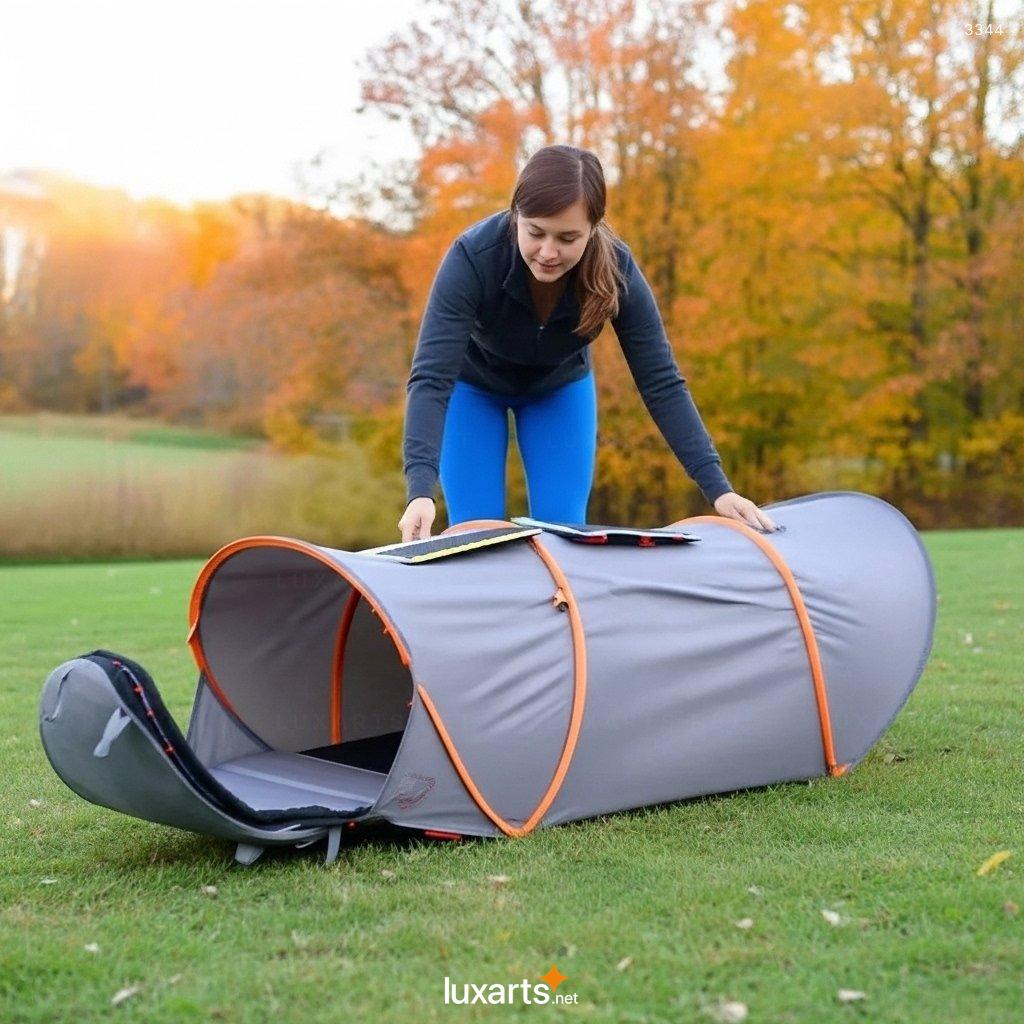
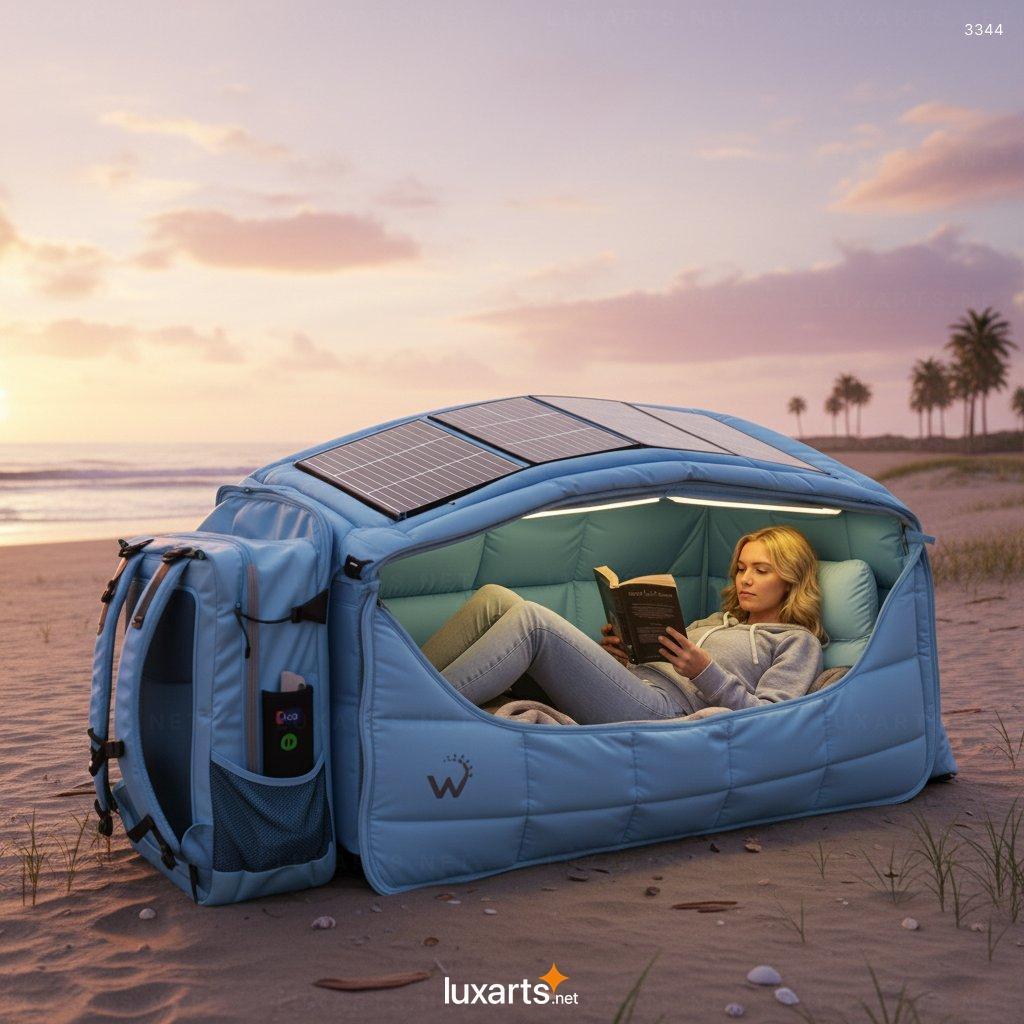
At its core, a backpack bed is a compact, wearable sleeping system that transforms from a lightweight backpack into a fully functional bed. Unlike traditional sleeping bags that require separate carrying solutions or inflatable mats that demand time and effort to set up, the backpack bed integrates both functions into a single, streamlined unit. Typically constructed with high-performance fabrics, insulating layers, and ergonomic design principles, it provides thermal comfort, ground insulation, and ease of transport—all in one.
The concept emerged from the need to address the limitations of conventional outdoor sleeping gear. Whether you’re hiking through remote trails, attending a multi-day music festival, or responding to a natural disaster, having a reliable place to sleep that doesn’t weigh you down is invaluable. The backpack bed answers this need with elegance and efficiency.
Creative Design Inspiration Behind the Backpack Bed
The genesis of the backpack bed lies at the intersection of industrial design, outdoor survivalism, and urban minimalism. Designers drew inspiration from multiple disciplines to create a product that is as functional as it is intuitive.
One major influence comes from military field gear, where soldiers have long relied on compact, all-in-one kits that maximize utility while minimizing bulk. The backpack bed echoes this philosophy by consolidating shelter, insulation, and storage into a single wearable unit.
Another source of inspiration is Japanese capsule culture and the broader minimalist movement, which emphasize space efficiency and purposeful design. Just as capsule hotels optimize every square inch for comfort, the backpack bed optimizes every gram of material for performance.
Additionally, biomimicry plays a subtle role—many backpack beds feature segmented or cocoon-like structures that mimic how animals curl up for warmth and protection. This organic approach not only enhances thermal efficiency but also creates a psychologically comforting enclosure for the user.
The result is a product that feels less like gear and more like an extension of the traveler’s body—a second skin for sleep.
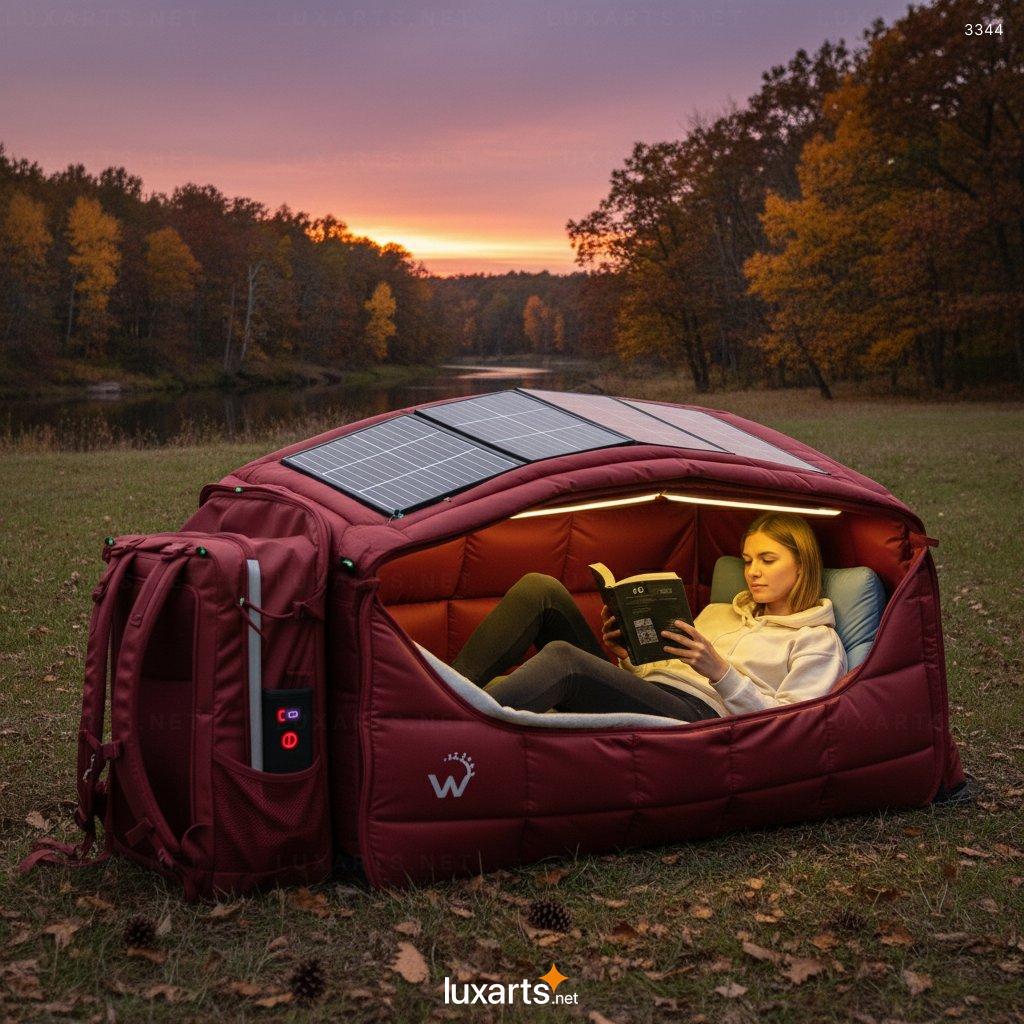
Functional Benefits of the Backpack Bed
The backpack bed offers a suite of practical advantages that cater to a wide range of users and scenarios:
1. All-in-One Portability
By eliminating the need for separate sleeping bags, mats, or stuff sacks, the backpack bed reduces packing complexity. Everything you need for a night’s rest is already on your back.
2. Rapid Deployment
Most models unfold or unzip in under a minute, allowing users to transition from travel mode to sleep mode almost instantly—ideal for spontaneous stops or emergency situations.
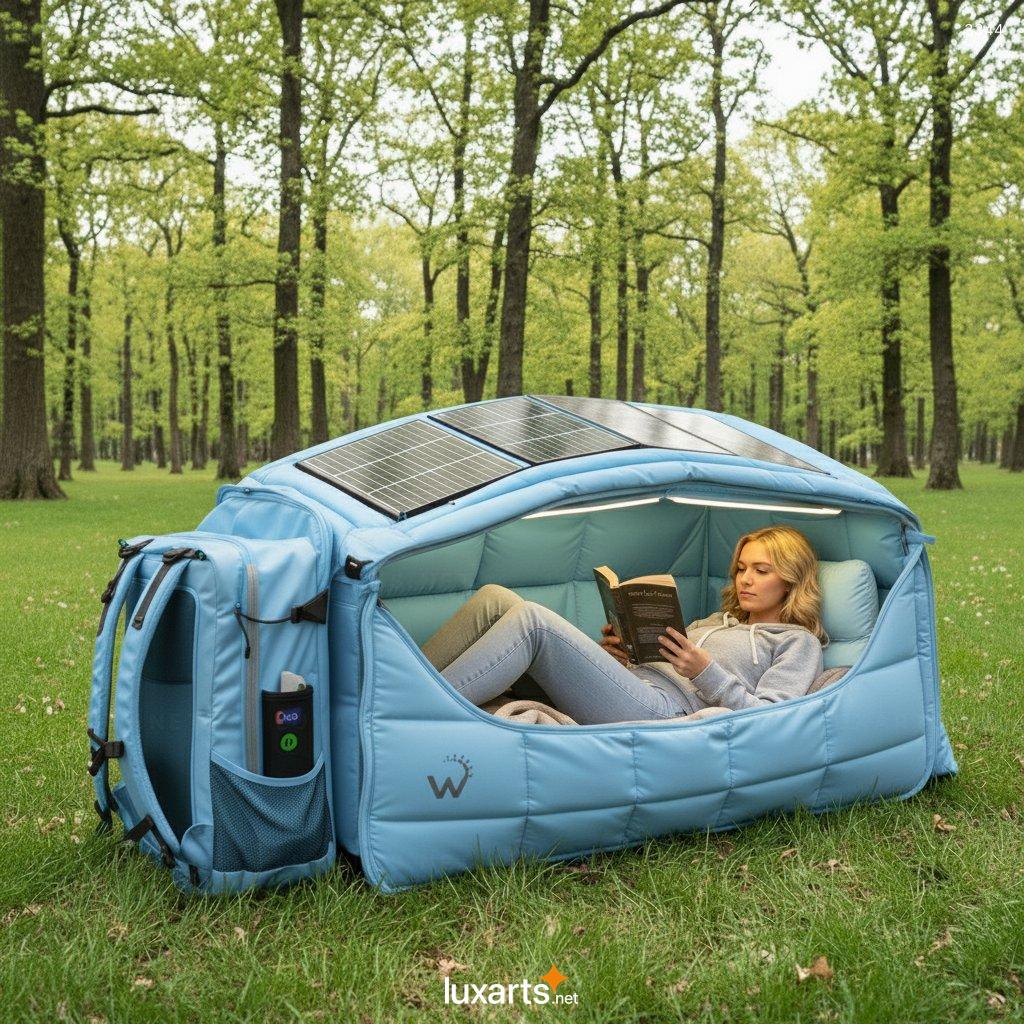
3. Thermal and Moisture Regulation
Advanced models incorporate breathable, moisture-wicking linings and insulating layers that adapt to varying climates. Some even feature reflective thermal barriers for cold environments or mesh panels for hot climates.
4. Ground Insulation and Comfort
Unlike sleeping bags that offer little protection from hard or damp ground, many backpack beds include integrated foam pads or air chambers that provide cushioning and thermal separation from the earth.
5. Hands-Free Mobility
Because it functions as a backpack during transit, users keep their hands free for navigation, photography, or carrying additional supplies—enhancing both safety and convenience.
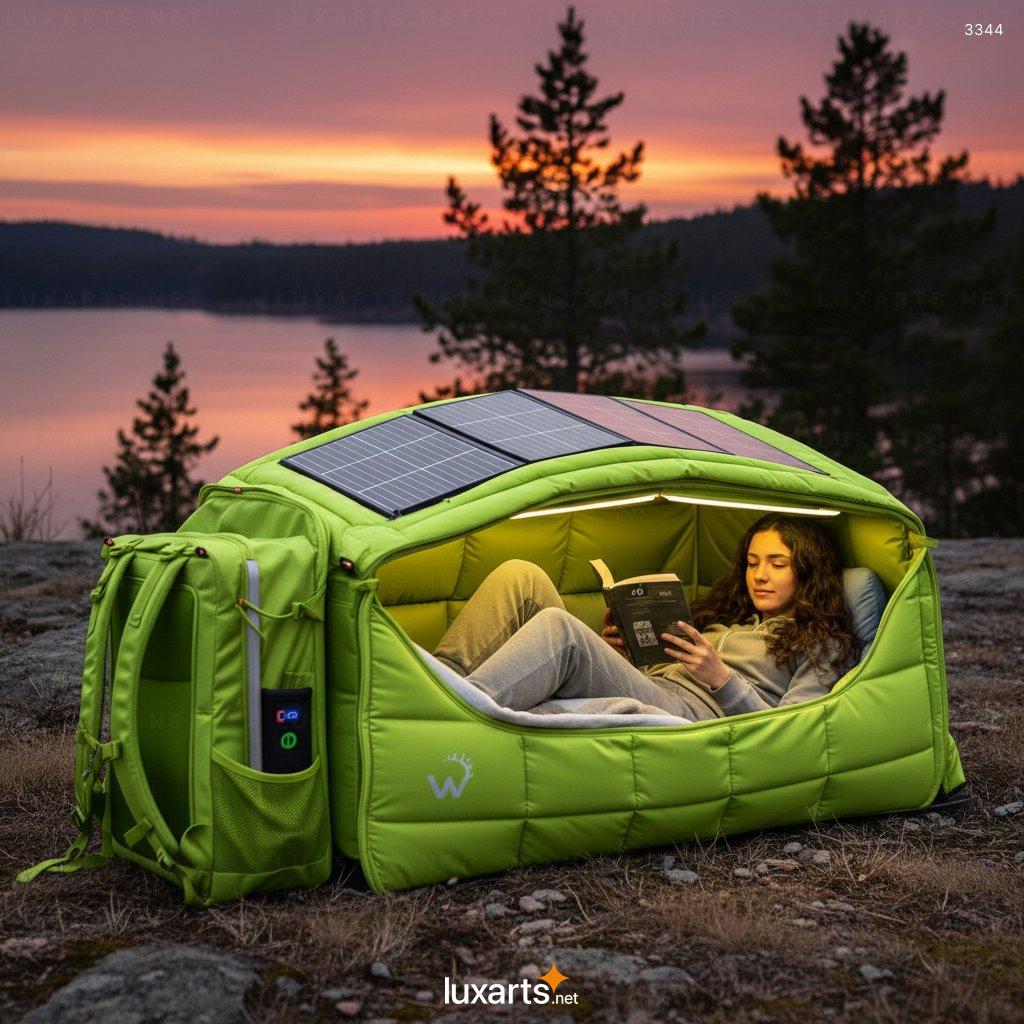
Aesthetic Versatility: Colors and Visual Identity
While functionality is paramount, the visual design of the backpack bed also plays a crucial role in its appeal. Modern versions come in a curated palette that balances practicality with personal expression.
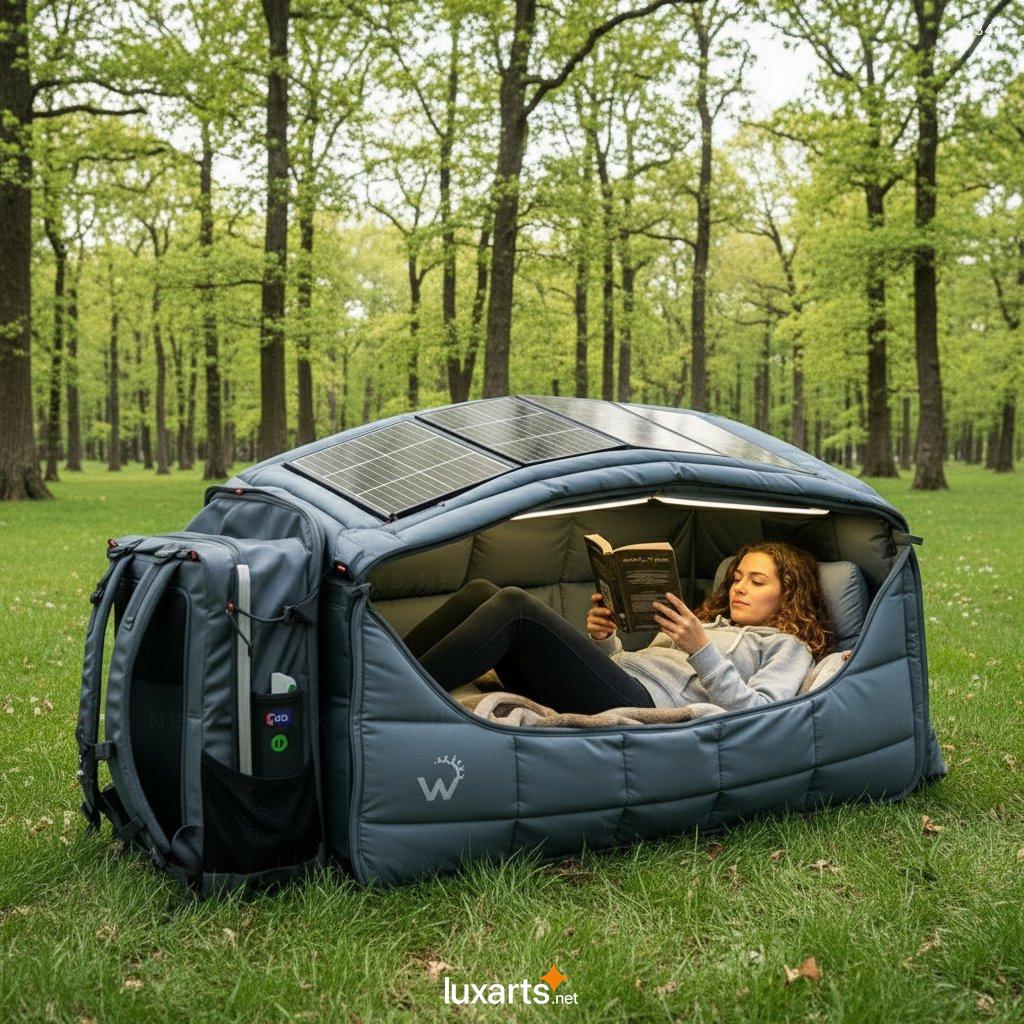
Neutral tones like charcoal gray, olive green, and navy blue dominate the market, offering camouflage-like discretion in natural settings and professional polish in urban environments. These colors also resist visible wear and staining—ideal for frequent use.
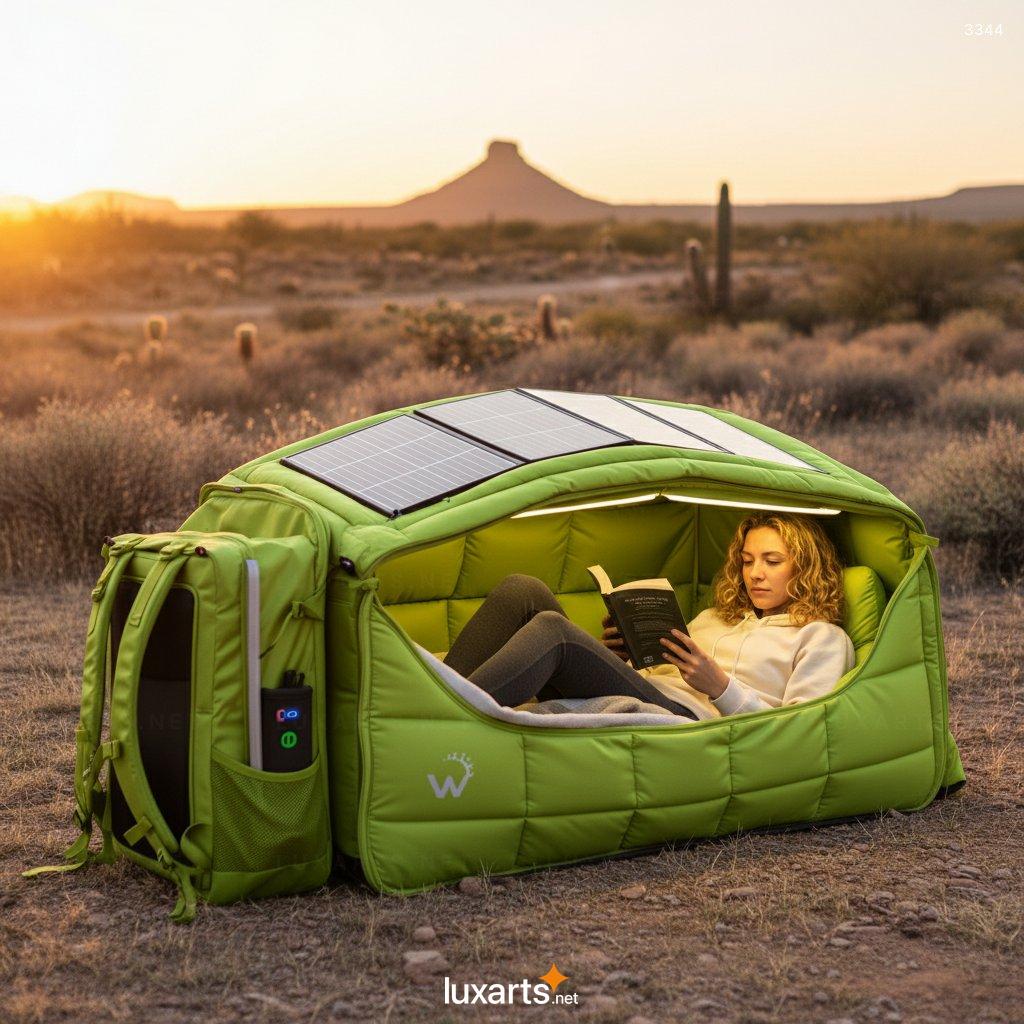
For those seeking vibrancy, bold accent colors such as burnt orange, electric blue, or deep crimson are available. These not only reflect individual style but also enhance visibility in low-light or emergency scenarios—a subtle safety feature.
Moreover, many designs incorporate modular panels or interchangeable shells, allowing users to customize the look of their backpack bed without altering its core function. This blend of form and function ensures that the backpack bed is not just a tool, but a statement of identity for the modern traveler.
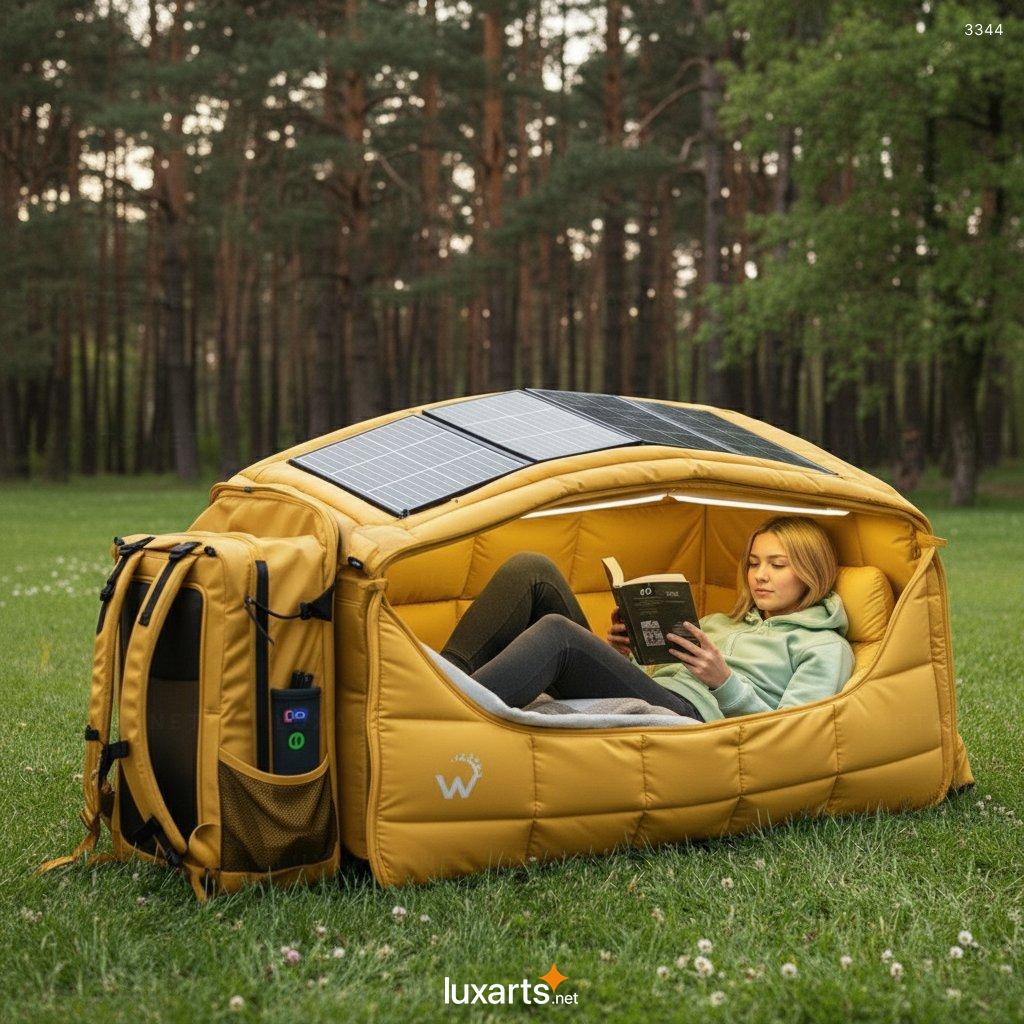
Ideal Places and Scenarios for Using a Backpack Bed
The versatility of the backpack bed makes it suitable for a surprisingly wide array of contexts:
1. Backpacking and Wilderness Trekking
In remote areas where campsites are scarce or terrain is uneven, the backpack bed provides reliable, lightweight shelter that adapts to the environment.
2. Music Festivals and Outdoor Events
Festival-goers often face long days and limited sleeping options. The backpack bed allows them to rest comfortably between sets without lugging extra gear.
3. Urban Exploration and Digital Nomadism
For travelers working remotely from cities around the world, the backpack bed offers a clean, private sleeping solution in shared hostels, co-living spaces, or even airport lounges during layovers.
4. Humanitarian and Emergency Response
Relief workers and volunteers in disaster zones benefit from the backpack bed’s rapid deployment and self-contained nature, especially when infrastructure is compromised.
5. Minimalist Living and Van Life
Those embracing tiny homes or vehicle-based lifestyles appreciate the space-saving design, which eliminates the need for bulky bedding systems.
In each of these scenarios, the backpack bed transcends its physical form to become a symbol of adaptability and resilience.
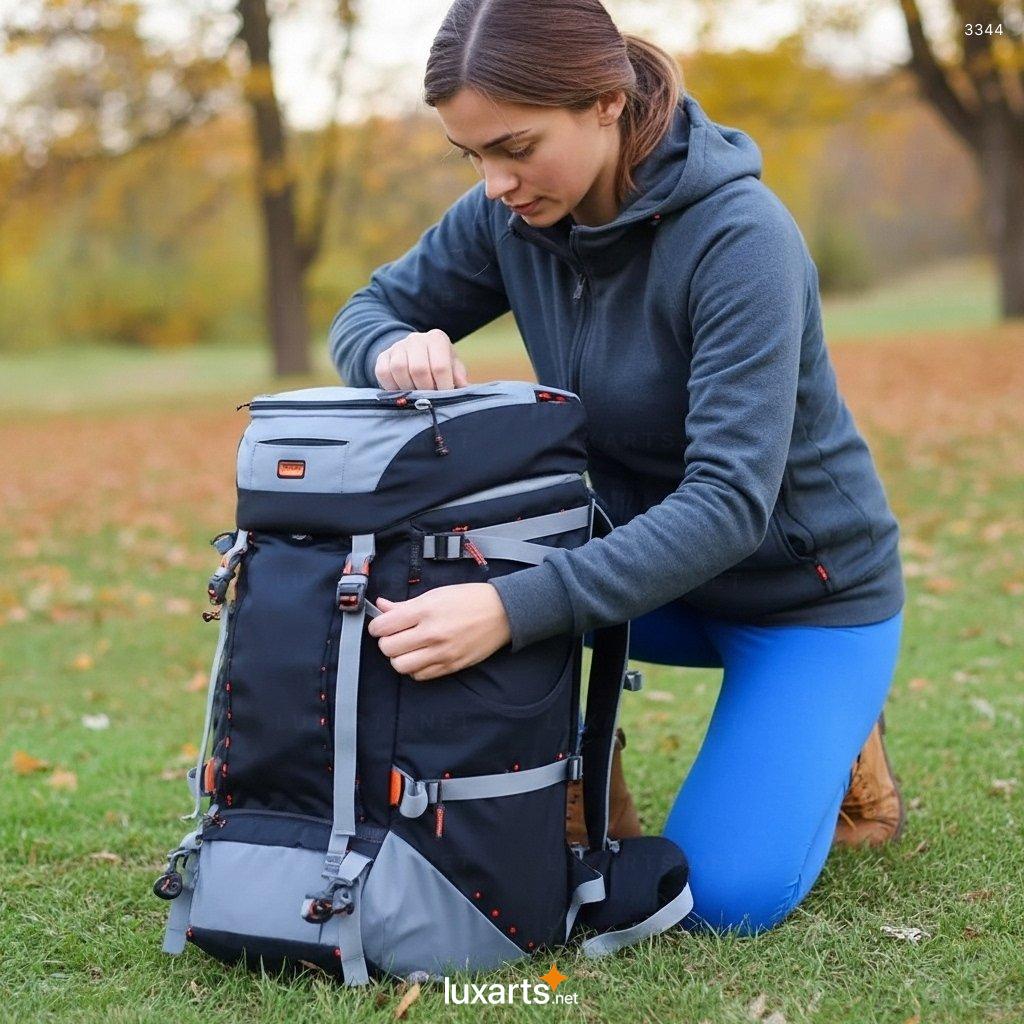
How the Backpack Bed Enhances Sleep Quality on the Go
Sleep is not merely a biological necessity—it’s a cornerstone of cognitive function, emotional stability, and physical recovery. Yet, traditional travel sleeping solutions often compromise comfort for convenience. The backpack bed bridges this gap.
Its ergonomic shape supports natural spinal alignment, reducing morning aches. The breathable fabric prevents overheating, while the insulated base blocks ground chill—two common disruptors of outdoor sleep. Additionally, the enclosed design can create a sense of psychological safety, mimicking the feeling of being tucked in, which is especially comforting in unfamiliar environments.
For frequent travelers who struggle with jet lag or irregular sleep schedules, the consistency offered by a familiar sleep system can significantly improve rest quality. In essence, the backpack bed doesn’t just provide a place to sleep—it cultivates a ritual of rest, wherever you are.
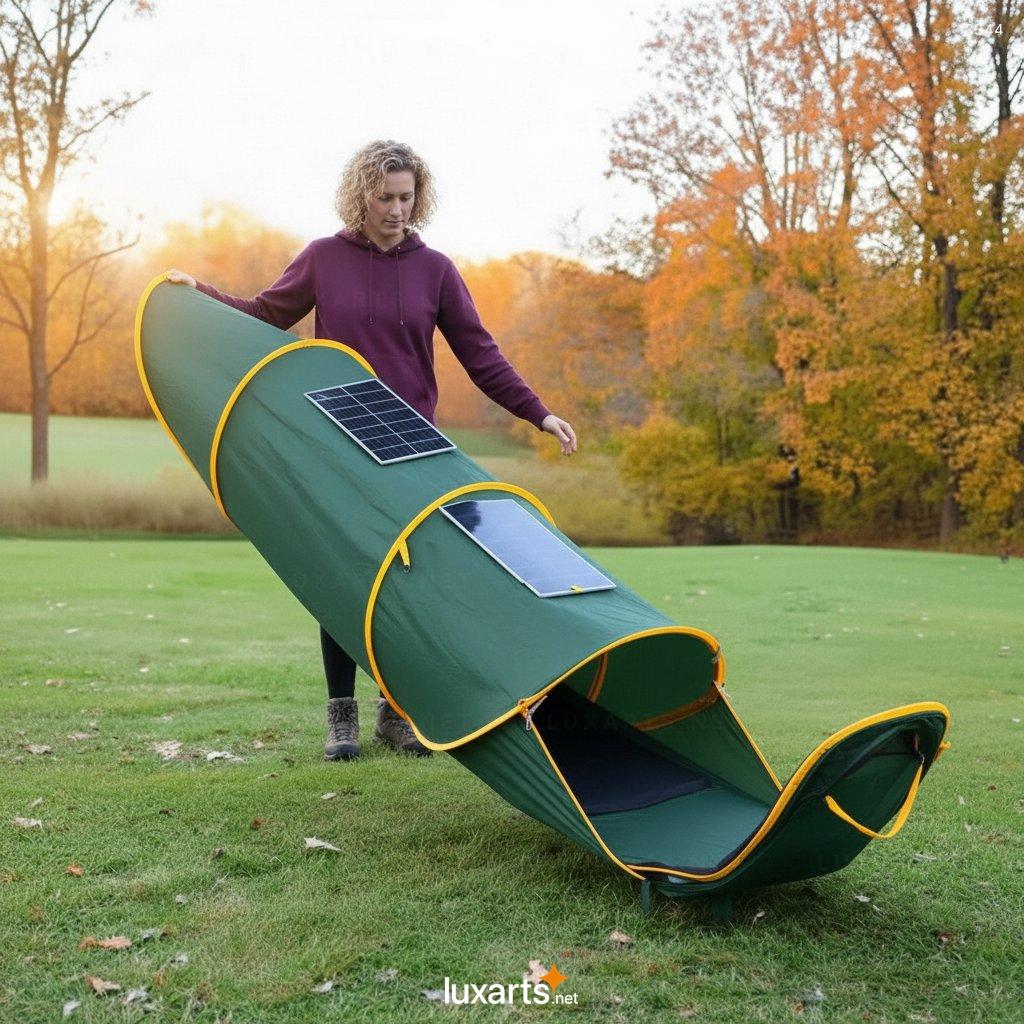
Maintenance and Care Tips for Longevity
To ensure your backpack bed remains reliable and hygienic over time, proper maintenance is essential. Here are key care practices:
1. Regular Cleaning
After each use—especially in dusty or humid environments—air out the interior to prevent mold and odor buildup. Most models can be spot-cleaned with mild soap and water. Avoid harsh detergents that may degrade waterproof coatings.
2. Proper Storage
Never store the backpack bed while damp. Always ensure it’s completely dry before packing it away. Store it loosely in a cool, dry place to preserve fabric elasticity and prevent compression damage to insulation layers.
3. Zipper and Seam Inspection
Periodically check zippers, seams, and fasteners for wear. Lubricate zippers with silicone-based products (never oil-based) to maintain smooth operation.
4. UV Protection
Prolonged sun exposure can weaken synthetic fibers. When not in use outdoors, keep the backpack bed shaded or covered.
5. Seasonal Rotation
If you own multiple models (e.g., a summer mesh version and a winter insulated one), rotate them based on climate to extend the life of each unit.
With consistent care, a high-quality backpack bed can serve reliably for years, becoming a trusted companion across countless journeys.
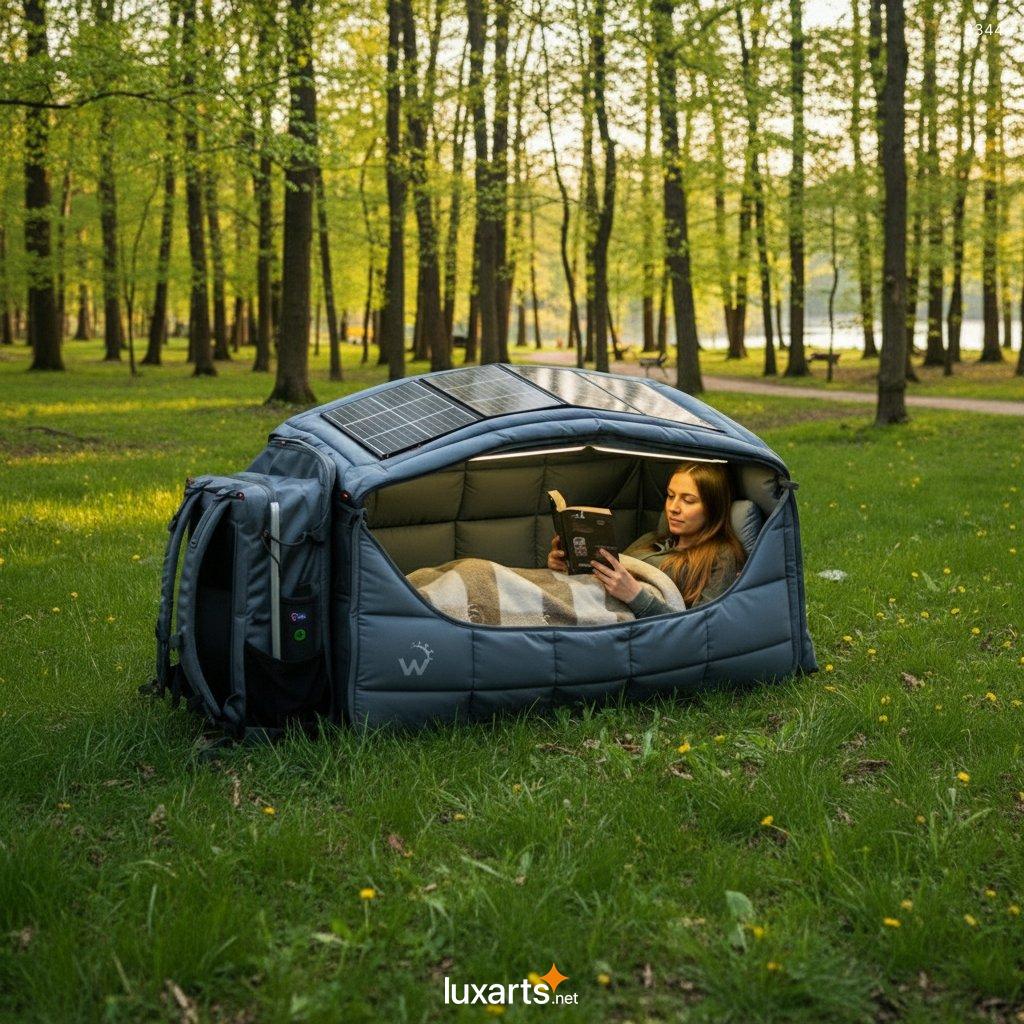
Environmental Considerations and Sustainable Innovation
As global awareness of environmental impact grows, many backpack bed manufacturers are embracing sustainable practices. This includes using recycled polyester, PFC-free water repellents, and biodegradable insulation materials. Some brands also design for modular repairability, allowing users to replace worn components rather than discard the entire unit.
Furthermore, the very nature of the backpack bed promotes sustainability: by consolidating multiple items into one, it reduces overall resource consumption and waste. For eco-conscious travelers, this aligns perfectly with the principles of low-impact exploration.
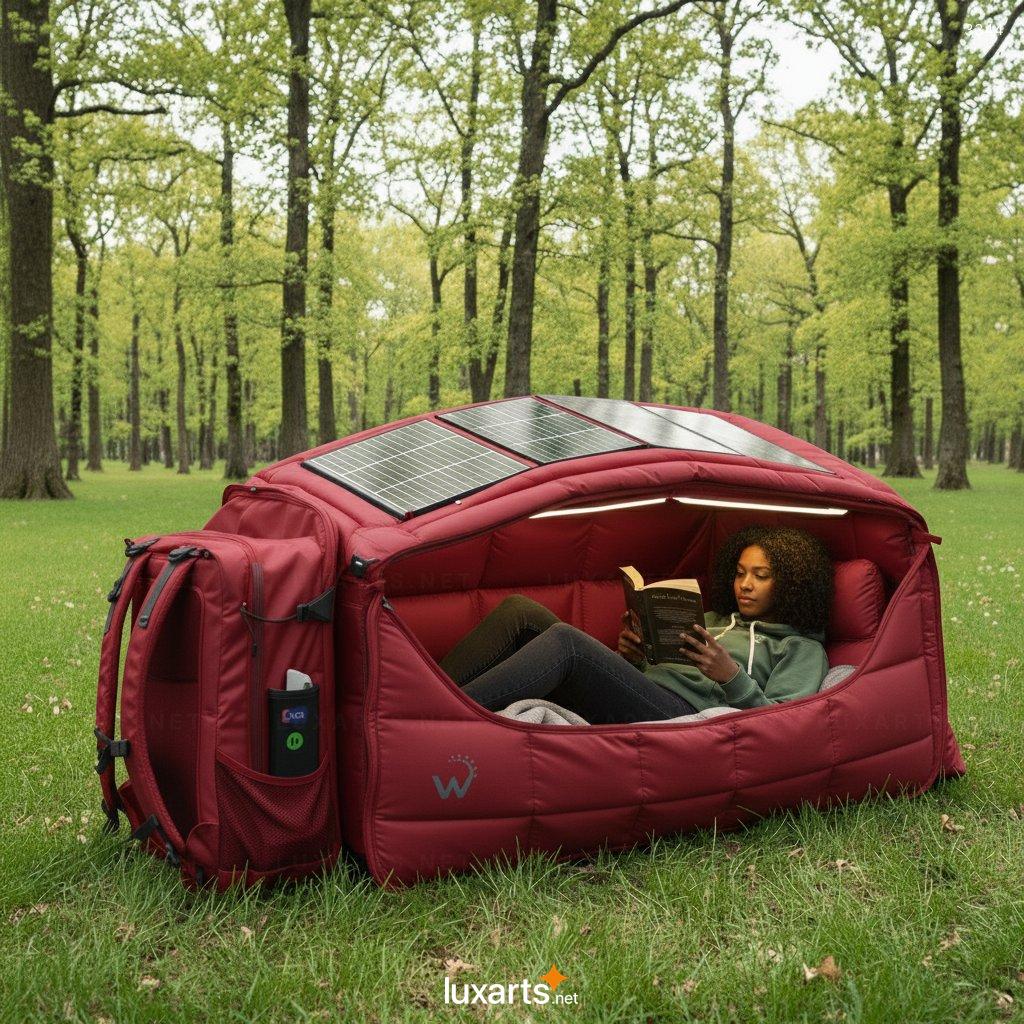
The Future of Portable Sleep: Where the Backpack Bed Is Headed
The backpack bed is not a static product—it’s a platform for ongoing innovation. Emerging trends suggest future iterations may include:
- Smart integration, such as embedded temperature sensors or sleep-tracking fabrics.
- Solar-receptive exteriors that passively warm the interior in cold climates.
- Modular add-ons, like detachable pillows, mosquito nets, or privacy hoods.
- Adaptive materials that change thickness or breathability based on ambient conditions.
As technology and material science advance, the line between clothing, gear, and shelter will continue to blur—and the backpack bed will likely lead this evolution.
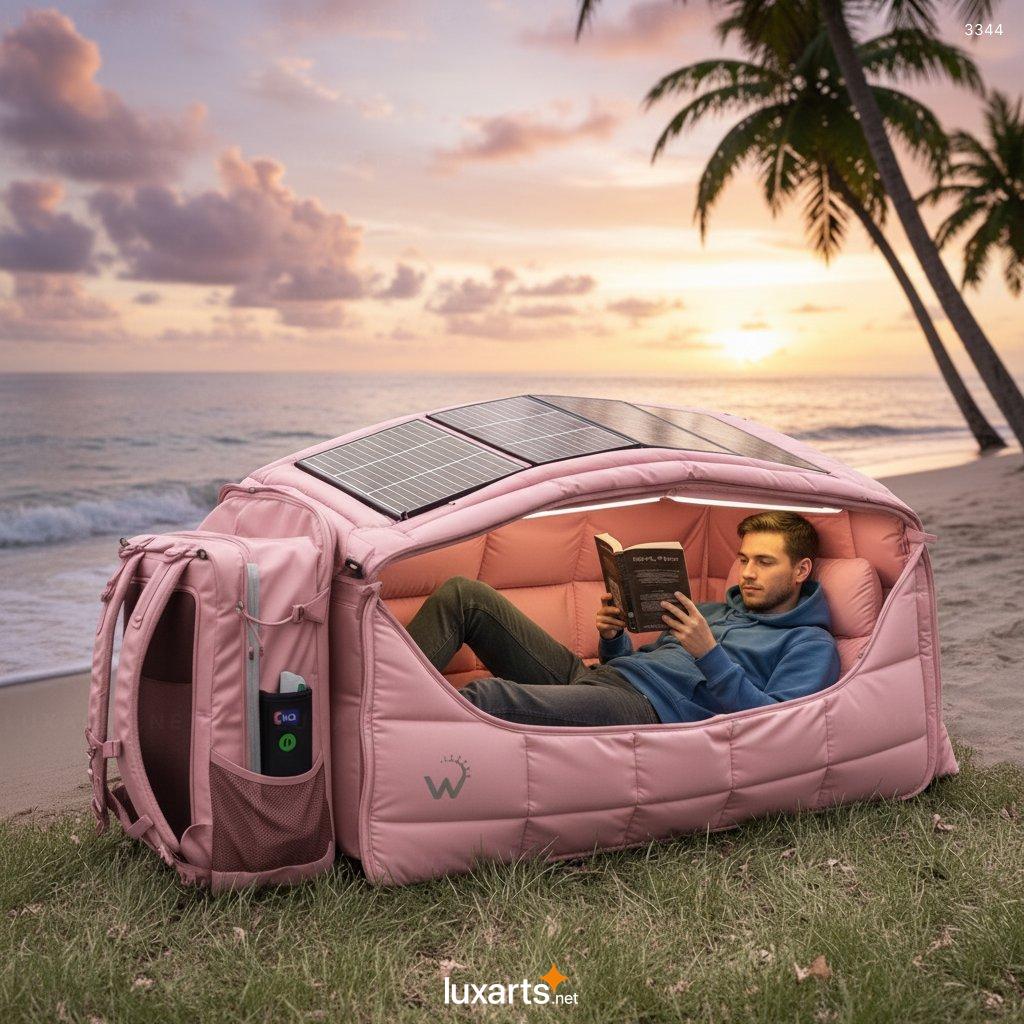
Conclusion: Redefining Rest for the Modern Explorer
The backpack bed is far more than a clever piece of gear—it’s a paradigm shift in how we think about rest, mobility, and preparedness. By fusing the portability of a backpack with the comfort of a bed, it empowers travelers to sleep well anywhere, without sacrificing space, weight, or style. Its thoughtful design, inspired by nature, necessity, and human ingenuity, speaks to a broader cultural movement toward intentional, adaptable living.
Whether you’re summiting a mountain at dawn, navigating a foreign city at midnight, or providing aid in a crisis zone, the backpack bed ensures that one of life’s most basic needs—rest—is never left to chance. In a world that never stops moving, it offers a rare gift: the ability to carry your sanctuary with you, wherever the path may lead.
With its blend of innovation, practicality, and aesthetic refinement, the backpack bed isn’t just the ultimate portable sleeping solution—it’s the future of travel itself.
NOTE: All images in this post are AI-generated and intended solely for inspiration. These are not real products available for sale, and we do not operate any online store or website for purchases.