Novelty Giant Plush Cave Hideout Bed – Soft, Cozy Kids’ Play Nook with Entry Tunnel
Every child eventually finds the smallest space in the house and decides it is theirs. It might be the gap beneath a staircase, the inside of a laundry basket, or a tent made from kitchen chairs and a bedsheet. What these places share is a feeling: tucked in, hidden, and a little bit in charge. Children do not need anyone to explain why a small, enclosed space feels good. They simply crawl in and stay.
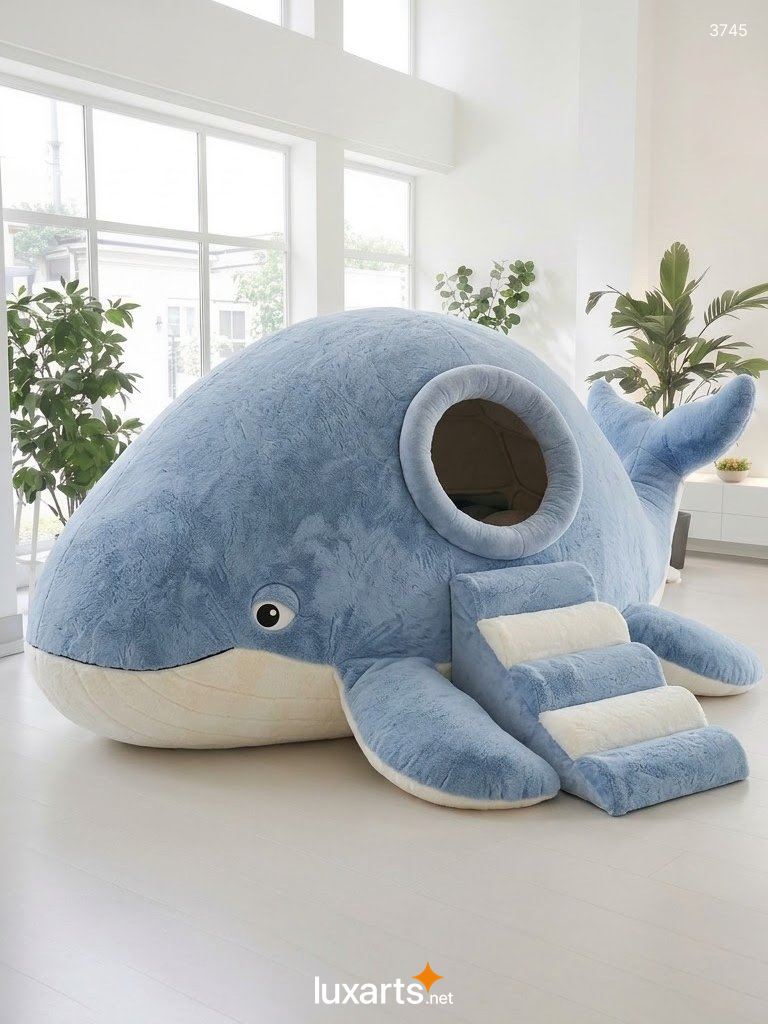
A novelty giant plush cave hideout bed is designed around that feeling. It is a soft, padded structure shaped like something fun, such as an ice cream cone, a whale, a camper van or a pirate ship, with a round entry tunnel that leads into a snug interior. The outside catches the eye from across the room. The inside holds the child.
This article explores the details that make these play nooks work: the entry tunnel that turns arrival into an event, the plush materials that make everything feel gentle, the cozy interior, and the many ways children use the space across a day and across the years. It also covers safety, placement and care, so families can picture how a novelty giant plush cave hideout bed fits into real life.
What Makes a Play Nook Different From Ordinary Kids’ Furniture
Most children’s furniture is a smaller version of adult furniture. A small chair, a small table, a small bed. It does its job, but it rarely invites a child to imagine anything. A play nook works from the opposite direction. It starts with the experience of being a child and builds a place around it.
The term “nook” matters here. A nook is a small, sheltered corner, somewhere you go to settle in. When that corner is built from thick foam and velvety fabric, shaped like a friendly animal or a vehicle, and given a rounded doorway at child height, it becomes something between a toy, a bed and a tiny house. A novelty giant plush cave hideout bed sits right in that overlap, and that overlap is why it holds attention for so long. A child can climb on it in the morning, serve imaginary dinners in it at noon, read inside it in the afternoon and fall asleep in it at night.
The Entry Tunnel: The Heart of the Design
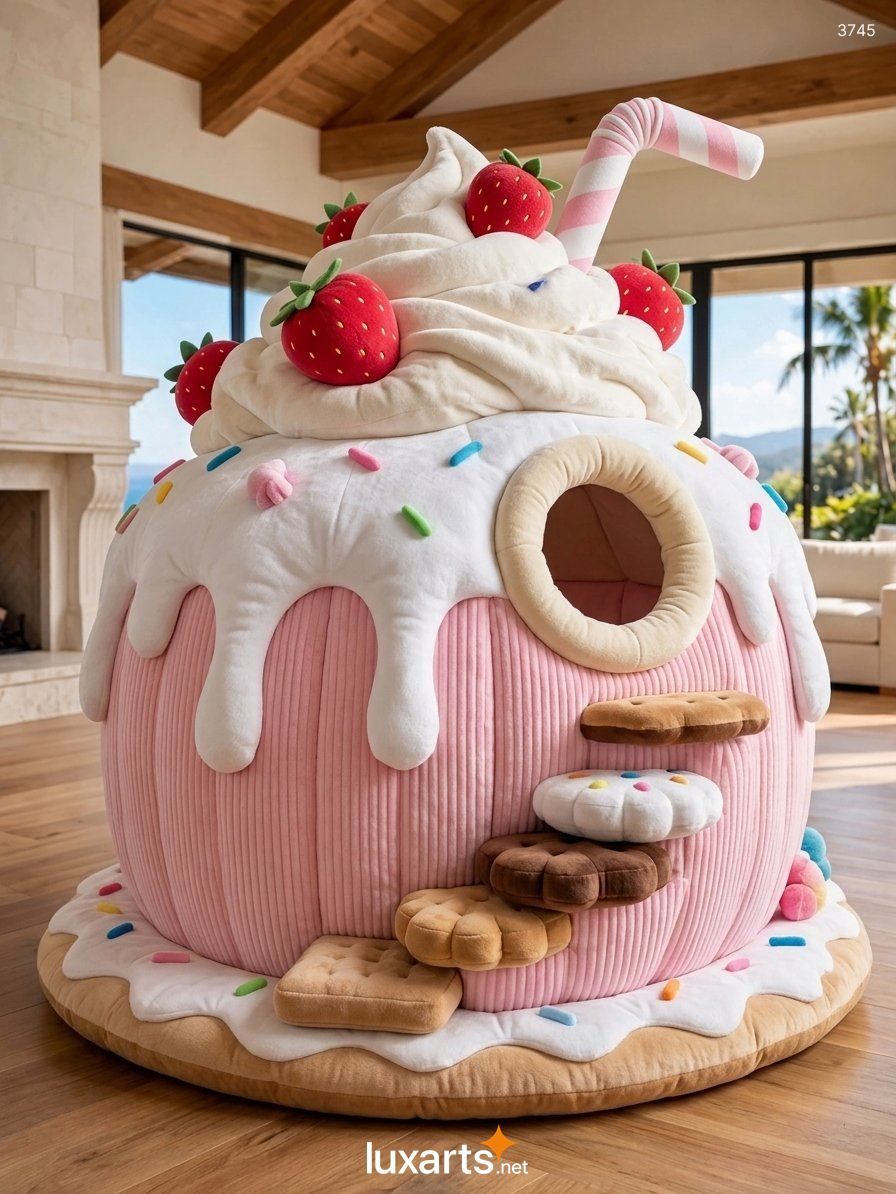
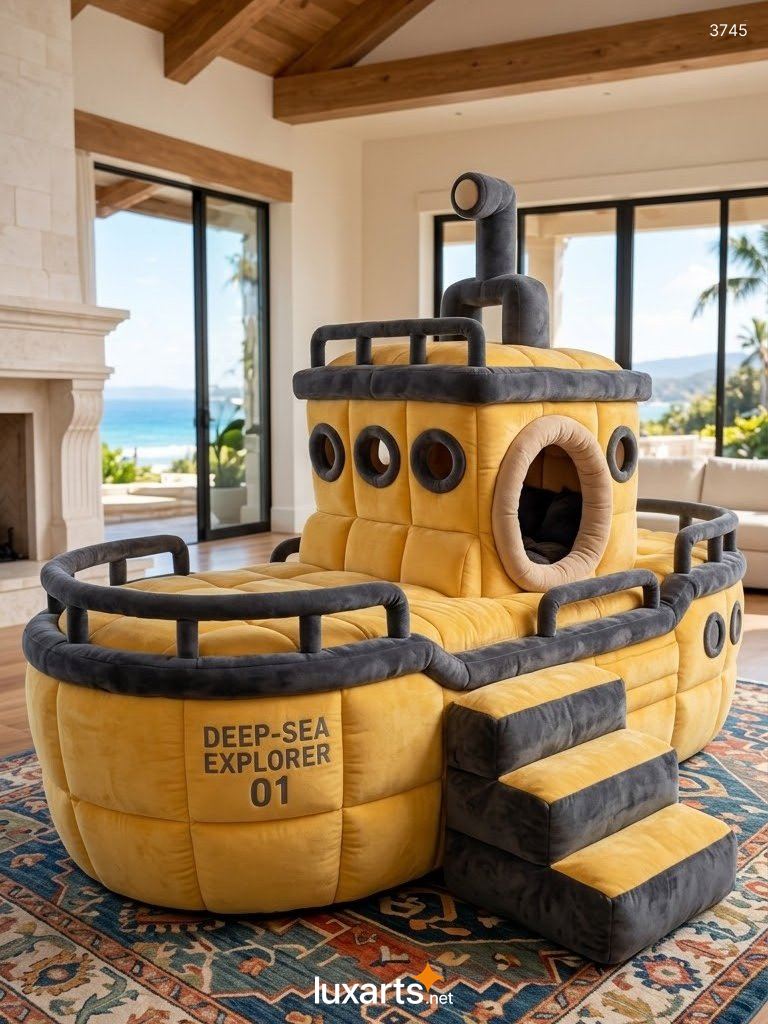
Look at any well-made hideout and your eye goes straight to the opening. It is usually ringed with a thick, contrasting border, perhaps tan against a blue whale body, cream against a pink cupcake, or a sandy ring around a yellow submarine hatch. That ring is not only decoration. It tells the child exactly where to go.
The Moment of Crossing the Threshold
Passing through a doorway changes how people feel, and children notice this more than adults do. The act of ducking through a rounded tunnel marks a clear line between the open room and the private space. Outside, there are lights, voices and a hundred things to do. Inside, the sounds soften, the light turns warm and the walls curve close. That small transition is a signal that something different is happening now, and many children respond to it with visible relief.
The tunnel also gives the child a sense of accomplishment. They had to climb a step or two, find the opening and wriggle through. Getting in is part of the game, and it makes the cave feel earned rather than simply handed over.
Sizing and Shape of the Opening
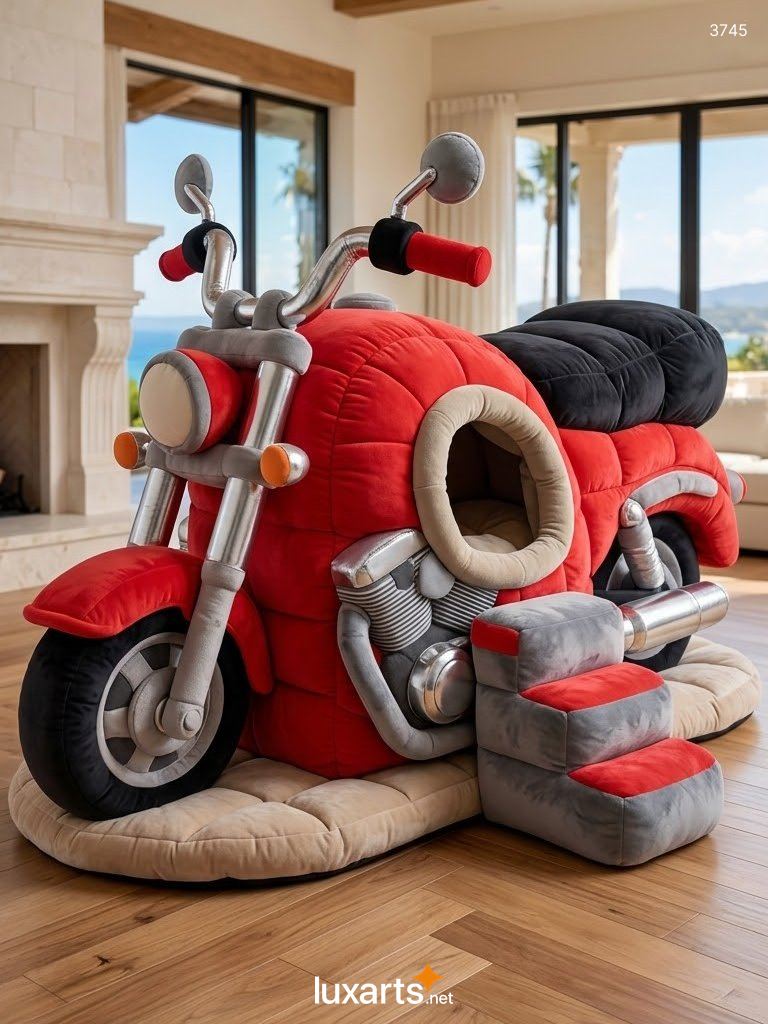
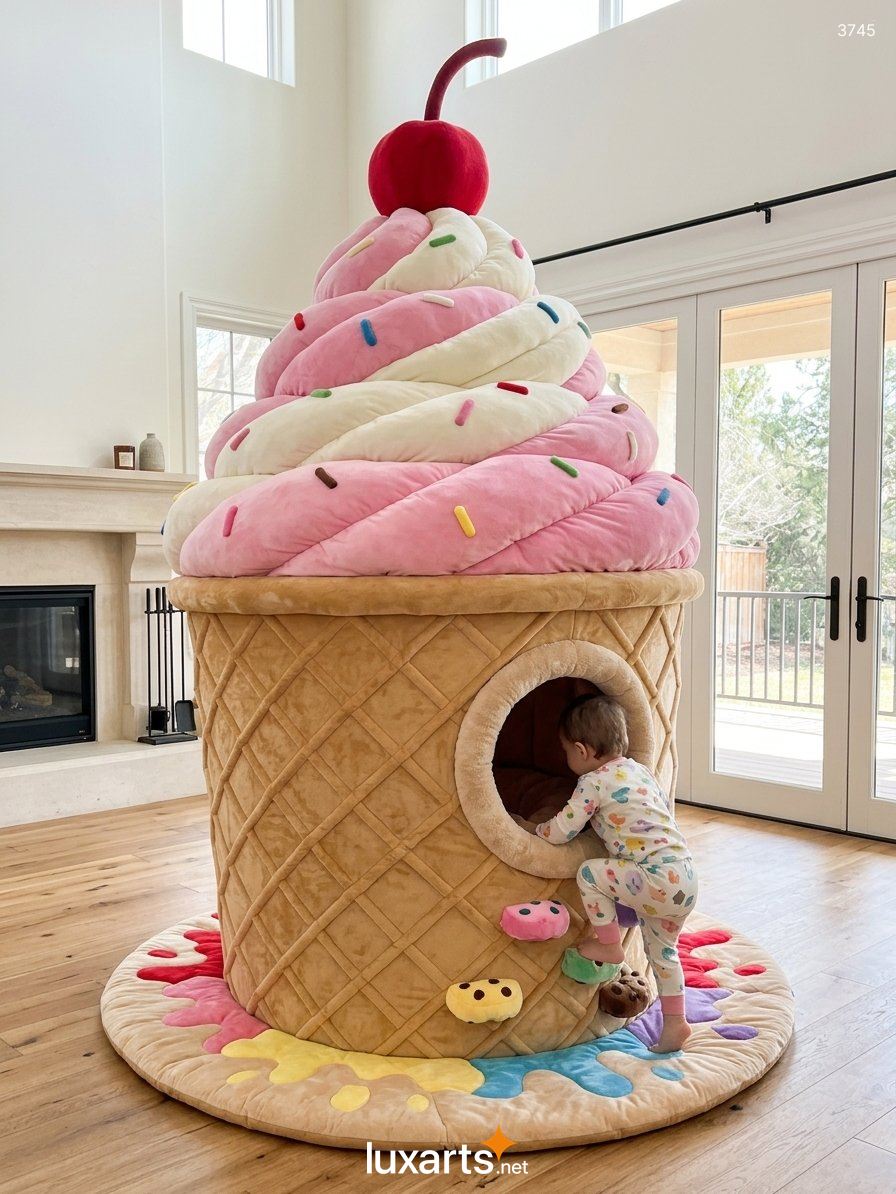
The best entry tunnels are generous. A round or softly oval opening, wide enough for a child to crawl through without squeezing, keeps the experience comfortable and keeps air moving through the space. Thick padding around the rim protects heads and shoulders. Some designs place the opening low on the body for easy crawling. Others set it higher and pair it with a short set of padded steps, which turns the entrance into a small climbing challenge.
Whatever the height, the opening should read as obviously safe: no hard edges, no tight corners, and a clear view of the daylight on the other side or at least the room behind the child.
A Tunnel as a Physical Workout
Crawling through a tunnel is one of the best whole-body movements a young child can practice. It asks for coordination between arms and legs, spatial judgment about how much room there is, and steady core strength. For toddlers who are still mastering movement, repeated trips through the entry tunnel are a game and a workout at once. Older children use it differently, sliding in headfirst, backing out like explorers, or racing a sibling to see who reaches the inside first.
Soft Materials: Why Plush Matters
The word “plush” appears in the name for a reason. The fabric and padding are not secondary details. They define the whole experience of a novelty giant plush cave hideout bed.
Texture and Touch
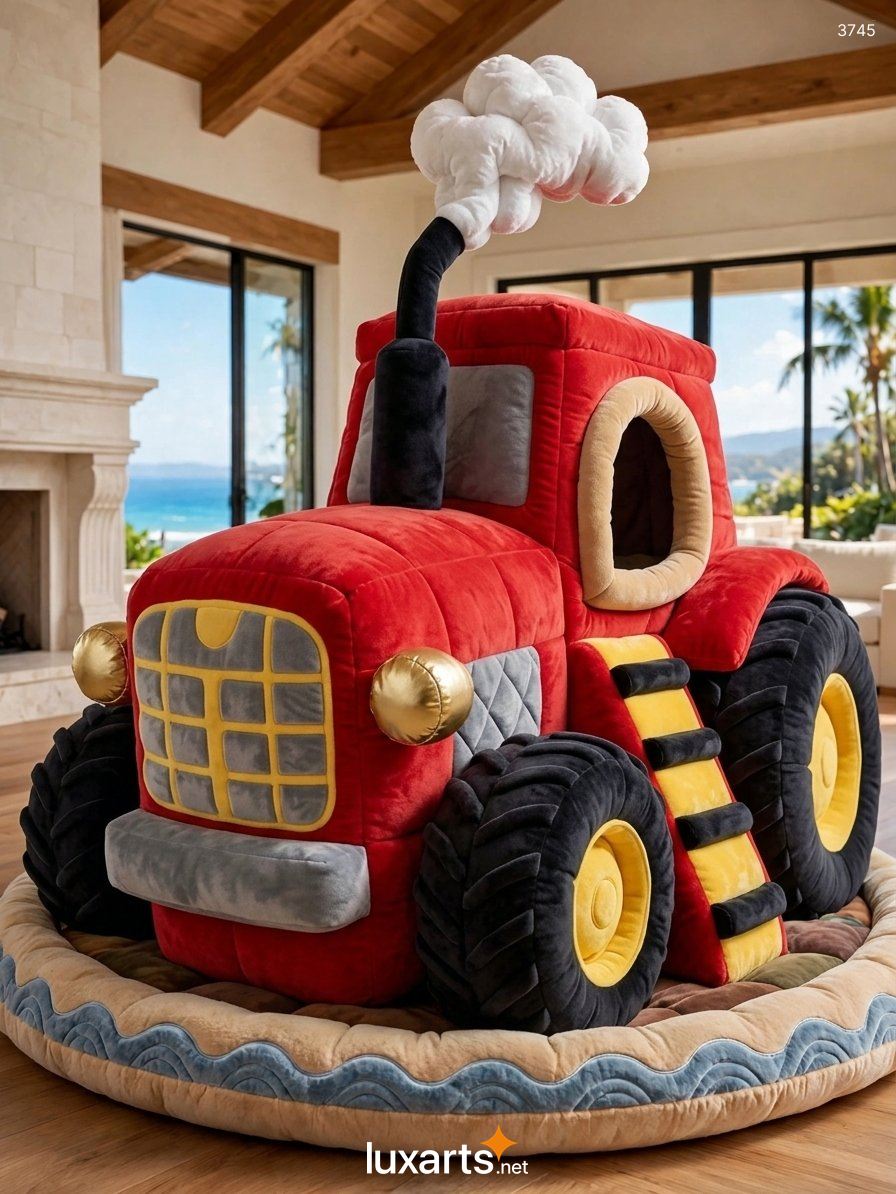
Children explore the world through their hands and skin. A surface that feels velvety, fleecy or lightly ribbed gives them something pleasant to touch every time they climb in. A whale covered in short, dense fur feels like a giant stuffed animal. A ribbed pink cylinder reminds the hand of corduroy. A glossy gold headlight on a tractor adds a contrast that begs to be pressed. Variety in texture keeps the sensory experience interesting without becoming overwhelming.
Padding and Quilting
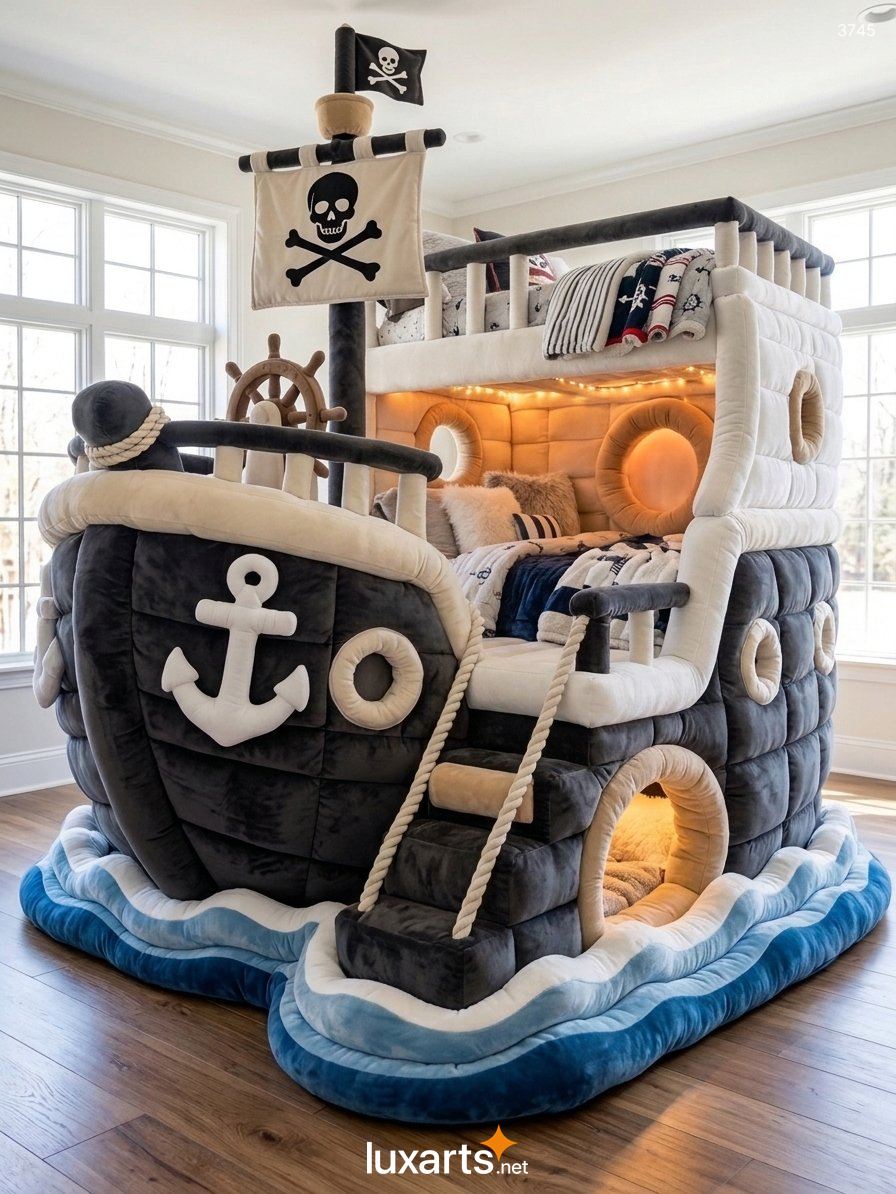
Thick foam beneath the fabric gives the structure its shape and its softness. Quilted seams, the kind you see on a ship hull or a camper van body, do two jobs. They divide the padding into stable sections so it holds its form, and they give the surface a pleasant, pillowy look. When a child leans against the wall or tumbles into it, the cushioning absorbs the movement instead of pushing back.
Colors That Calm or Energize
Color shapes mood. Soft blues, creams and pale pinks tend to feel restful, which suits a bedroom or a reading corner. Bright reds and sunny yellows feel energetic and playful, which suits a playroom. Many designs mix both, with a lively exterior and a calm, neutral interior. That combination gives the child excitement on the way in and quiet once they have settled.
Cozy by Design: Creating Warmth Inside the Cave
Cozy is a feeling made from several small things working together. In a novelty giant plush cave hideout bed, the interior is where most of those things live.
A soft, cushioned floor gives the child a comfortable place to sit, sprawl or lie down. Warm, neutral inner fabrics, such as tan, oatmeal or cream, bounce light gently and make the space feel like a burrow. The curved walls close in just enough to feel protective without crowding anyone.
Lighting adds the final layer. A string of warm lights along the ceiling or the edge of a loft deck gives the interior a lantern glow, while a small battery clip light lets a child read without lighting up the whole room. Warm tones work better than bright white ones, because they signal that the day is winding down.
Then come the personal belongings. A favorite blanket, a pile of pillows, a few stuffed friends and a small basket of picture books make the nook feel lived in. Children love arranging and rearranging these things, and each change makes the space a little more theirs.
Themes That Give the Nook a Personality
A theme turns a soft structure into a character. It also suggests a story before the child has said a word.
Sweet and Dessert Styles
A giant waffle cone with swirls of pink and cream plush on top, a cherry perched at the peak and small sprinkles stitched across the swirls makes a child think of a bakery or an ice cream parlor. Another design looks like a frosted cake, with white icing dripping down a pink body, plush strawberries on top and cookie-shaped steps leading to the doorway. Children tend to play shopkeeper, baker and customer in these spaces, and the colors fit softly into bright, airy rooms.
Vehicles That Go Everywhere
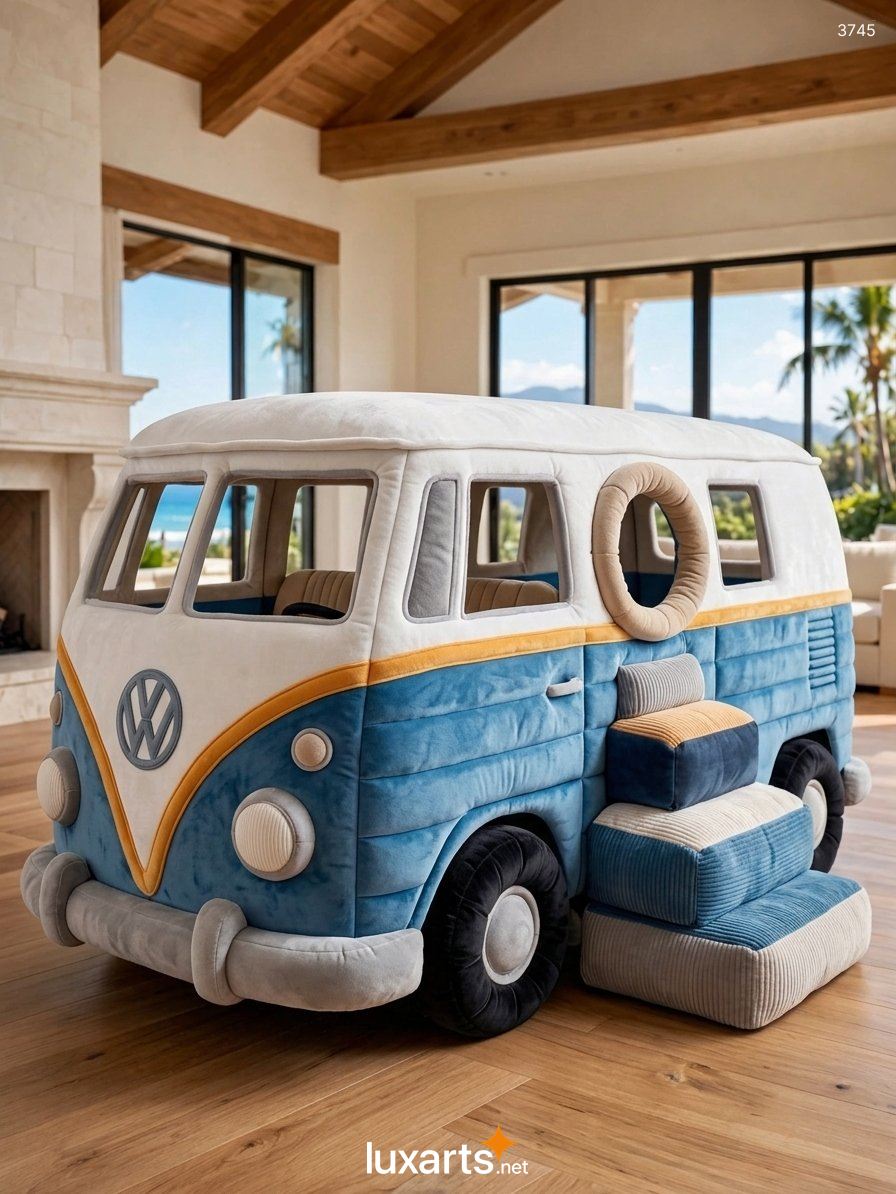
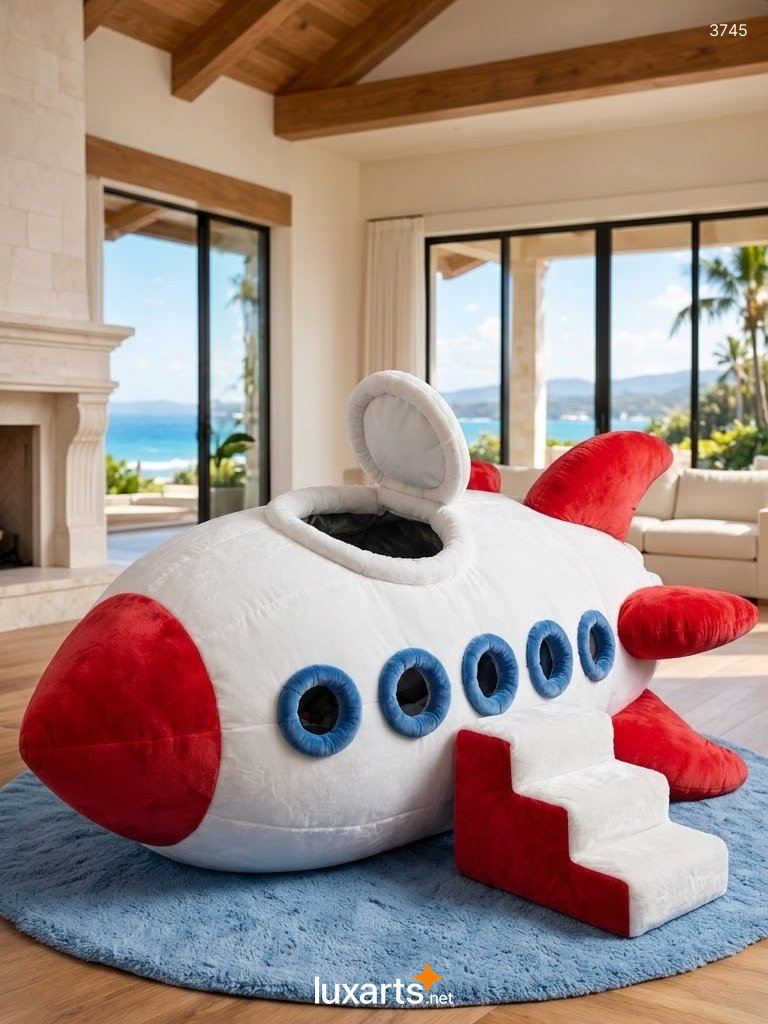
A retro camper van with rounded windows, a red tractor with big black wheels and a puff of cotton smoke, a chrome-trimmed motorcycle, or a small airplane with blue portholes all add motion to the idea of a hideout. The entry tunnel becomes a cab door, a cargo hatch or a cockpit opening. Children who love engines and travel often stay with these designs for years, because the story of the journey never has to end.
Sea Creatures and Ships
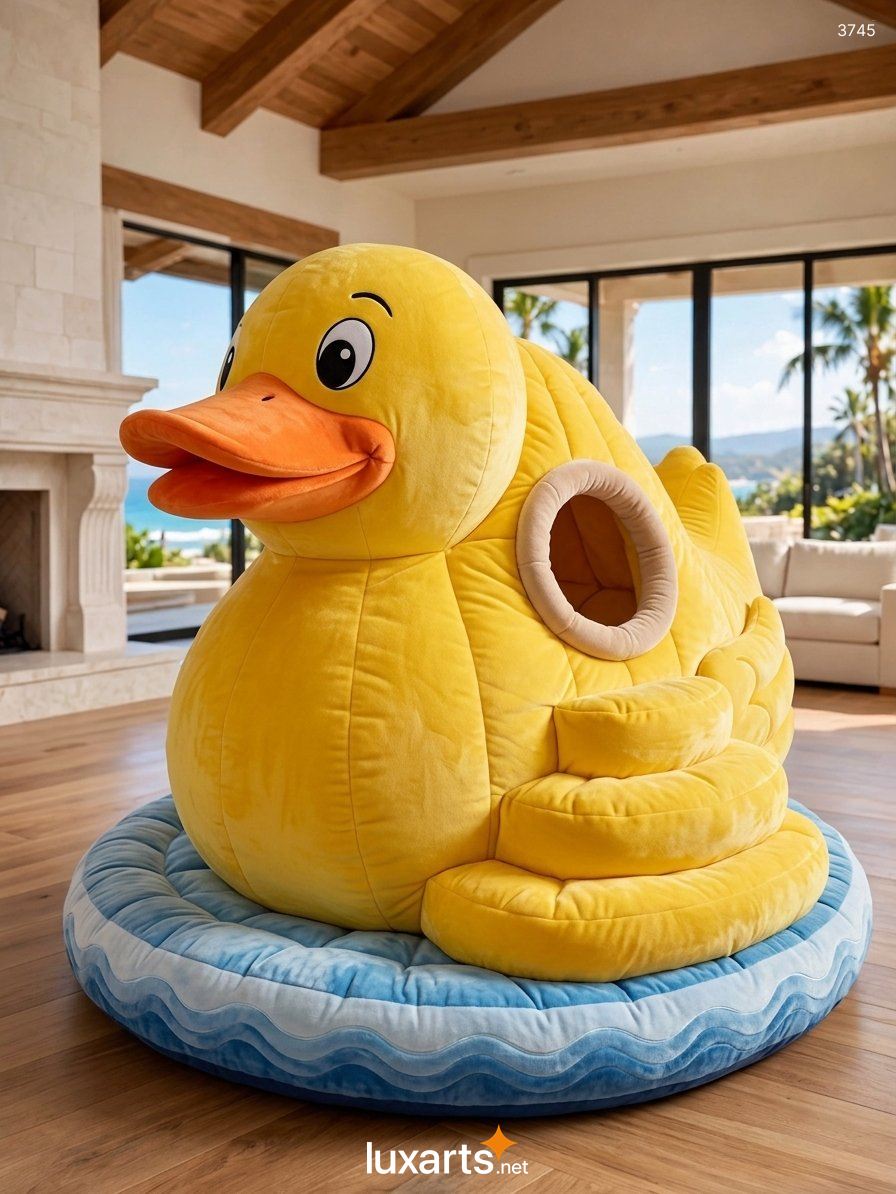
Water themes feel natural for cozy spaces, since many children already associate the sea with calm, rocking motion and wonder. A plush blue whale with a round opening in its side feels like a gentle giant. A rubber duck on a wavy mat brings bath-time cheerfulness into the room. A yellow submarine with portholes and a periscope lets a child plan underwater expeditions, and a pirate ship with a sleeping loft, rope rail and mast gives a whole crew somewhere to sail.
How Children Actually Play in a Nook
It is one thing to look at pictures of these structures and another to watch children use them. Play tends to move through several stages in a single afternoon.
First comes exploration. The child circles the structure, pokes the fabric, climbs the steps and peers through the entry tunnel. Then comes entry, with a few cautious trips in and out to check how it feels. After that, the story begins. The whale becomes a home, the van starts its engine, the ship leaves harbor. Stuffed animals are given seats. Snacks are served. Rules are announced from inside the cave.
Later, the energy shifts. The child settles with a book or a toy, speaks softly to themselves, or simply lies looking at the ceiling. This quiet stage is easy to overlook, but it matters a great deal. Children need unhurried time inside their own thoughts, and a nook gives them a protected place to have it.
Sensory Comfort and Emotional Regulation
Some days are simply too loud for small people. Noise, bright light, crowded rooms and constant requests can leave a child overwhelmed. A soft, enclosed space gives their nervous system a break.
The gentle pressure of padded walls, the muffled sound and the dimmer light all help the body slow down. Many parents notice that a child who comes out of a cave after twenty quiet minutes is calmer and more willing to rejoin the family. This works best when the nook is treated as a refuge and never as a punishment. If a child chooses to go in, that is a healthy way to handle a hard moment, and it is worth encouraging.
For children who are sensitive to sensory input, the contrast between the busy room and the quiet interior can be especially helpful. They learn that they have a place to go when things feel like too much, and that knowledge itself brings comfort.
Reading, Quiet Time and Sleep
A novelty giant plush cave hideout bed works well for reading. A child tucked into the entry tunnel with a picture book and a parent sitting just outside makes a natural story circle. The opening frames the scene like a picture, and the soft walls hold the child gently in place.
The same quality makes bedtime easier. When the bed is a place the child actually wants to be, the evening routine changes tone. A child heading to a whale cave can “swim home” after brushing their teeth. A young pilot can finish a pre-flight check before settling in. A sailor can pull in the anchor and wish the crew goodnight. These small rituals give children a sense of control, and a child who feels in control is more likely to cooperate.
Taller structures with raised sleeping decks suit older children, while ground-level interiors are better for toddlers and preschoolers. Matching the design to the child’s age is the simplest way to keep sleep comfortable and secure.
Siblings, Friends and Sharing the Cave
A hideout rarely stays a solo space for long. Brothers, sisters and visiting friends all want a turn. The tunnel entrance becomes a gate with rules, such as who may enter, what the password is and how many fit inside at once. Children practice negotiation, turn-taking and cooperation almost without noticing.
Larger designs, like a ship or a camper van, can host several children at once, each with a role: captain, cook, lookout, driver. Smaller designs encourage one-on-one play, with a child inviting a single guest into the cave. Both patterns matter, and the nook supports each of them comfortably.
Sleepovers become a bit more magical, too. A row of sleeping bags next to a plush cave, with a flashlight and a few quiet stories, tends to be remembered long after the details of the evening have faded.
Safety Details Worth Checking
A plush structure should be as sensible as it is charming. Families can look at a few practical points when thinking about any design.
- Stable base: A wide base or floor mat keeps the structure steady when a child climbs or leans on it.
- Airflow: A generous entry tunnel and extra openings, such as portholes or windows, keep the interior fresh and let parents see inside.
- Rounded edges: Thick padding around steps, rims and corners reduces bumps.
- Secure details: Decorations like sprinkles, buttons and toppings should be firmly stitched, especially for toddlers.
- Appropriate height: Raised decks belong with older children. Little ones do better with low steps and ground-level interiors.
- Fabric and fill: Skin-friendly fabrics, tight seams and clean, non-toxic padding are worth looking for in any product made for children.
Adult supervision remains important, particularly with the youngest children. A nook offers freedom, but a nearby parent keeps climbing and rough play within safe limits.
Fitting a Play Nook Into the Room
These pieces are large, so the room matters. Round designs like a cone, a cake or a duck want a clear circle of floor around them. Longer designs like a whale, a van or a submarine need space along a wall. A loft-style ship needs generous ceiling height.
Placement near a window gives the nook a bright, cheerful look during the day, while a spot away from direct heat sources keeps the interior comfortable. Soft rugs around the base add another layer of cushioning and help define the play zone.
Style is a personal choice. Some families build an entire themed room around the piece, adding matching bedding and wall art. Others let the nook be the single bold feature in an otherwise calm room. Either approach works, as long as the child has easy access and plenty of space to move.
Keeping the Nook Fresh and Clean
A space children love is a space they use hard. Crumbs, damp socks and sticky fingers are part of the deal. Removable inner covers and spot-cleanable outer fabric make upkeep far easier. A quick vacuum of the interior once a week keeps dust down, and airing out the cave on sunny days helps keep it smelling fresh.
Rotating pillows and blankets also keeps things tidy. A small basket just outside the entry tunnel gives toys and books a home, so the interior stays roomy and inviting rather than turning into a pile.
A Space That Grows Along With the Child
Children outgrow clothes and shoes quickly, yet they often keep loving a good hideout for years. A toddler crawls and naps in it. A preschooler turns it into a shop, a boat or a rocket. A school-age child makes it a reading den, a secret club or a sleepover headquarters. The structure stays the same, but the stories change, and that flexibility is what keeps the nook relevant.
Conclusion
A novelty giant plush cave hideout bed offers something simple and rare: a soft, cozy place that belongs to a child. The entry tunnel turns arrival into a small adventure. The plush walls cushion every tumble and quiet every noise. The themed shape, whether a whale, a cone, a van or a ship, hands the imagination a place to start.
For children, it is a den, a stage and a bed rolled into one. For parents, it is a calm corner that encourages reading, safe physical play and a gentler bedtime. And for the room itself, it brings a bit of storybook charm that stays long after the toys have been put away. When a child crawls through that round doorway and settles into the warm, quiet space beyond, the whole house seems to soften around them.
NOTE: All images in this post are AI-generated and intended solely for inspiration. These are not real products available for sale, and we do not operate any online store or website for purchases.